Whitecap Resources Inc. reported record funds flow and free funds flow for the second quarter of 2026 [1].
The results highlight the company's ability to convert market volatility into liquidity. As energy prices fluctuate, the ability to maintain record cash flows allows the firm to sustain dividends and fund future capital expenditures without increasing debt.
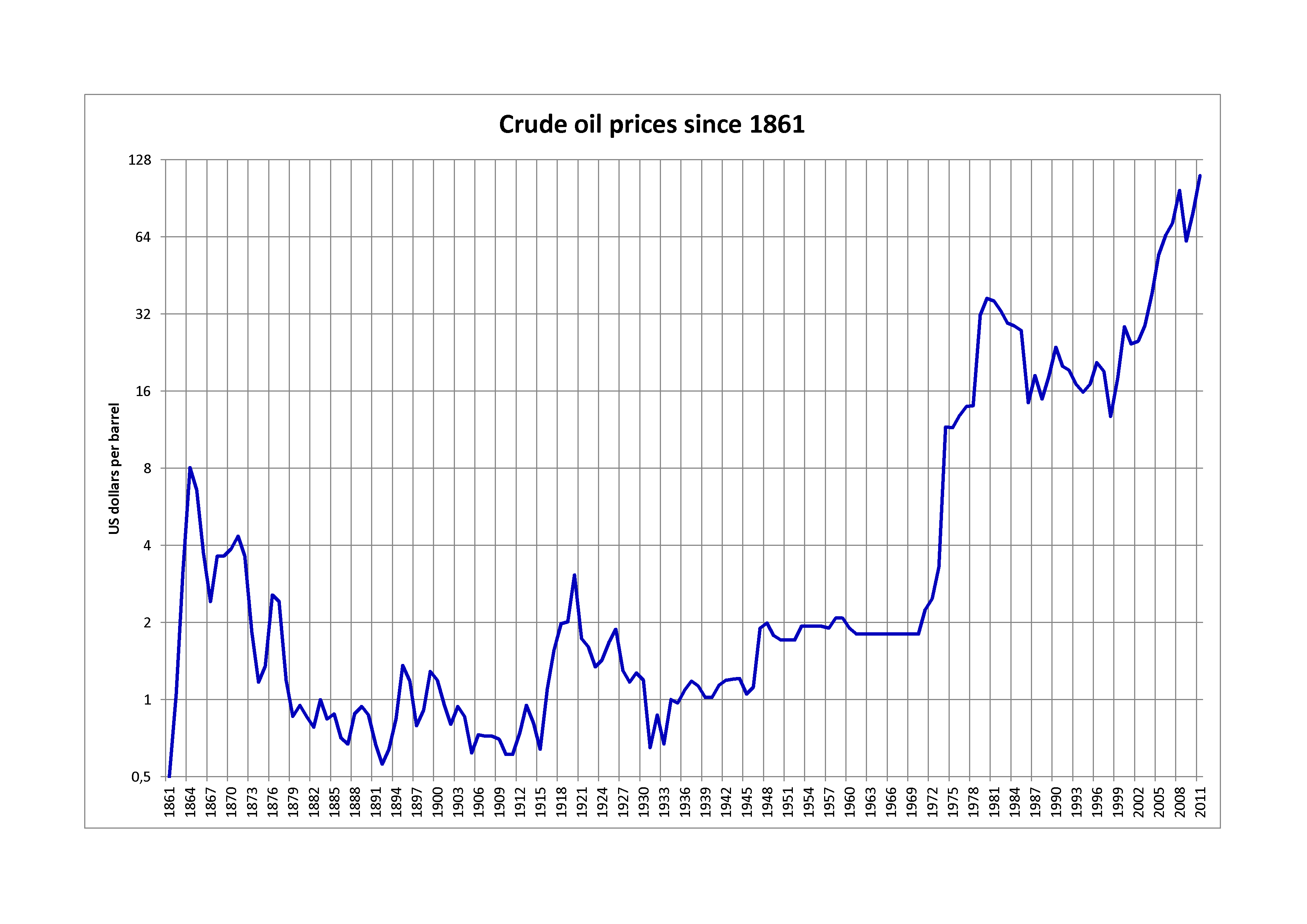
According to financial reports, the record performance was driven primarily by higher prices for crude oil and condensate [1]. The increase in commodity pricing provided a significant lift to the company's bottom line during the three-month period ending in June.
Analysts said that the company's strong performance reflects its strategic focus on maximizing production from its existing assets [2]. By optimizing current infrastructure rather than relying solely on expensive new acquisitions, Whitecap has managed to lower its operational risk while increasing output.
Yahoo Finance said that the company reported record second-quarter funds flow and free funds flow [1]. This metric is critical for energy firms as it represents the actual cash available for distribution after accounting for operating costs, and capital investments.
Seeking Alpha said that Whitecap Resources is well-positioned to capitalize on current market conditions and continue delivering value to shareholders [2]. The firm continues to align its production targets with the prevailing price environment to ensure stability.
Management said that the combination of pricing tailwinds and asset efficiency created a favorable environment for the quarter. The company remains focused on these core operational strengths to maintain its financial trajectory through the remainder of the year.
“Whitecap Resources reported record second-quarter funds flow and free funds flow”
The record Q2 results demonstrate that Whitecap Resources is effectively leveraging a high-price environment to build a cash reserve. By focusing on asset optimization rather than aggressive expansion, the company is reducing its break-even costs, which provides a safety buffer if global oil prices decline in the coming quarters.


