
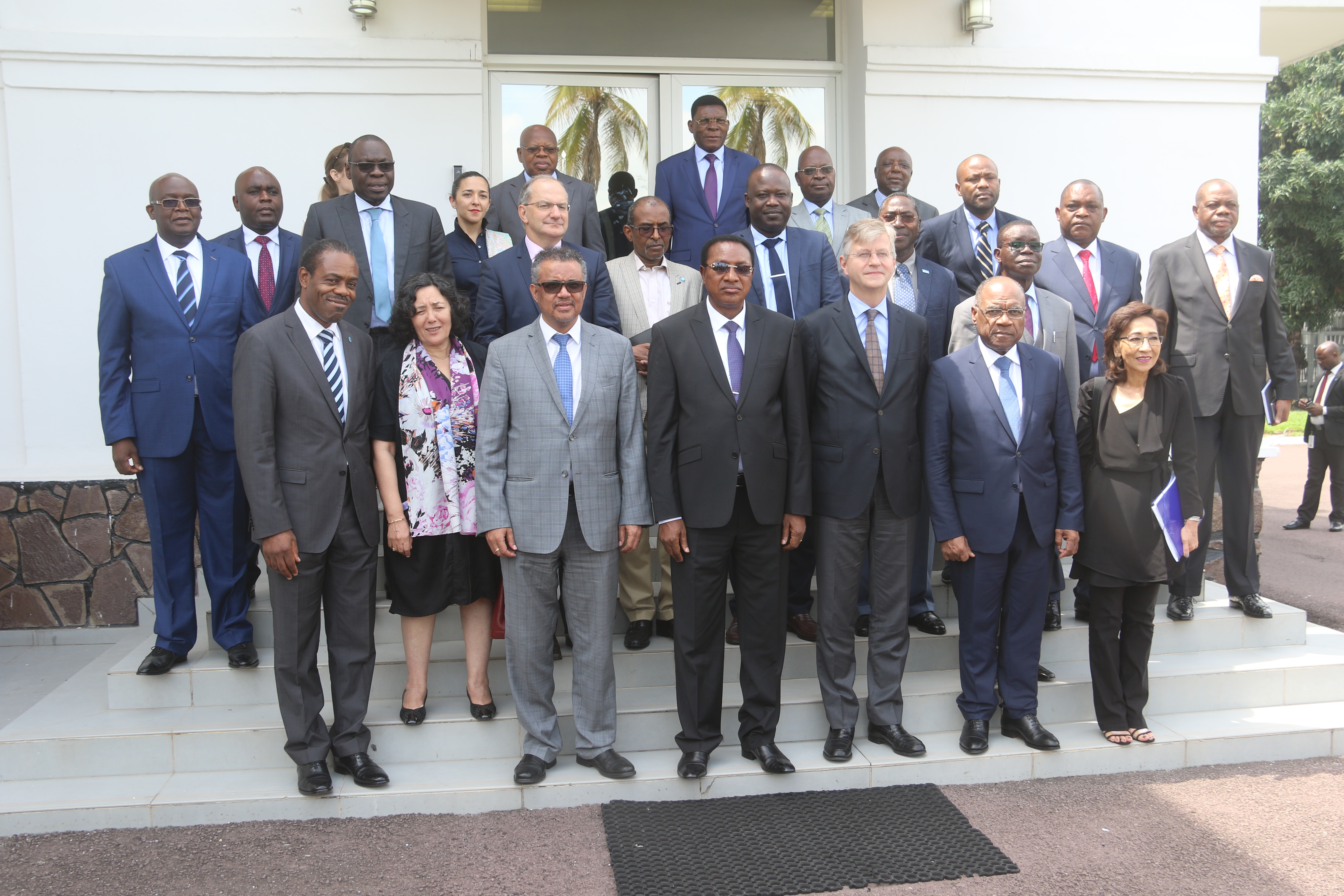
World Health Organization Director-General Tedros Adhanom Ghebreyesus said Monday that an Ebola epidemic is spreading faster than international response efforts can contain it [1].
The situation is critical because delayed case detection and attacks on treatment centers are hindering the ability of health officials to stop the virus from crossing borders. If the outbreak is not contained, neighboring countries face a high risk of widespread transmission [4].
Tedros said the WHO is urgently scaling up operations to address the crisis, but acknowledged that the epidemic is currently outpacing the organization's capabilities [1]. He said that the delay in detecting cases has forced responders into a position where they are "playing catch-up" [3].
The outbreak was officially declared May 15, 2026 [4]. Since then, the virus has taken a significant toll in the Democratic Republic of Congo and surrounding regions. Tedros said there have been 220 suspected deaths linked to the outbreak [2].
While suspected figures are high, the WHO has confirmed a minimum of 10 deaths [4]. The disparity between suspected and confirmed cases often stems from the difficulty of conducting tests in volatile regions where treatment centers have been targeted [5].
Health officials are focusing on intensifying screening at airports and border crossings to prevent the virus from reaching other nations [6]. The WHO continues to mobilize resources to increase the speed of case detection, and provide security for medical personnel in affected zones.
“the epidemic is outpacing us”
The gap between suspected and confirmed deaths indicates a breakdown in the diagnostic pipeline, likely caused by security threats to health workers. When response efforts lag behind the transmission rate, the risk of the outbreak becoming a regional pandemic increases, necessitating more aggressive international intervention and border surveillance.


