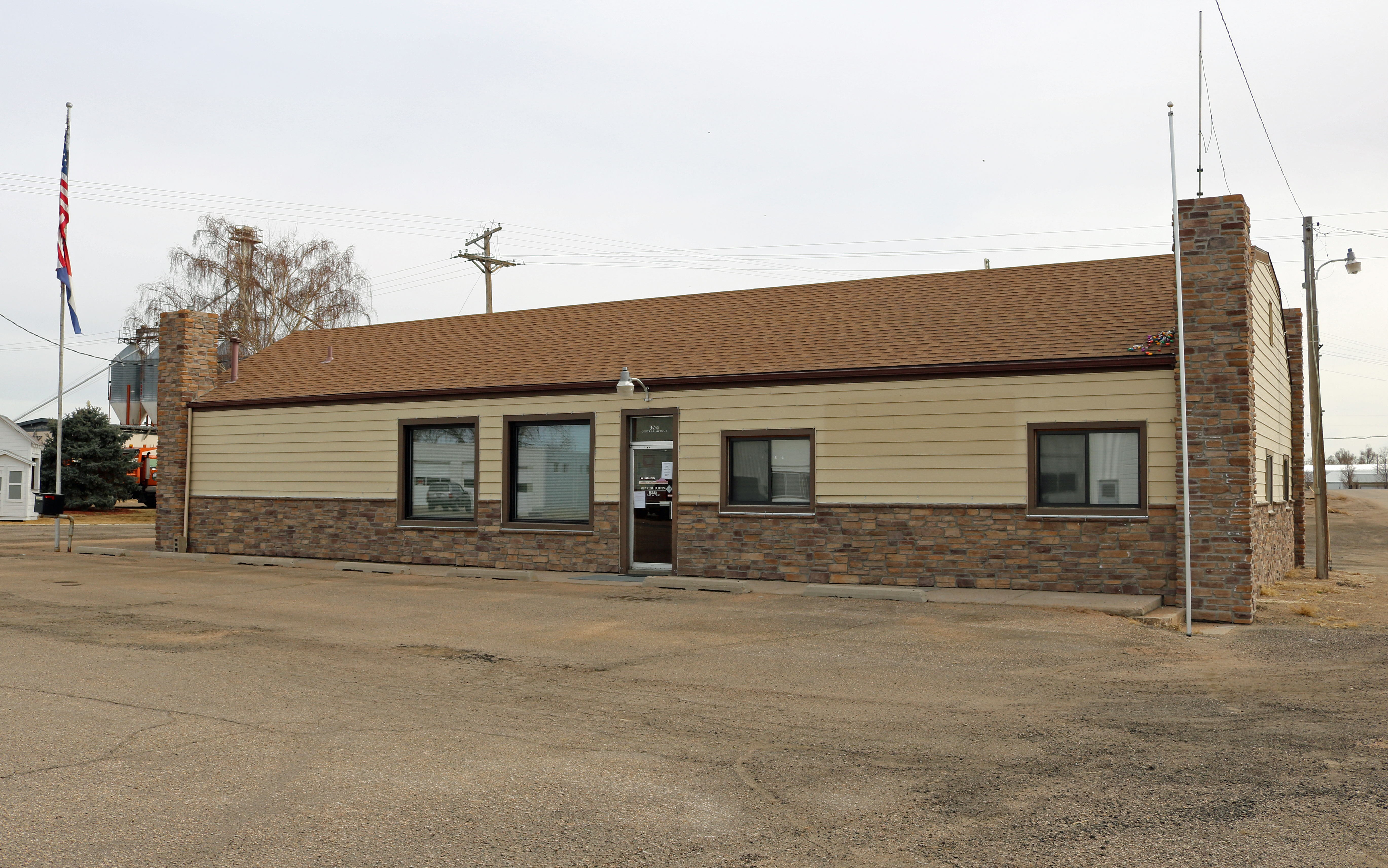
Baseball-sized hail caused extensive damage to vehicles and homes in Wiggins, Colorado, following a severe overnight hailstorm [1, 2].
The event highlights the volatility of regional weather patterns and the immediate economic impact of severe storms on residential infrastructure and private property.
The storm struck the area overnight, producing conditions that allowed for the formation of exceptionally large ice stones [1, 2]. Local reports said that the hail reached a size comparable to baseballs [3], which led to significant destruction across the community.
Residents reported widespread damage to the exteriors of their homes. The force of the impact shattered windows and dented siding, leaving many homeowners to assess the cost of repairs in the aftermath.
Vehicles parked outdoors were particularly vulnerable to the storm. Many cars suffered deep dents and cracked windshields due to the size and velocity of the falling hail [1, 2].
While the storm caused substantial property loss, there were no immediate reports of casualties. The severe thunderstorm conditions that triggered the event are typical of high-intensity weather systems that move through the U.S. plains, though the scale of this specific hail event was notable [1, 2].
Emergency services and local residents have been documenting the scene, with videos and photos showing the scale of the debris and the wreckage left behind in the streets of Wiggins [2, 3].
“Baseball-sized hail caused extensive damage to vehicles and homes”
This event underscores the increasing challenge of managing insurance and infrastructure resilience in regions prone to extreme weather. When hail reaches the size of baseballs, standard residential roofing and automotive glass often fail, leading to high-volume insurance claims and localized economic strain on small communities like Wiggins.