
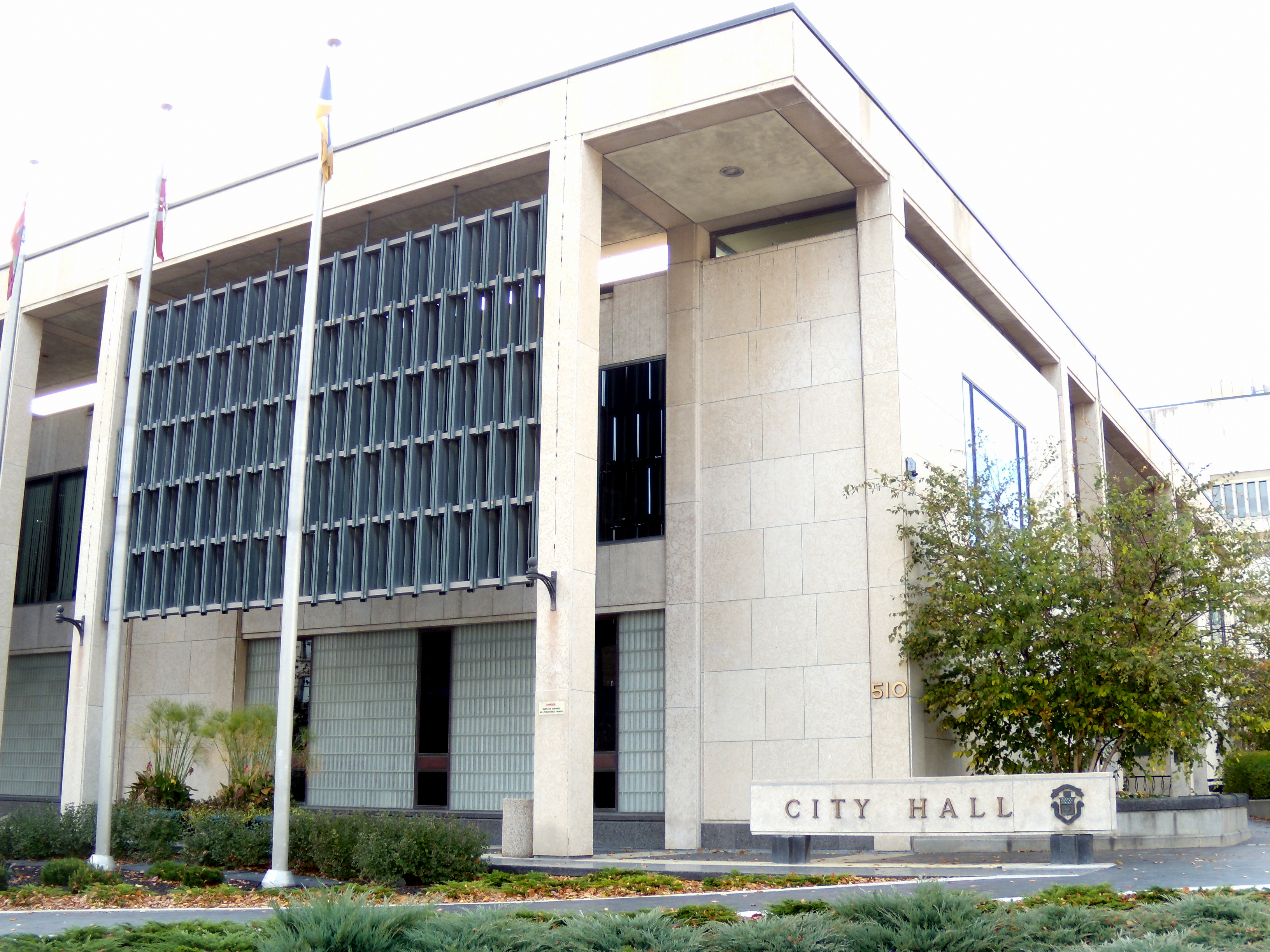
A heat wave swept across Manitoba on Thursday, bringing extreme temperatures to the city of Winnipeg [1, 2].
The sudden shift in weather creates a divide in public response, as the abrupt temperature spike can endanger the city's most vulnerable residents [1, 2].
Many Winnipeggers spent the day outdoors, taking advantage of the sunshine and warm weather [2]. For some, the heat wave provided a welcome break from typical conditions, leading to an increase in outdoor activity across the city [1, 2].
However, the event has also raised significant public health concerns. Observers said that while the sun is enjoyable for many, the intensity of the extreme weather poses a direct threat to those without adequate cooling or medical support [1, 2].
The rapid onset of the heat wave is a primary concern for local advocates. They said that the speed of the temperature increase leaves little time for high-risk individuals to prepare or seek shelter [1, 2].
Local authorities and residents continue to monitor the conditions as the heat wave persists. The focus remains on balancing the public's desire to enjoy the summer weather, and the necessity of protecting those most susceptible to heat-related illness [1, 2].
“A heat wave swept across Manitoba on Thursday, bringing extreme temperatures to the city of Winnipeg.”
This event highlights the growing tension between seasonal weather enjoyment and the public health challenges posed by volatile temperature swings. As extreme weather events become more frequent, the ability of urban infrastructure to protect marginalized populations during sudden heat spikes becomes a critical point of failure for municipal health strategies.


