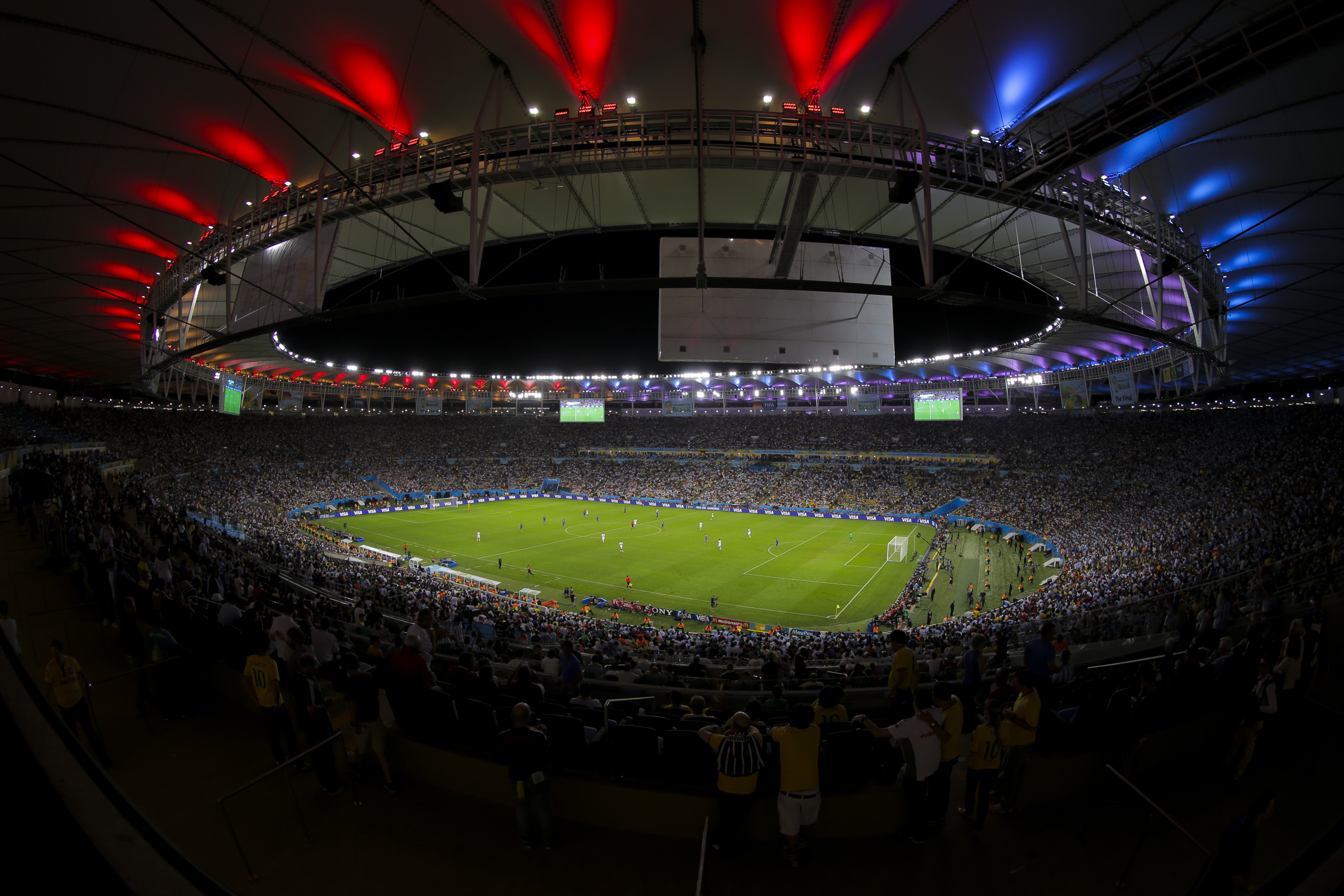
The FIFA World Cup final featured its first-ever halftime show on July 19, 2026 [1], during the championship match between Spain and Argentina.
This event marks a significant shift in the tournament's tradition by incorporating a high-production entertainment spectacle into the world's most-watched sporting event. By introducing a structured halftime performance, FIFA said it aimed to celebrate the tournament's conclusion and engage a global audience beyond the pitch.
The production lasted 11 minutes [2]. The lineup included a variety of international stars, such as Justin Bieber, Madonna, Shakira, and BTS [3]. Burna Boy also performed as part of the celebration [3].
Beyond musical acts, the show featured celebrity appearances. Jason Sudeikis appeared as his character Ted Lasso [3]. Other reports said that Tom Cruise and Post Malone were involved in the festivities [4], though some sources did not include them in the initial performer lists [3].
The spectacle was designed to entertain fans and mark the end of the soccer tournament [5]. The integration of pop culture icons alongside the sporting final represents an effort to maximize the event's commercial and cultural reach on a global scale.
“The first‑ever FIFA World Cup final halftime show featured a star‑studded lineup.”
The introduction of a halftime show to the World Cup final suggests FIFA is adopting a Super Bowl-style entertainment model to increase viewership and sponsorship revenue. By blending global pop stardom with elite athletics, the organization is pivoting toward a 'sportainment' strategy to maintain relevance with younger, digitally connected audiences worldwide.


