
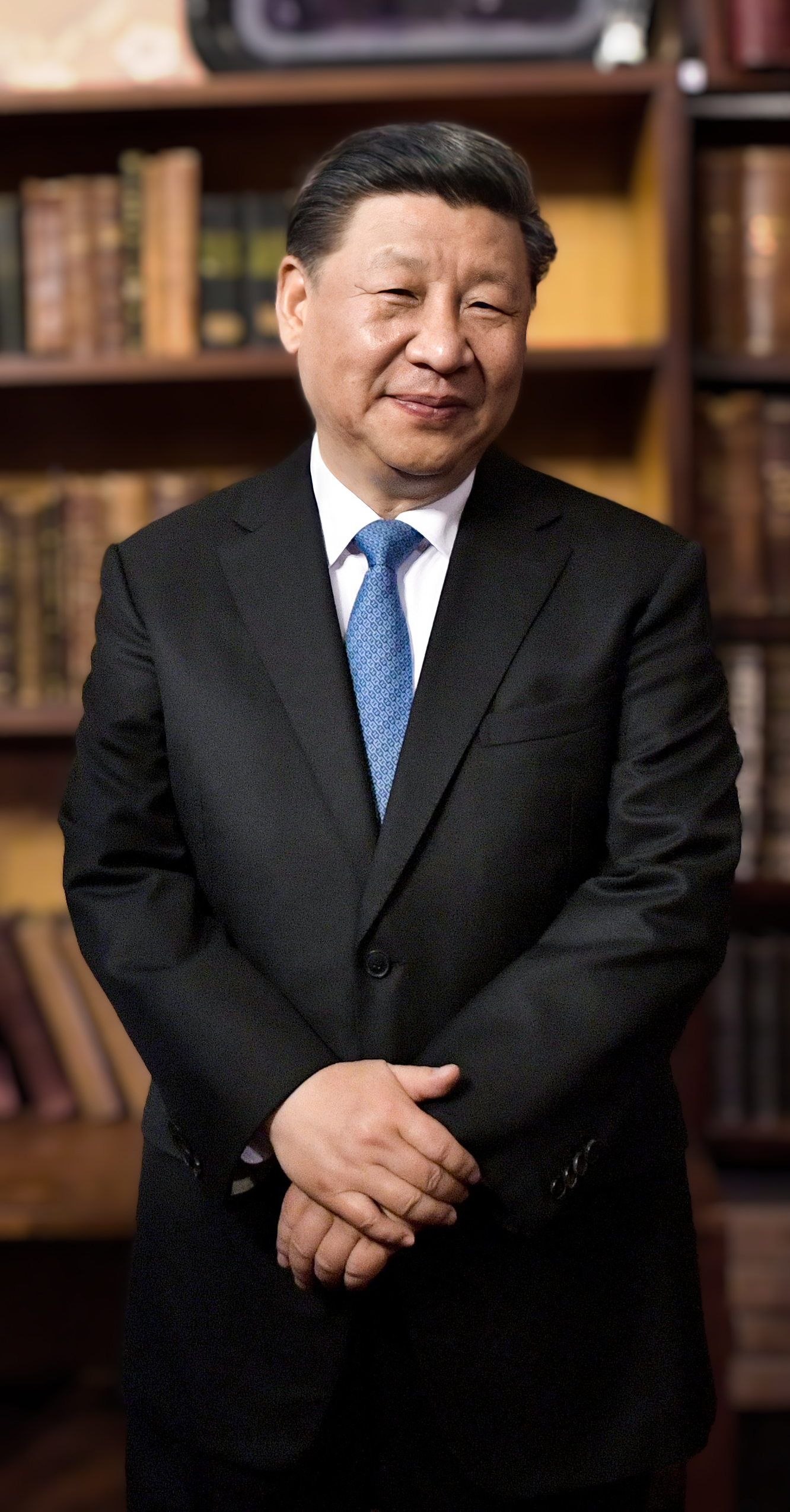
North Korean state media aired intensive coverage of Chinese President Xi Jinping's visit to Pyongyang, describing the summit with Kim Jong Un as a new chapter [1].
The visit marks a significant diplomatic shift, representing the first high-level meeting between the two nations in seven years [1]. By prioritizing this trip as his first overseas schedule of 2026 [1], Xi signals a strategic reinforcement of bilateral ties with the isolated state.
Broadcasters, including Korean Central Television, focused on the arrival and hospitality provided to the Chinese leader. The coverage included footage from the airport, Kim Il-sung Square, and a formal banquet hall [2]. An announcer for Korean Central Television said, "Chinese Communist Party Central Committee General Secretary, President of the People's Republic of China, Comrade Xi Jinping, has arrived in Pyongyang" [2].
To emphasize the importance of the summit, North Korean media utilized a repetitive broadcasting strategy. A specific video segment lasting 35 minutes [1] was aired repeatedly, appearing on screens every two to three hours [1]. This level of saturation is typical for events the regime deems of paramount national importance.
YTN reported that the summit is viewed as an opening of a "new chapter" in North Korea-China relations [1]. The reporting said that the meeting serves as a pivotal moment for both leaders to redefine their partnership in the current geopolitical climate.
The intensive media campaign aims to project an image of stability and mutual support. By looping the footage of the state-visit ceremony and the banquet, the regime underscores the legitimacy and prestige associated with the visit of the Chinese president [2].
“North Korean broadcasters described the summit with Kim Jong Un as opening a "new chapter" in North-Korea-China relations.”
The decision by President Xi to make Pyongyang his first international destination of the year suggests a calculated effort to stabilize the region and solidify a strategic buffer. The heavy rotation of state media coverage indicates that North Korea is leveraging this visit to demonstrate continued diplomatic relevance and support from a global superpower, potentially as a counterweight to international sanctions and pressure.


