Chinese President Xi Jinping hosted Russian President Vladimir Putin for a state visit in Beijing on May 20, 2026 [2].
The meeting comes at a critical juncture for global diplomacy, occurring four days [1] after President Xi welcomed U.S. President Donald Trump to China. The rapid succession of visits suggests a high-stakes diplomatic balancing act by Beijing as it navigates shifting foreign policy from the United States and the ongoing conflict in Ukraine.
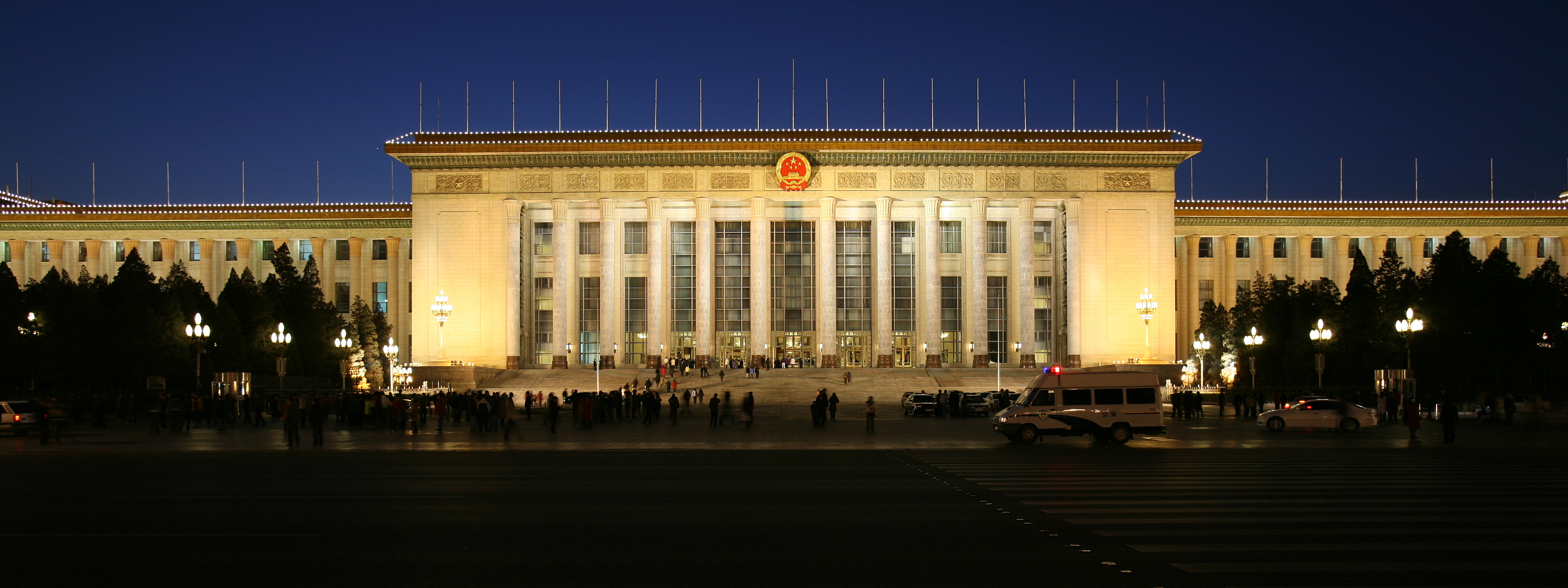
The two leaders met at the Great Hall of the People to coordinate strategic interests [3]. Discussions focused on achieving a strategic convergence between the two nations, which seek to strengthen their partnership in the face of broader global instability [3].
Trade ties remained a central pillar of the agenda. The leaders discussed new trade deals intended to deepen the economic interdependence between Russia and China [3]. This economic alignment serves as a buffer for Russia against Western sanctions, and provides China with secure energy and resource streams.
The visit also served to dispel recent rumors regarding Vladimir Putin's health. While some reports suggested the Russian leader might be ill, his arrival and public meeting with President Xi provided a visible rebuttal to those claims [4].
By hosting both the U.S. and Russian presidents within a single week, President Xi has positioned China as a central mediator and power broker. The strategic alignment between Moscow and Beijing continues to evolve as both nations react to the current U.S. administration's approach to international affairs [3].
“The meeting comes at a critical juncture for global diplomacy.”
The timing of these visits indicates that China is leveraging its relationship with both the U.S. and Russia to maximize its geopolitical influence. By maintaining a strategic partnership with Putin while simultaneously engaging with the Trump administration, Beijing is attempting to hedge its bets and ensure stability for its trade interests regardless of the outcome of the Ukraine war or shifts in American foreign policy.


