
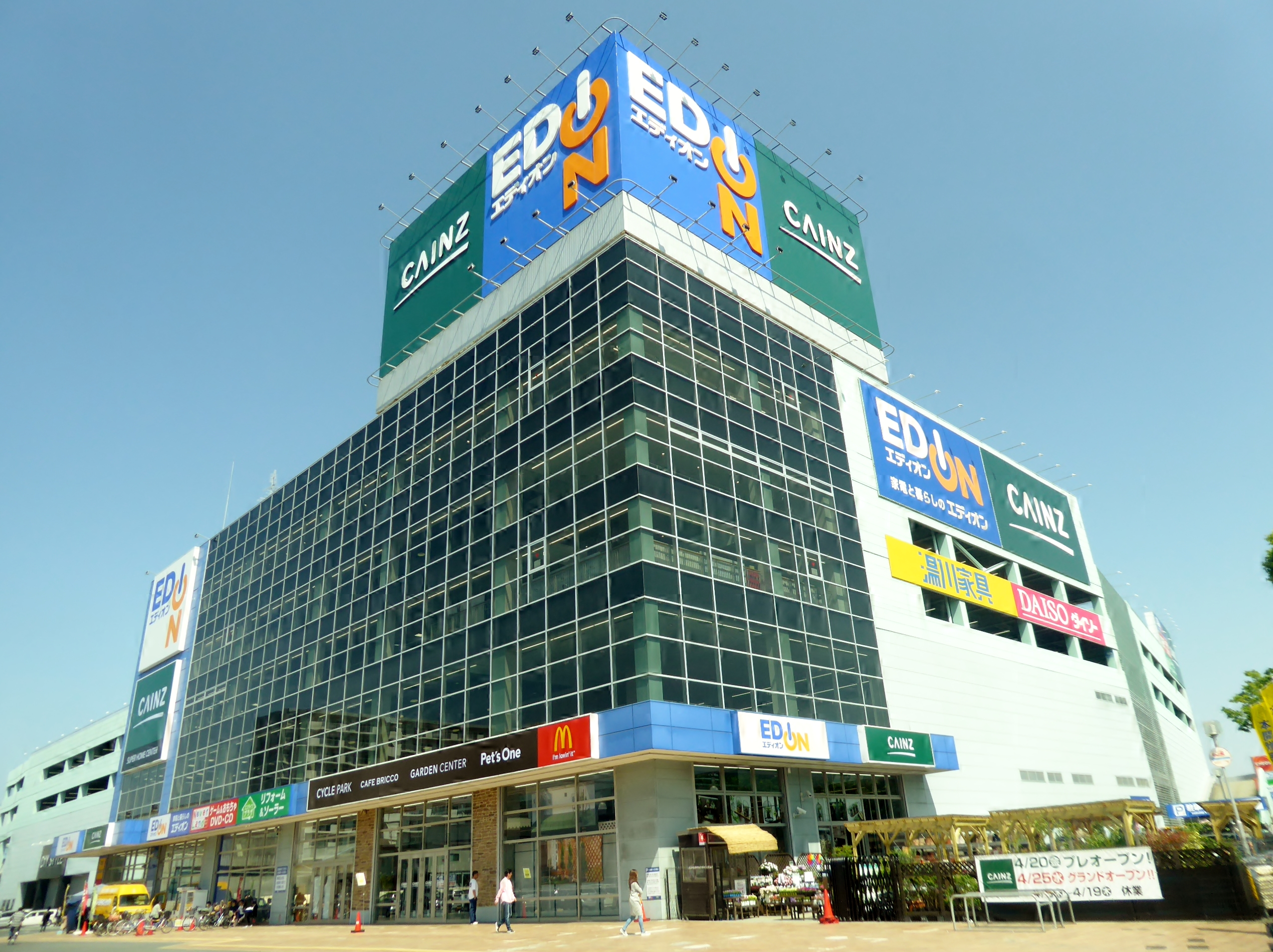
Yamada Holdings and Edion confirmed they are considering a business integration that would create one of Japan's largest electronics retail groups [1].
This potential merger represents a massive consolidation of the Japanese consumer electronics market. By combining resources, the two companies aim to secure a dominant industry position and create a "super giant group" capable of competing more effectively in a challenging retail landscape [1].
In a joint statement, the companies said, "It is a fact that we are considering a business integration, but there are no specific matters decided at this time. We plan to resolve this at tomorrow's board of directors meeting" [1].
The scale of the combined entity would be significant. Yamada Holdings currently reports annual sales of 1.6918 trillion yen [1], while Edion reports 7,937 billion yen [1]. A successful merger would result in a combined estimated annual revenue of approximately 2.5 trillion yen [1].
Retail footprints would also expand. Yamada Holdings operates 928 stores [1]. Edion maintains 1,180 stores, a figure that includes its franchise network [1].
For comparison, other major players in the sector operate at a smaller scale than the proposed combined entity. Nojima, another prominent competitor, reports sales of 9,828 billion yen [1]. The combined Yamada-Edion group would dwarf this figure, fundamentally altering the competitive balance of the domestic market.
The final decision on whether to proceed with the merger is expected during the board meetings scheduled for June 6 [1].
“We plan to resolve this at tomorrow's board of directors meeting.”
The potential merger of Yamada Holdings and Edion signals a shift toward extreme consolidation in the Japanese electronics sector. As e-commerce continues to disrupt traditional brick-and-mortar retail, creating a behemoth with 2.5 trillion yen in sales allows the companies to achieve economies of scale and greater bargaining power with suppliers. If approved, this move would likely force smaller competitors to either find new niche markets or seek their own strategic partnerships to survive.

'%2F%3E%0A%20%20%20%20%3Crect%20width%3D'1600'%20height%3D'900'%20fill%3D'url(%23v)'%2F%3E%0A%20%20%20%20%3Cg%20opacity%3D'0.08'%20fill%3D'%23ffffff'%3E%0A%20%20%20%20%20%20%3Ccircle%20cx%3D'1420'%20cy%3D'180'%20r%3D'220'%2F%3E%0A%20%20%20%20%20%20%3Ccircle%20cx%3D'1500'%20cy%3D'760'%20r%3D'120'%2F%3E%0A%20%20%20%20%3C%2Fg%3E%0A%20%20%20%20%3Cline%20x1%3D'80'%20y1%3D'172'%20x2%3D'220'%20y2%3D'172'%20stroke%3D'%23ffffff'%20stroke-width%3D'3'%20stroke-opacity%3D'0.6'%2F%3E%0A%20%20%20%20%3Ctext%20x%3D'80'%20y%3D'140'%20font-family%3D'Inter%2C%20-apple-system%2C%20Helvetica%2C%20sans-serif'%20font-weight%3D'700'%20font-size%3D'28'%20fill%3D'%23ffffff'%20letter-spacing%3D'6'%3EHANNA%20%C2%B7%20NEWS%3C%2Ftext%3E%0A%20%20%20%20%3Ctext%20x%3D'80'%20y%3D'230'%20font-family%3D'Inter%2C%20-apple-system%2C%20Helvetica%2C%20sans-serif'%20font-weight%3D'600'%20font-size%3D'40'%20fill%3D'%23ffffffb3'%20letter-spacing%3D'4'%3EWORLD%3C%2Ftext%3E%0A%20%20%20%20%3Ctext%20x%3D'80'%20y%3D'622'%20font-family%3D'Playfair%20Display%2C%20Georgia%2C%20serif'%20font-weight%3D'800'%20font-size%3D'86'%20fill%3D'%23ffffff'%20letter-spacing%3D'-1'%3ECrane%20overturns%20at%20Jewar%3C%2Ftext%3E%3Ctext%20x%3D'80'%20y%3D'721'%20font-family%3D'Playfair%20Display%2C%20Georgia%2C%20serif'%20font-weight%3D'800'%20font-size%3D'86'%20fill%3D'%23ffffff'%20letter-spacing%3D'-1'%3EAirport%20flyover%20site%20in%3C%2Ftext%3E%3Ctext%20x%3D'80'%20y%3D'820'%20font-family%3D'Playfair%20Display%2C%20Georgia%2C%20serif'%20font-weight%3D'800'%20font-size%3D'86'%20fill%3D'%23ffffff'%20letter-spacing%3D'-1'%3EFaridabad%3C%2Ftext%3E%0A%20%20%20%20%3Ctext%20x%3D'80'%20y%3D'870'%20font-family%3D'Inter%2C%20-apple-system%2C%20Helvetica%2C%20sans-serif'%20font-weight%3D'500'%20font-size%3D'22'%20fill%3D'%23ffffff66'%20letter-spacing%3D'2'%3Enews.hanna-ai.com%3C%2Ftext%3E%0A%20%20%3C%2Fsvg%3E)

