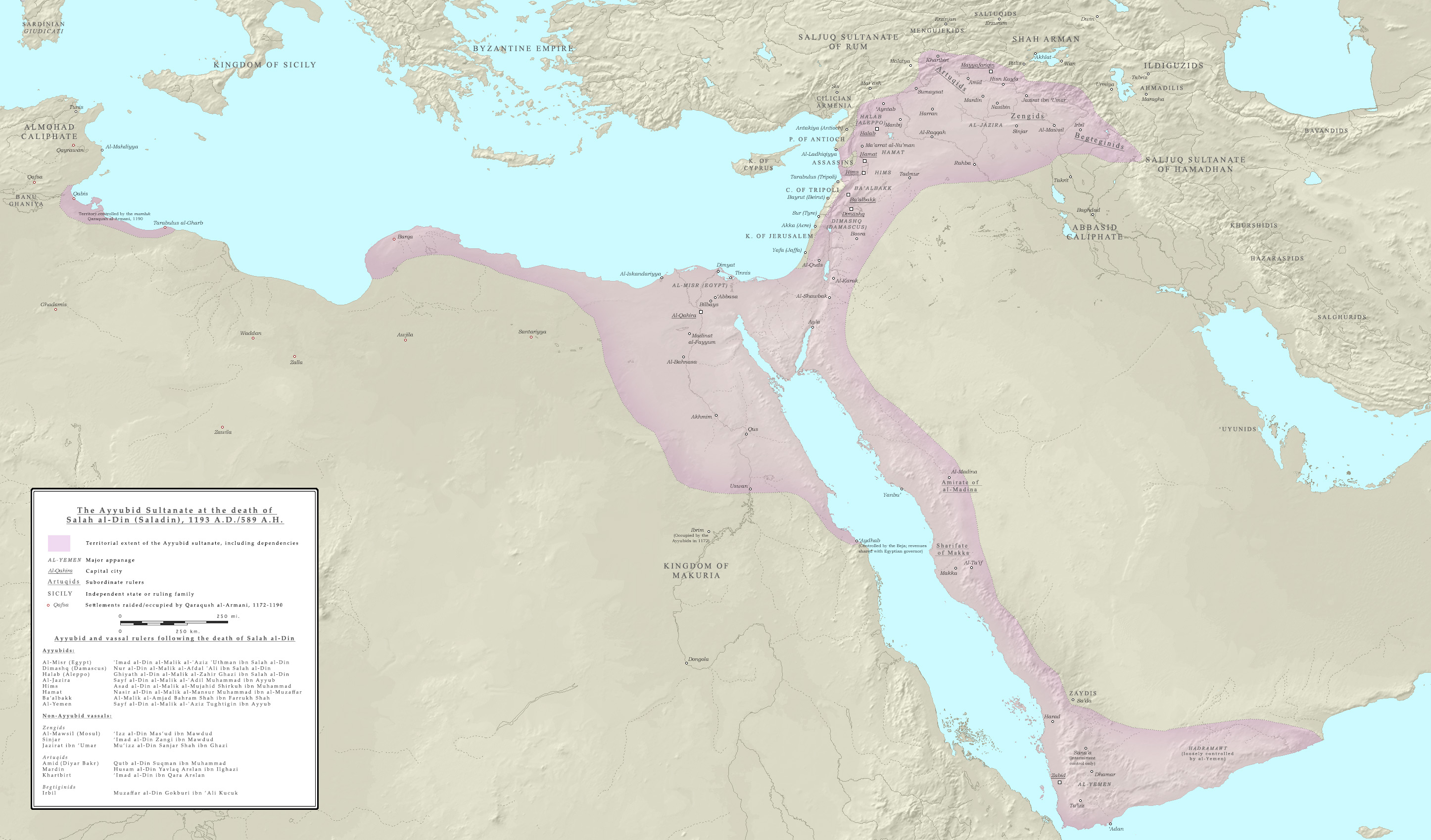
Historian Yusuf Zidan faced questions regarding his sharp criticism of Saladin during a recent interview on Sky News Arabia [1].
The discussion centers on whether Zidan's analysis of Salah al-Din al-Ayyubi remains within the bounds of academic inquiry or crosses into personal grievance. Because Saladin remains a towering figure of prestige in the Arab and Islamic worlds, challenging his legacy often sparks intense public and scholarly debate.
During the segment, host Dr. Suleiman Al-Hitlan asked Zidan whether he holds a personal vendetta against the historical leader [1]. The conversation sought to determine if the historian's critiques exceed the standards of legitimate historical analysis [1].
Zidan has previously challenged the traditional narrative surrounding the Ayyubid ruler. This approach often contrasts with the idealized image of Saladin as a flawless liberator of Jerusalem. The dialogue on the Sky News Arabia platform highlights the tension between traditional historical reverence and modern critical historiography.
While the interview focused on the nature of Zidan's critique, it also touched upon the broader implications of how historical figures are remembered. The exchange underscores a growing trend of revisiting celebrated figures through a more skeptical lens to uncover complexities often omitted from nationalistic narratives [1].
“Whether Zidan's criticism of Saladin goes beyond acceptable historical analysis.”
This debate reflects a wider shift in Middle Eastern intellectual circles, where scholars are increasingly questioning 'sacred' historical narratives. By challenging the image of Saladin, Zidan is not merely debating facts but is contesting the cultural identity and moral archetypes that these figures represent in the modern era.


