
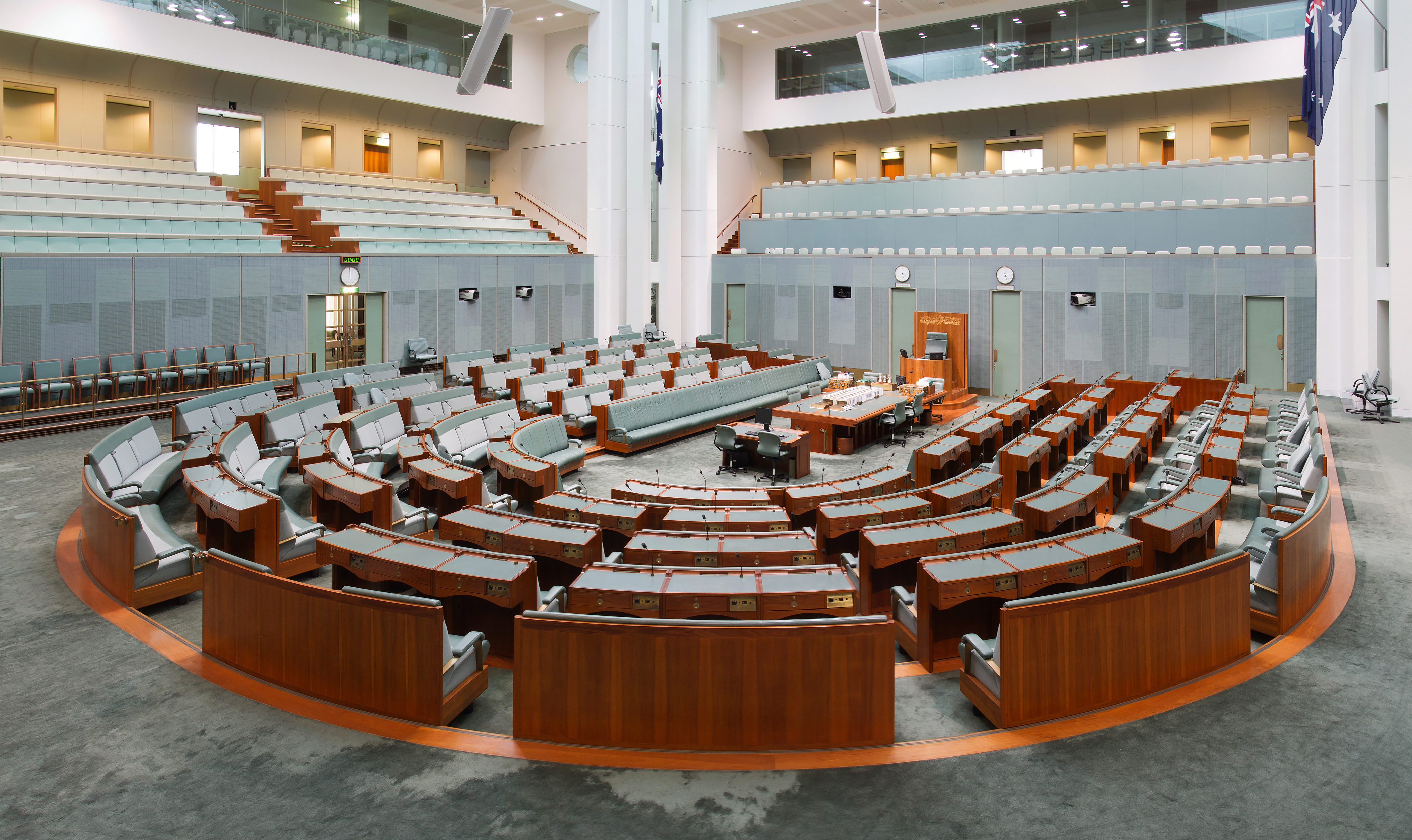
Australian Prime Minister Anthony Albanese is facing mounting public and political pressure following a federal budget overhaul of housing taxes.
The changes target negative gearing and the capital gains tax discount to address the nation's housing affordability crisis. These measures represent a significant shift in fiscal policy that attempts to cool a volatile real estate market while balancing the interests of investors, and first-time buyers.
The federal budget was announced on May 12, 2026 [2]. The reforms are intended to reduce the tax advantages that currently drive investor demand, which some analysts said is expected to knock some heat out of the housing market [3]. However, the proposal has triggered a sharp reaction from various sectors of the economy.
Critics argue that the tax changes fail to address the fundamental issue of housing supply and instead penalize investors. This sentiment has extended to the general public, where some citizens have lashed out at the Prime Minister's approach [4]. The tension is further compounded by a perceived gap between government rhetoric and tangible results.
On social media, Albanese said the government created 45 new homes [1]. This specific figure has become a point of contention for critics who argue the number is insufficient to alleviate the broader crisis. The government is now navigating a narrow path as it attempts to maintain the support of the startup and investor communities while pursuing its affordability goals [5].
As the administration moves forward, the deadlock in housing talks continues. The Prime Minister is attempting to find a way to break the impasse and implement the budget measures despite the growing political cost [2].
“The reforms are expected to knock some heat out of Australia’s housing market.”
The backlash against the Albanese government highlights the political volatility of reforming property tax in Australia. By targeting negative gearing and capital gains, the government is challenging a deeply entrenched system of investor incentives. The friction between the goal of cooling the market and the need to maintain investor confidence suggests that the government may face significant legislative hurdles or be forced to introduce concessions to avoid further political erosion.


'%2F%3E%0A%20%20%20%20%3Crect%20width%3D'1600'%20height%3D'900'%20fill%3D'url(%23v)'%2F%3E%0A%20%20%20%20%3Cg%20opacity%3D'0.08'%20fill%3D'%23ffffff'%3E%0A%20%20%20%20%20%20%3Ccircle%20cx%3D'1420'%20cy%3D'180'%20r%3D'220'%2F%3E%0A%20%20%20%20%20%20%3Ccircle%20cx%3D'1500'%20cy%3D'760'%20r%3D'120'%2F%3E%0A%20%20%20%20%3C%2Fg%3E%0A%20%20%20%20%3Cline%20x1%3D'80'%20y1%3D'172'%20x2%3D'220'%20y2%3D'172'%20stroke%3D'%23ffffff'%20stroke-width%3D'3'%20stroke-opacity%3D'0.6'%2F%3E%0A%20%20%20%20%3Ctext%20x%3D'80'%20y%3D'140'%20font-family%3D'Inter%2C%20-apple-system%2C%20Helvetica%2C%20sans-serif'%20font-weight%3D'700'%20font-size%3D'28'%20fill%3D'%23ffffff'%20letter-spacing%3D'6'%3EHANNA%20%C2%B7%20NEWS%3C%2Ftext%3E%0A%20%20%20%20%3Ctext%20x%3D'80'%20y%3D'230'%20font-family%3D'Inter%2C%20-apple-system%2C%20Helvetica%2C%20sans-serif'%20font-weight%3D'600'%20font-size%3D'40'%20fill%3D'%23ffffffb3'%20letter-spacing%3D'4'%3EBUSINESS%3C%2Ftext%3E%0A%20%20%20%20%3Ctext%20x%3D'80'%20y%3D'694'%20font-family%3D'Playfair%20Display%2C%20Georgia%2C%20serif'%20font-weight%3D'800'%20font-size%3D'110'%20fill%3D'%23ffffff'%20letter-spacing%3D'-1'%3EUS%20and%20Israeli%20Jets%20Strike%3C%2Ftext%3E%3Ctext%20x%3D'80'%20y%3D'820'%20font-family%3D'Playfair%20Display%2C%20Georgia%2C%20serif'%20font-weight%3D'800'%20font-size%3D'110'%20fill%3D'%23ffffff'%20letter-spacing%3D'-1'%3EIranian%20Vessels%3C%2Ftext%3E%0A%20%20%20%20%3Ctext%20x%3D'80'%20y%3D'870'%20font-family%3D'Inter%2C%20-apple-system%2C%20Helvetica%2C%20sans-serif'%20font-weight%3D'500'%20font-size%3D'22'%20fill%3D'%23ffffff66'%20letter-spacing%3D'2'%3Enews.hanna-ai.com%3C%2Ftext%3E%0A%20%20%3C%2Fsvg%3E)