
New Democratic Party (NDP) MLAs are demanding that United Conservative Party (UCP) legislators publicly state whether they support Alberta separating from Canada.
The dispute intensifies as the province prepares for a referendum in October 2026 [2] to determine if Albertans wish to remain part of the country. The outcome of the vote could fundamentally alter Canada's geopolitical and economic landscape.
An unnamed political analyst said that asking whether UCP MLAs are separatists is a fair question [1]. This pressure follows a series of inquiries sent to all 47 UCP MLAs [2] regarding their intended vote in the fall referendum.
While some members of the government have provided clarity, others have not. All of Alberta's cabinet ministers individually backed Premier Danielle Smith's support for the pro-Canada side [2]. However, many other UCP MLAs have remained silent when asked for their position.
Internal party dynamics suggest a potential divide between the leadership and the broader membership. UCP president Rob Smith raised questions about the party's identity in a recent communication, asking, "If a majority of the UCP members vote for separation, wouldn't that make the UCP a separatist party?" [3]
This tension highlights a contradiction within the governing party. While the executive branch and cabinet ministers have aligned with the pro-Canada position [2], the party president's comments suggest that separatist leanings may be prevalent among the general membership [3].
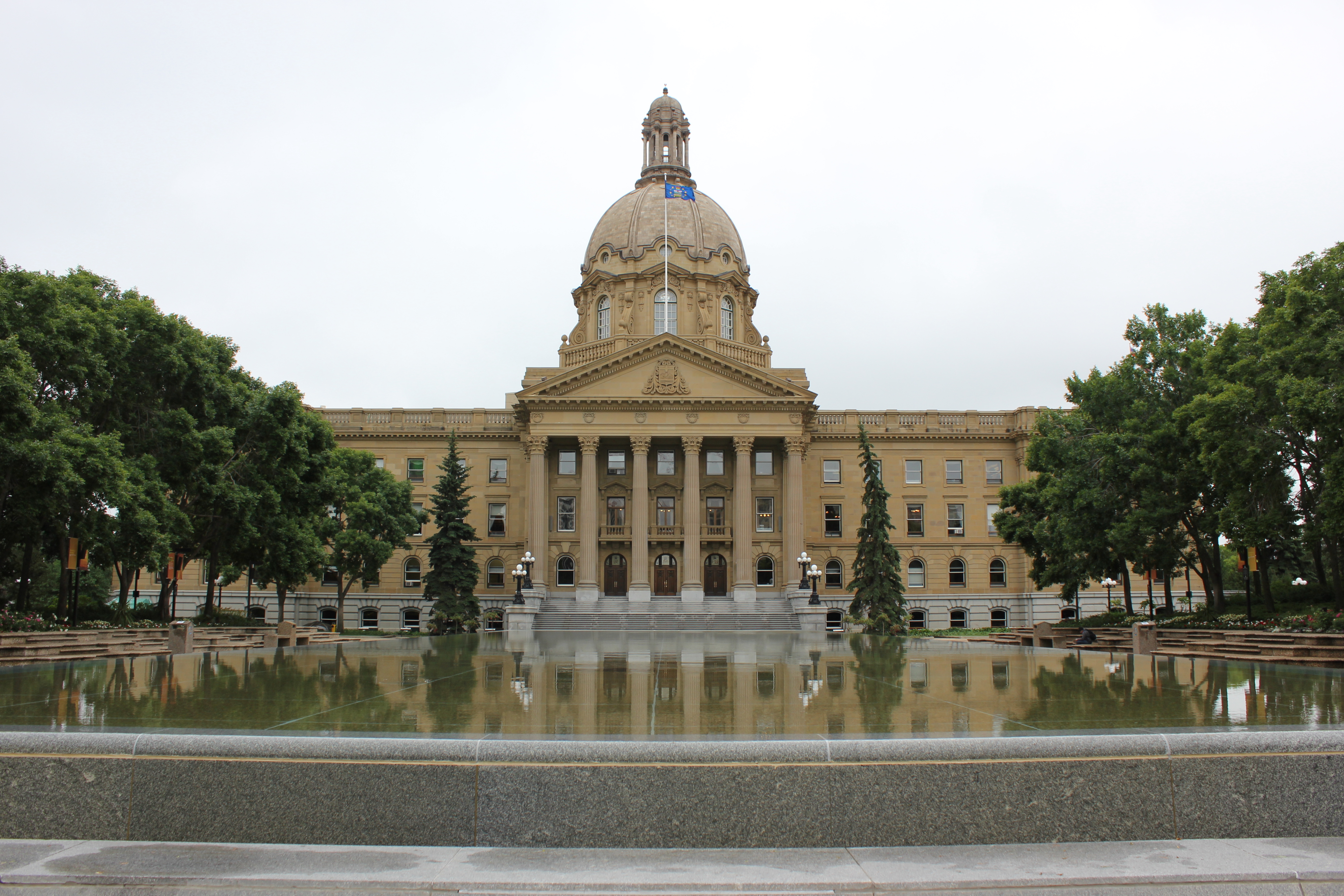
The NDP has used this lack of uniformity to argue that the public deserves to know the true intentions of their representatives before the October vote [2]. The legislative debate in Edmonton continues to center on whether the UCP is a unified pro-Canada entity, or a coalition with significant separatist sympathies.
“"Are UCP MLAs separatists or not is a fair question."”
The friction between the UCP's cabinet and its broader membership indicates a strategic struggle to balance institutional loyalty to Canada with a grassroots base that may favor autonomy. If a significant portion of the 47 UCP MLAs [2] break from the Premier's pro-Canada stance during the October 2026 referendum [2], it could signal a shift in the party's ideological core and create a governance crisis within the provincial legislature.


