'%2F%3E%0A%20%20%20%20%3Crect%20width%3D'1600'%20height%3D'900'%20fill%3D'url(%23v)'%2F%3E%0A%20%20%20%20%3Cg%20opacity%3D'0.08'%20fill%3D'%23ffffff'%3E%0A%20%20%20%20%20%20%3Ccircle%20cx%3D'1420'%20cy%3D'180'%20r%3D'220'%2F%3E%0A%20%20%20%20%20%20%3Ccircle%20cx%3D'1500'%20cy%3D'760'%20r%3D'120'%2F%3E%0A%20%20%20%20%3C%2Fg%3E%0A%20%20%20%20%3Cline%20x1%3D'80'%20y1%3D'172'%20x2%3D'220'%20y2%3D'172'%20stroke%3D'%23ffffff'%20stroke-width%3D'3'%20stroke-opacity%3D'0.6'%2F%3E%0A%20%20%20%20%3Ctext%20x%3D'80'%20y%3D'140'%20font-family%3D'Inter%2C%20-apple-system%2C%20Helvetica%2C%20sans-serif'%20font-weight%3D'700'%20font-size%3D'28'%20fill%3D'%23ffffff'%20letter-spacing%3D'6'%3EHANNA%20%C2%B7%20NEWS%3C%2Ftext%3E%0A%20%20%20%20%3Ctext%20x%3D'80'%20y%3D'230'%20font-family%3D'Inter%2C%20-apple-system%2C%20Helvetica%2C%20sans-serif'%20font-weight%3D'600'%20font-size%3D'40'%20fill%3D'%23ffffffb3'%20letter-spacing%3D'4'%3ESCIENCE%3C%2Ftext%3E%0A%20%20%20%20%3Ctext%20x%3D'80'%20y%3D'622'%20font-family%3D'Playfair%20Display%2C%20Georgia%2C%20serif'%20font-weight%3D'800'%20font-size%3D'86'%20fill%3D'%23ffffff'%20letter-spacing%3D'-1'%3EProf.%20Alim-Louis%20Benabid%3C%2Ftext%3E%3Ctext%20x%3D'80'%20y%3D'721'%20font-family%3D'Playfair%20Display%2C%20Georgia%2C%20serif'%20font-weight%3D'800'%20font-size%3D'86'%20fill%3D'%23ffffff'%20letter-spacing%3D'-1'%3ERecounts%20Discovery%20of%20Deep%3C%2Ftext%3E%3Ctext%20x%3D'80'%20y%3D'820'%20font-family%3D'Playfair%20Display%2C%20Georgia%2C%20serif'%20font-weight%3D'800'%20font-size%3D'86'%20fill%3D'%23ffffff'%20letter-spacing%3D'-1'%3EBrain%20Stimulation%3C%2Ftext%3E%0A%20%20%20%20%3Ctext%20x%3D'80'%20y%3D'870'%20font-family%3D'Inter%2C%20-apple-system%2C%20Helvetica%2C%20sans-serif'%20font-weight%3D'500'%20font-size%3D'22'%20fill%3D'%23ffffff66'%20letter-spacing%3D'2'%3Enews.hanna-ai.com%3C%2Ftext%3E%0A%20%20%3C%2Fsvg%3E)
Prof. Alim-Louis Benabid described the accidental discovery of Deep Brain Stimulation (DBS) during a recent appearance on the STEIN Fireside Podcast.
The revelation explains the origin of a critical neurological intervention used to treat tremors and Parkinson's disease. By identifying the specific stimulation frequencies that can neutralize involuntary movements, Benabid shifted the approach to treating movement disorders.
Benabid said the breakthrough occurred in an operating room while he was testing various stimulation frequencies. During the procedure, he observed a patient's tremor abruptly stop as a result of the electrical stimulation. This real-time discovery revealed the therapeutic potential of targeting deep brain structures to control motor dysfunction.
The goal of the initial work was to find an effective method to control Parkinsonian tremors. Benabid said the ability to stop the tremor by adjusting the frequency of the stimulation provided the foundation for what would become a standard surgical treatment for millions of patients.
The discussion took place during Season 1, Episode 13 [1] of the podcast series. Benabid said the transition from observation to therapeutic application occurred after seeing the immediate effect on the patient in the surgical setting.
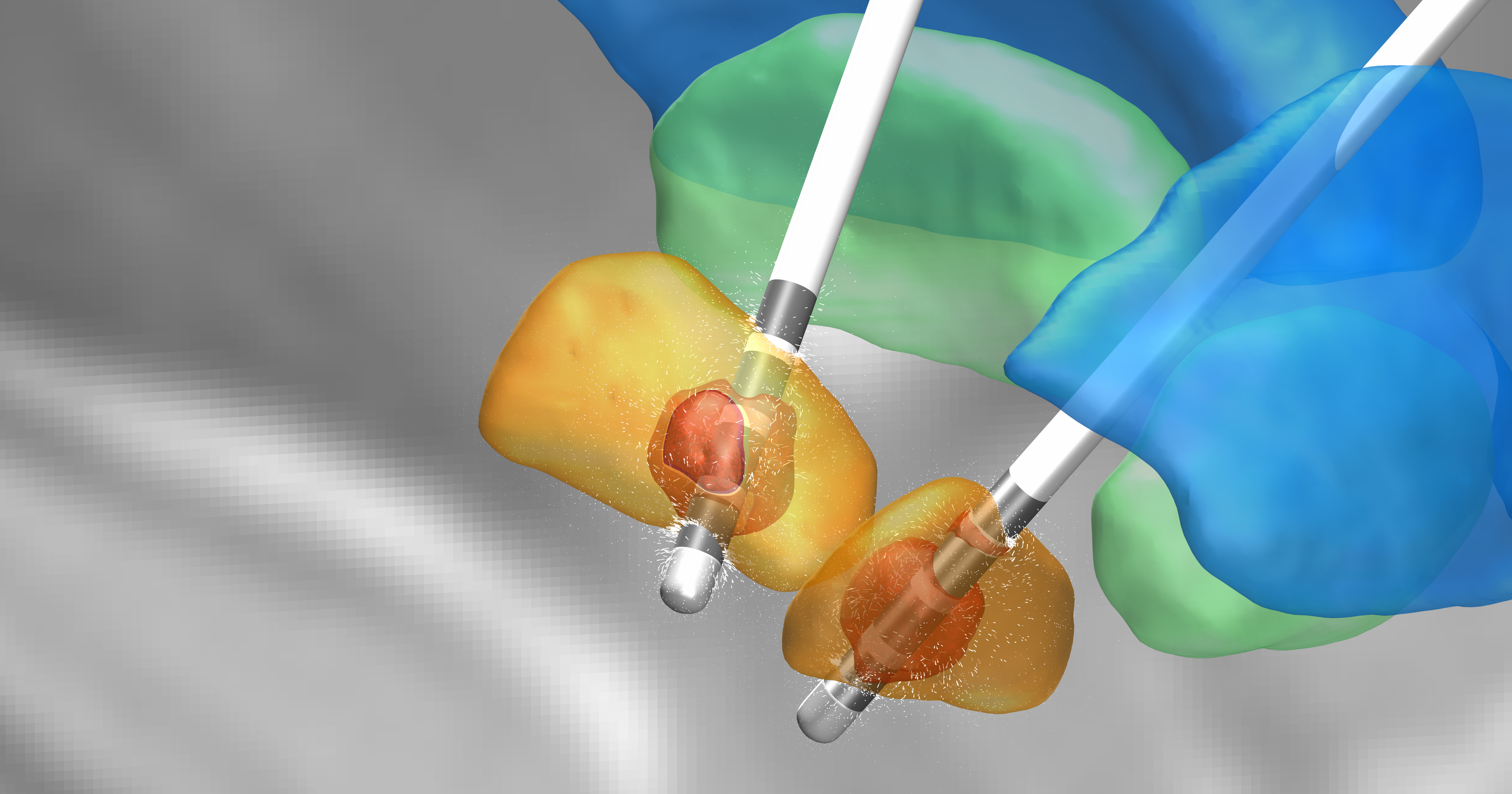
While the specific hospital where the discovery occurred was not identified, the event marked the beginning of DBS as a viable medical technique. The method involves implanting electrodes into specific brain regions to deliver electrical impulses, a process that mimics the effect Benabid observed during that early surgery.
“the breakthrough occurred in an operating room while he was testing various stimulation frequencies”
The account highlights the role of serendipity in medical science, where an unexpected observation during a procedure transforms a theoretical test into a clinical standard. Deep Brain Stimulation has since evolved from this single operating room discovery into a global therapy for Parkinson's and essential tremor, illustrating the importance of real-time clinical observation in neurological advancement.