A new ARTE documentary examines the benefits and risks of radioactivity and its omnipresence in the modern world.
Understanding the balance between the utility of nuclear energy and its potential for catastrophe remains critical as global energy needs evolve. The film, titled “La radioactivité : pour le meilleur et pour le pire,” explores how a natural phenomenon became a tool for both medical advancement and mass destruction.
The production traces the historical development of radioactivity, highlighting the foundational work of scientists Wilhelm Röntgen and Marie Curie. It details how these discoveries transitioned from laboratory breakthroughs into the creation of nuclear reactors and atomic bombs.
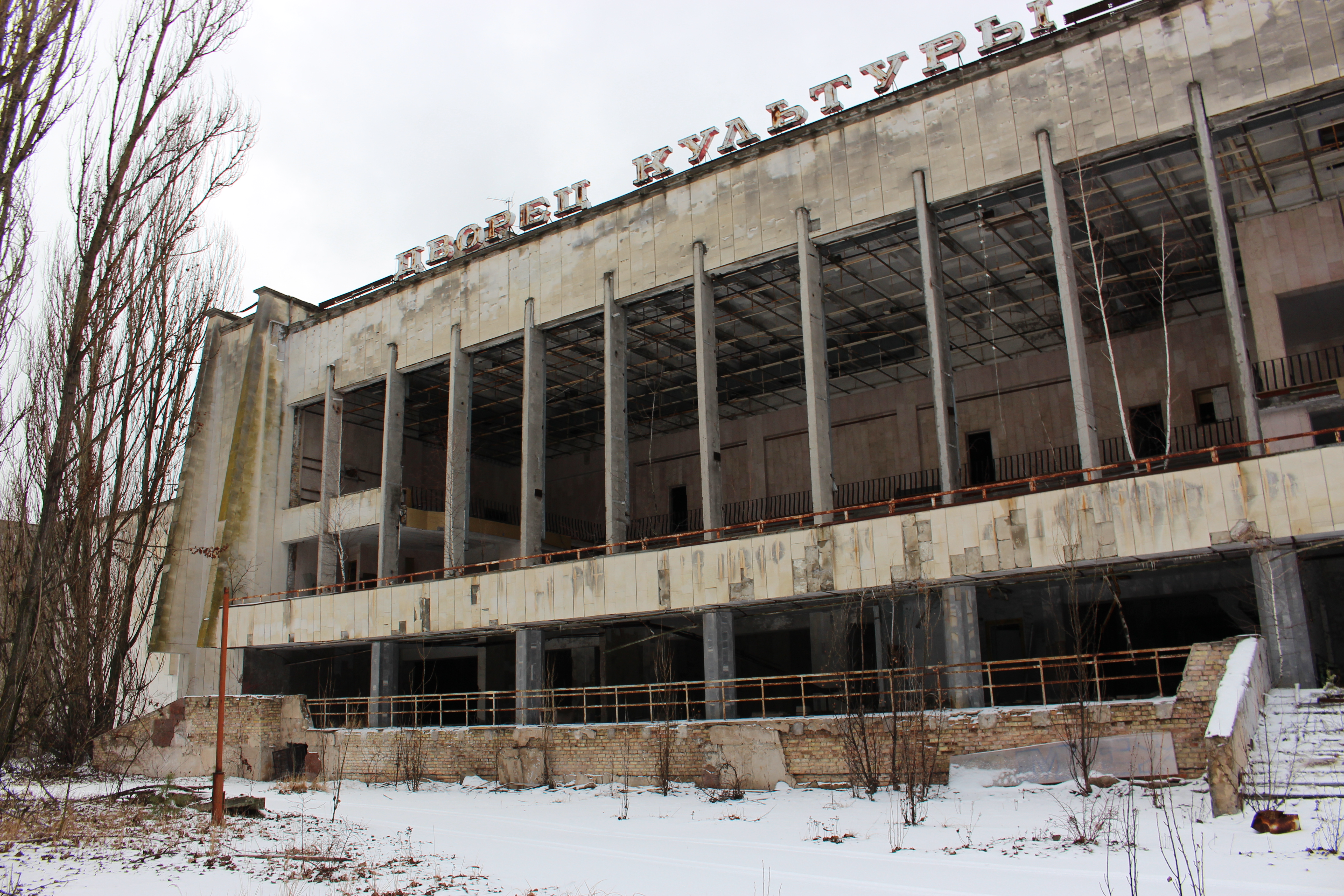
A central focus of the program is the 1986 Chernobyl accident in Ukraine. The documentary notes that 40 years [1] have passed since the disaster, using the event to illustrate the extreme dangers associated with nuclear mismanagement. By contrasting the Chernobyl site with the pervasive, low-dose radiation found in everyday environments, the film aims to inform the public about the dual nature of the element.
ARTE, a Franco-German broadcaster, produced the work to provide a comprehensive overview of how radioactivity functions. The documentary is available for viewing until 08/04/2031 [2].
The film suggests that radioactivity is an inescapable part of the environment. It argues that while the risks are significant, the scientific applications of radiation continue to provide essential benefits to society.
“40 years have passed since the disaster”
The release of this documentary coincides with the 40th anniversary of the Chernobyl disaster, serving as a reminder of the permanent environmental and societal impacts of nuclear accidents. By framing radioactivity as both a benefit and a risk, the film reflects the ongoing global tension between utilizing nuclear power for carbon-free energy and the catastrophic risks associated with reactor failure.

'%2F%3E%0A%20%20%20%20%3Crect%20width%3D'1600'%20height%3D'900'%20fill%3D'url(%23v)'%2F%3E%0A%20%20%20%20%3Cg%20opacity%3D'0.08'%20fill%3D'%23ffffff'%3E%0A%20%20%20%20%20%20%3Ccircle%20cx%3D'1420'%20cy%3D'180'%20r%3D'220'%2F%3E%0A%20%20%20%20%20%20%3Ccircle%20cx%3D'1500'%20cy%3D'760'%20r%3D'120'%2F%3E%0A%20%20%20%20%3C%2Fg%3E%0A%20%20%20%20%3Cline%20x1%3D'80'%20y1%3D'172'%20x2%3D'220'%20y2%3D'172'%20stroke%3D'%23ffffff'%20stroke-width%3D'3'%20stroke-opacity%3D'0.6'%2F%3E%0A%20%20%20%20%3Ctext%20x%3D'80'%20y%3D'140'%20font-family%3D'Inter%2C%20-apple-system%2C%20Helvetica%2C%20sans-serif'%20font-weight%3D'700'%20font-size%3D'28'%20fill%3D'%23ffffff'%20letter-spacing%3D'6'%3EHANNA%20%C2%B7%20NEWS%3C%2Ftext%3E%0A%20%20%20%20%3Ctext%20x%3D'80'%20y%3D'230'%20font-family%3D'Inter%2C%20-apple-system%2C%20Helvetica%2C%20sans-serif'%20font-weight%3D'600'%20font-size%3D'40'%20fill%3D'%23ffffffb3'%20letter-spacing%3D'4'%3ECULTURE%3C%2Ftext%3E%0A%20%20%20%20%3Ctext%20x%3D'80'%20y%3D'622'%20font-family%3D'Playfair%20Display%2C%20Georgia%2C%20serif'%20font-weight%3D'800'%20font-size%3D'86'%20fill%3D'%23ffffff'%20letter-spacing%3D'-1'%3EPlayground%20Games%20Rolls%20Back%3C%2Ftext%3E%3Ctext%20x%3D'80'%20y%3D'721'%20font-family%3D'Playfair%20Display%2C%20Georgia%2C%20serif'%20font-weight%3D'800'%20font-size%3D'86'%20fill%3D'%23ffffff'%20letter-spacing%3D'-1'%3EForza%20Horizon%206%20Credits%3C%2Ftext%3E%3Ctext%20x%3D'80'%20y%3D'820'%20font-family%3D'Playfair%20Display%2C%20Georgia%2C%20serif'%20font-weight%3D'800'%20font-size%3D'86'%20fill%3D'%23ffffff'%20letter-spacing%3D'-1'%3EAfter%20Exploit%3C%2Ftext%3E%0A%20%20%20%20%3Ctext%20x%3D'80'%20y%3D'870'%20font-family%3D'Inter%2C%20-apple-system%2C%20Helvetica%2C%20sans-serif'%20font-weight%3D'500'%20font-size%3D'22'%20fill%3D'%23ffffff66'%20letter-spacing%3D'2'%3Enews.hanna-ai.com%3C%2Ftext%3E%0A%20%20%3C%2Fsvg%3E)
