
The Australian Labor Party government faces a legislative battle over a tax reform package targeting property tax brackets, negative gearing, and capital gains.
These reforms represent a significant shift in how the federal government manages housing investment and taxation. The outcome will determine whether the government can curb property speculation or if the opposition will successfully maintain existing tax advantages for investors.
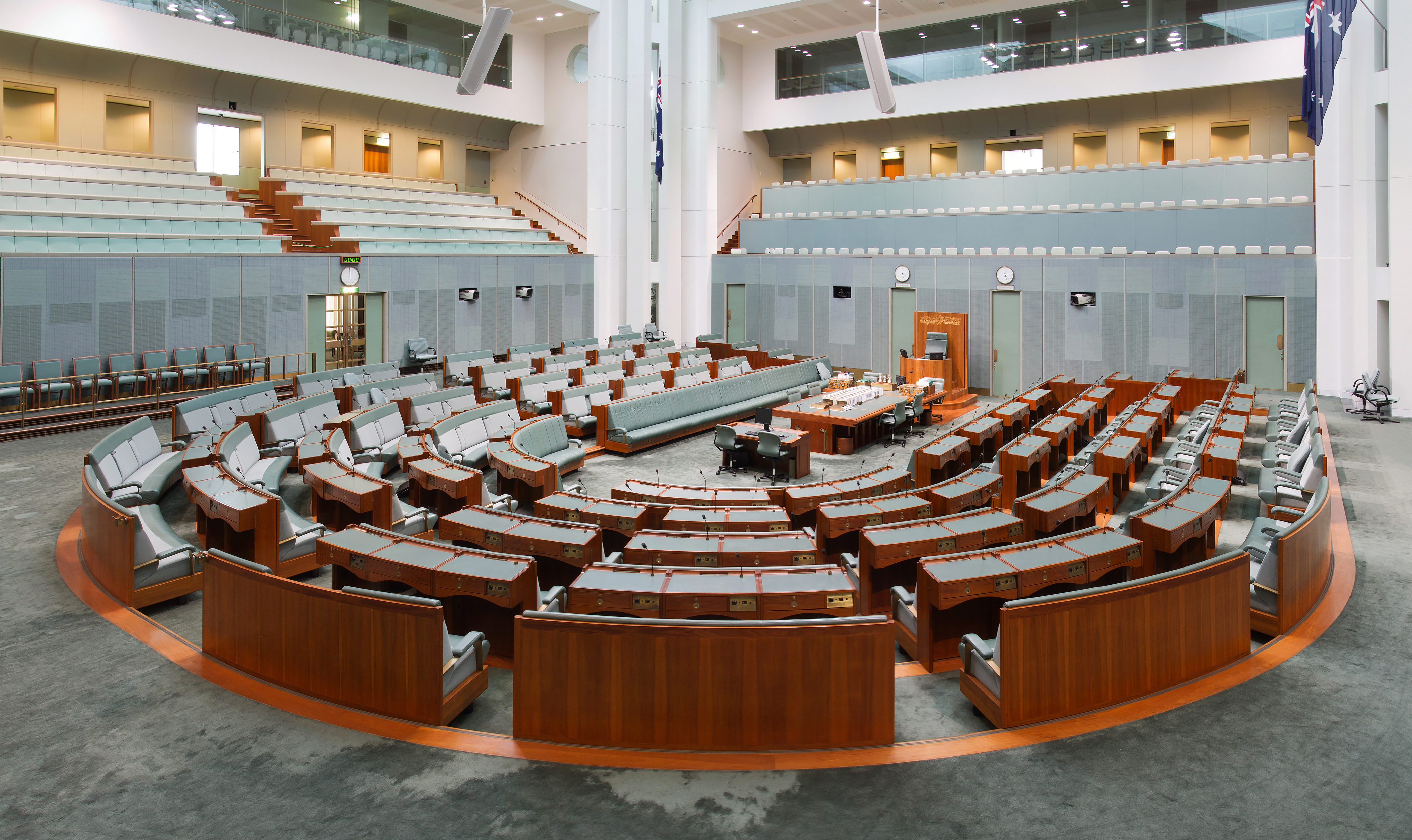
The package is expected to be voted on in the House of Representatives shortly before moving to the Senate [1]. While the government holds the lower house, the Senate remains a primary site of contention where the opposition can challenge the legislation.
The opposition Coalition, led by Angus Taylor, has signaled its intent to dismantle the reforms [1]. The Coalition plans to repeal the Labor government's changes to property taxes and instead redirect funds toward broader tax relief [2].
Specifically, the Coalition has pledged to spend $22.5 billion over four years on income-tax cuts [2]. This proposal aims to contrast the government's targeted property reforms with a more general reduction in income tax burdens for taxpayers.
The dispute centers on the social and economic impact of negative gearing and capital gains tax. Labor views these reforms as necessary for housing affordability, while the Coalition argues they penalize investors and stifle the economy.
As the bill moves through the parliamentary process, the focus shifts to the Senate's composition. The ability of the Coalition to block the bill or force amendments will depend on its ability to secure support from crossbench senators.
“The Coalition plans to repeal the Labor government's changes to property taxes.”
This legislative clash highlights a fundamental divide in Australian economic policy regarding housing. By proposing a $22.5 billion alternative, the Coalition is attempting to pivot the national conversation from property-specific tax fairness to general cost-of-living relief, potentially making the Labor reforms a central point of contention in future electoral cycles.


