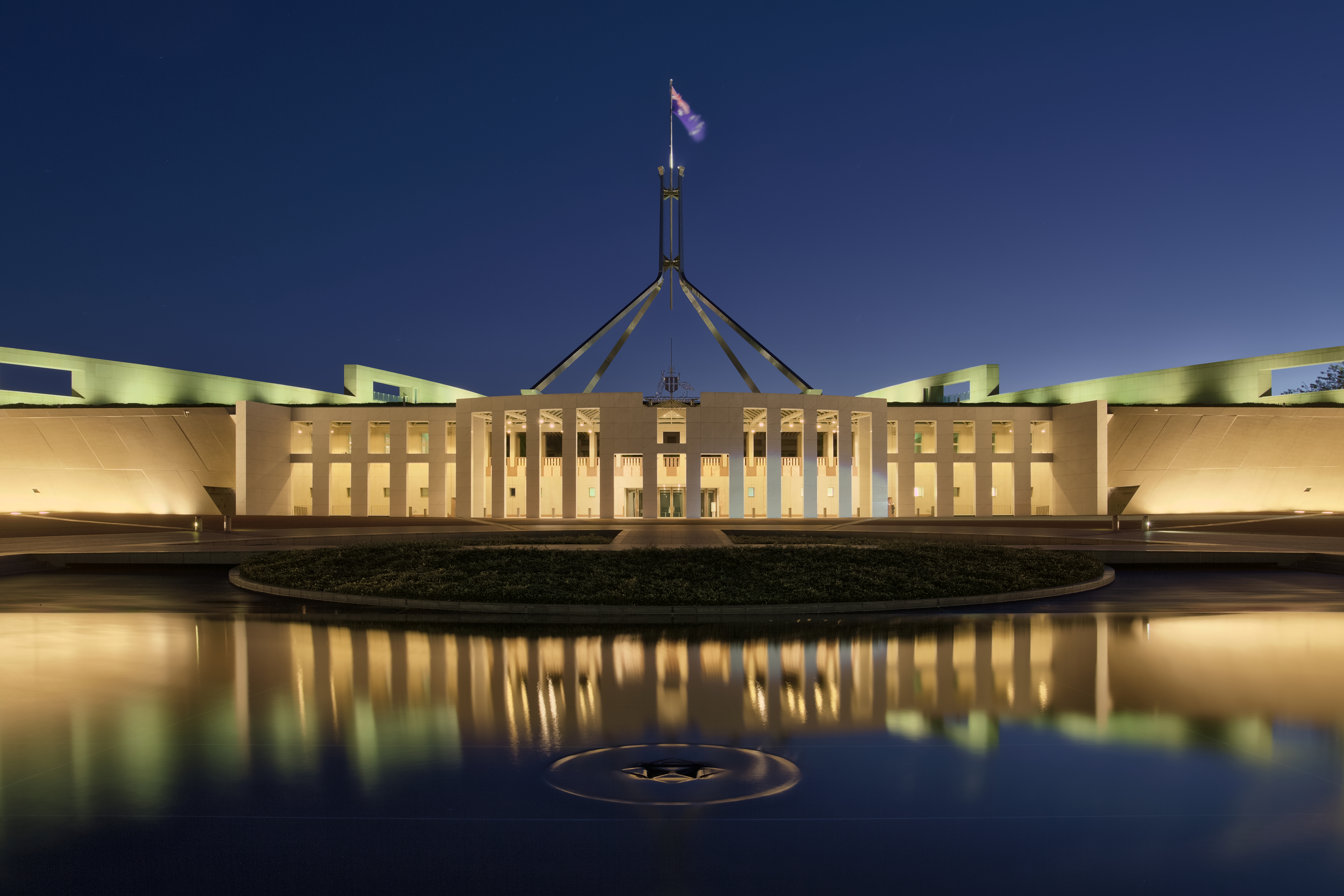
Australian federal politicians, lobbyists, journalists, and parliamentary staffers gathered at Parliament House in Canberra for the annual Midwinter Ball [1, 2].
The event highlights the intersection of legislative power, media influence, and corporate lobbying in Australia's capital. By auctioning access to lawmakers, the gala creates a formalized environment where private interests can secure direct time with decision-makers under the guise of philanthropy.
The gala, which took place in 2025 [3], served as a charity fundraiser designed to bring together the business and political communities [4, 1]. Attendees walked a red carpet in formal attire for the event, which is often described as the night of nights for the Canberra political circuit [2, 3].
A central feature of the evening was the auctioning of politicians' time. Bids for one-on-one meetings with federal representatives reached into the thousands of dollars [4]. This practice allows donors to purchase specific windows of access to lawmakers in exchange for charitable contributions.
While the event is framed as a philanthropic effort, the presence of lobbyists and journalists alongside federal officials underscores the social networking nature of the ball [1, 2]. The gathering provides a rare occasion where members of opposing political factions mingle in a non-legislative setting—far removed from the formal debates of the chamber.
Organizers said the goal of the Midwinter Ball is to raise money for charity while fostering relationships between the various sectors that operate within the federal government's sphere of influence [4, 1].
“Bids for one-on-one meetings with politicians reached into the thousands of dollars”
The Midwinter Ball exemplifies the 'access economy' within Australian politics, where the ability to secure private meetings with lawmakers is commodified. While the proceeds benefit charitable causes, the practice of auctioning time to the highest bidder raises ongoing questions about transparency and whether financial contributions—even those directed toward charity—grant disproportionate influence to wealthy donors and lobbyists.