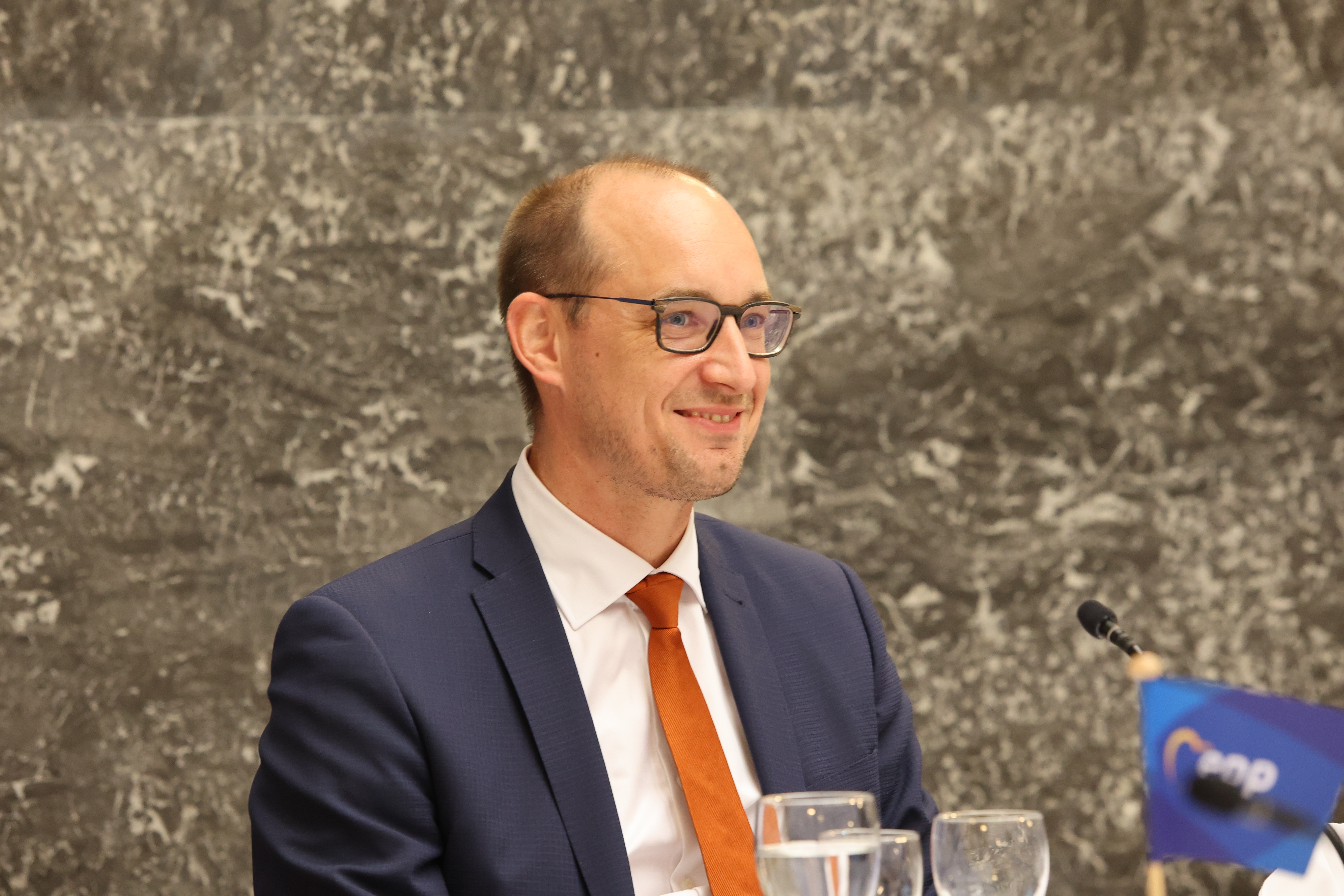
Belgian Budget Minister Vincent Van Peteghem said the government is discussing a possible defence tax to finance sharply increased military spending.
This potential policy shift comes as the Belgian government struggles to manage a growing federal budget deficit while meeting increased security obligations. The introduction of a dedicated tax would mark a significant change in how the state funds its national security apparatus.
Speaking during an interview on the VRT NWS programme “Terzake,” Van Peteghem (CD&V) said the administration is exploring various financing options to ensure the military budget remains sustainable [1].
When asked about the possibility of a specific tax to fund defence, Van Peteghem said, "Daar wordt inderdaad over gesproken," which translates to "That is indeed being talked about" [1].
Van Peteghem served as both the Minister of Budget and Vice-Premier during the interview. He said the government is open to various fiscal tools to close the gap created by rising costs. He said, "Geen taboes," or "No taboos" [2], regarding the methods used to secure the necessary funds.
The Belgian government has faced mounting pressure to reconcile its fiscal discipline with the need for modernized defence capabilities. The discussion of a defence tax suggests that traditional budget reallocations may be insufficient to cover the sharp increase in spending requirements [1, 2].
“"Daar wordt inderdaad over gesproken."”
The openness to a defence tax indicates that Belgium is facing a critical fiscal gap that cannot be solved through simple spending cuts. By removing 'taboos' around new taxation, the government is signaling that the cost of increased security is high enough to potentially override traditional political resistance to new taxes, reflecting a broader European trend of prioritizing military readiness over strict deficit targets.


'%2F%3E%0A%20%20%20%20%3Crect%20width%3D'1600'%20height%3D'900'%20fill%3D'url(%23v)'%2F%3E%0A%20%20%20%20%3Cg%20opacity%3D'0.08'%20fill%3D'%23ffffff'%3E%0A%20%20%20%20%20%20%3Ccircle%20cx%3D'1420'%20cy%3D'180'%20r%3D'220'%2F%3E%0A%20%20%20%20%20%20%3Ccircle%20cx%3D'1500'%20cy%3D'760'%20r%3D'120'%2F%3E%0A%20%20%20%20%3C%2Fg%3E%0A%20%20%20%20%3Cline%20x1%3D'80'%20y1%3D'172'%20x2%3D'220'%20y2%3D'172'%20stroke%3D'%23ffffff'%20stroke-width%3D'3'%20stroke-opacity%3D'0.6'%2F%3E%0A%20%20%20%20%3Ctext%20x%3D'80'%20y%3D'140'%20font-family%3D'Inter%2C%20-apple-system%2C%20Helvetica%2C%20sans-serif'%20font-weight%3D'700'%20font-size%3D'28'%20fill%3D'%23ffffff'%20letter-spacing%3D'6'%3EHANNA%20%C2%B7%20NEWS%3C%2Ftext%3E%0A%20%20%20%20%3Ctext%20x%3D'80'%20y%3D'230'%20font-family%3D'Inter%2C%20-apple-system%2C%20Helvetica%2C%20sans-serif'%20font-weight%3D'600'%20font-size%3D'40'%20fill%3D'%23ffffffb3'%20letter-spacing%3D'4'%3EWORLD%3C%2Ftext%3E%0A%20%20%20%20%3Ctext%20x%3D'80'%20y%3D'622'%20font-family%3D'Playfair%20Display%2C%20Georgia%2C%20serif'%20font-weight%3D'800'%20font-size%3D'86'%20fill%3D'%23ffffff'%20letter-spacing%3D'-1'%3EKids%20Count%20Reaches%3C%2Ftext%3E%3Ctext%20x%3D'80'%20y%3D'721'%20font-family%3D'Playfair%20Display%2C%20Georgia%2C%20serif'%20font-weight%3D'800'%20font-size%3D'86'%20fill%3D'%23ffffff'%20letter-spacing%3D'-1'%3EFundraising%20Goal%20for%20Thunder%3C%2Ftext%3E%3Ctext%20x%3D'80'%20y%3D'820'%20font-family%3D'Playfair%20Display%2C%20Georgia%2C%20serif'%20font-weight%3D'800'%20font-size%3D'86'%20fill%3D'%23ffffff'%20letter-spacing%3D'-1'%3EBay%20Community%20Hub%3C%2Ftext%3E%0A%20%20%20%20%3Ctext%20x%3D'80'%20y%3D'870'%20font-family%3D'Inter%2C%20-apple-system%2C%20Helvetica%2C%20sans-serif'%20font-weight%3D'500'%20font-size%3D'22'%20fill%3D'%23ffffff66'%20letter-spacing%3D'2'%3Enews.hanna-ai.com%3C%2Ftext%3E%0A%20%20%3C%2Fsvg%3E)