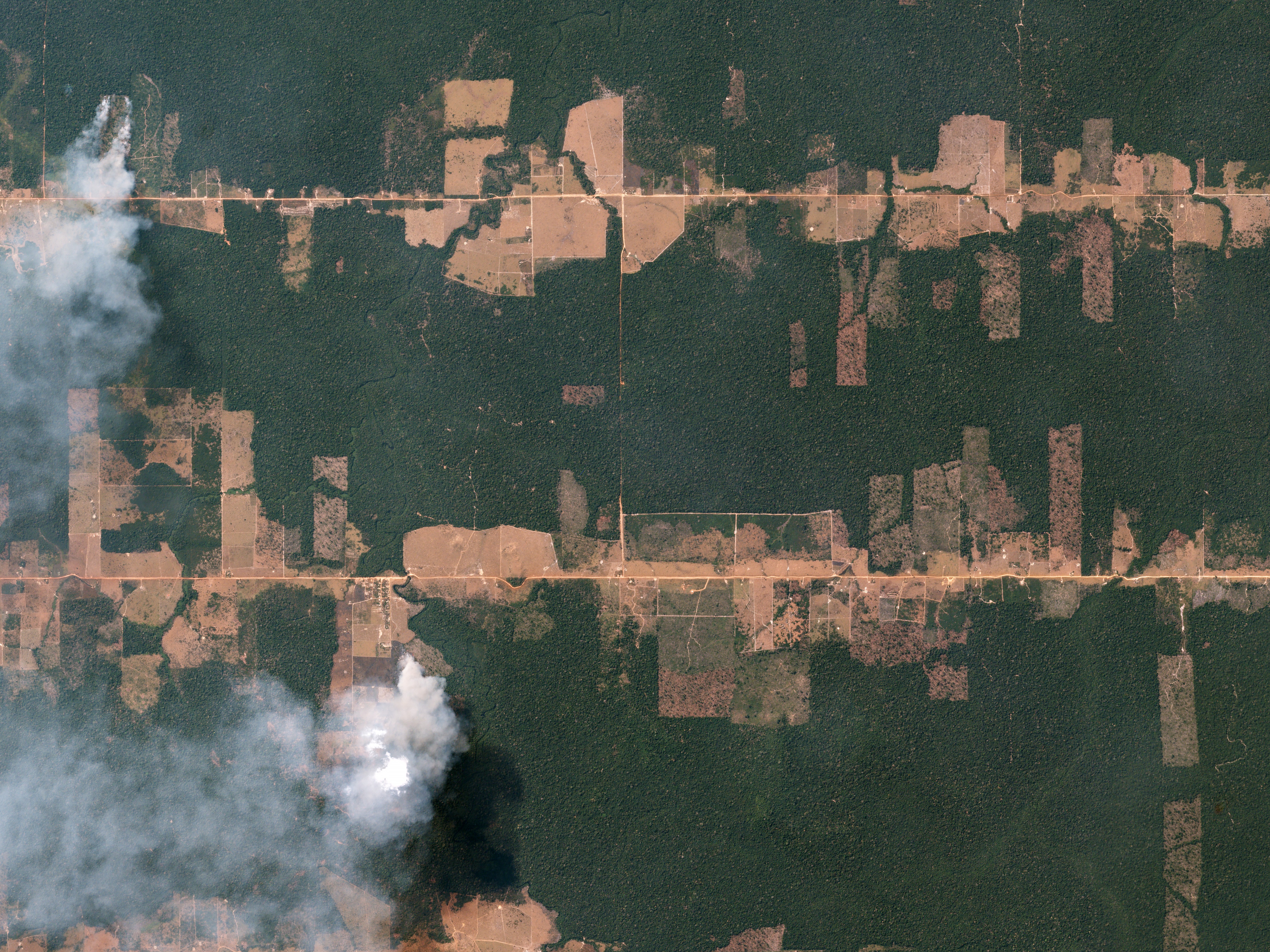
Brazil is working to transform its abundant natural wealth into strategic leadership during international negotiations [1].
This shift is critical because it moves the country beyond being a mere supplier of raw materials. By leveraging its biodiversity, Brazil intends to secure a more influential role in global power dynamics and diplomatic blocs [3].
Strategic leadership in this area requires a transition from infrastructure dominance to technological protagonism [2]. The goal is to utilize the nation's environmental assets as a lever for power in relations with other global actors [3]. This approach focuses on the intersection of sustainability and economic influence.
International observers said that the potential of these natural riches must be converted into concrete strategic action to be effective [1]. The process involves integrating the country's unique ecological assets into its foreign policy, and trade agreements [2].
As global markets increasingly value sustainability, Brazil's position as a biodiversity powerhouse provides a unique advantage [3]. The strategy involves using these assets to navigate the complexities of modern international blocs and economic negotiations [1].
“Brazil is working to transform its abundant natural wealth into strategic leadership.”
Brazil is attempting to pivot its global identity from a commodity exporter to a strategic leader in the green economy. By linking its environmental assets to diplomatic leverage, the country aims to increase its bargaining power in trade and climate negotiations, potentially redefining its role within Latin America and the broader global south.


