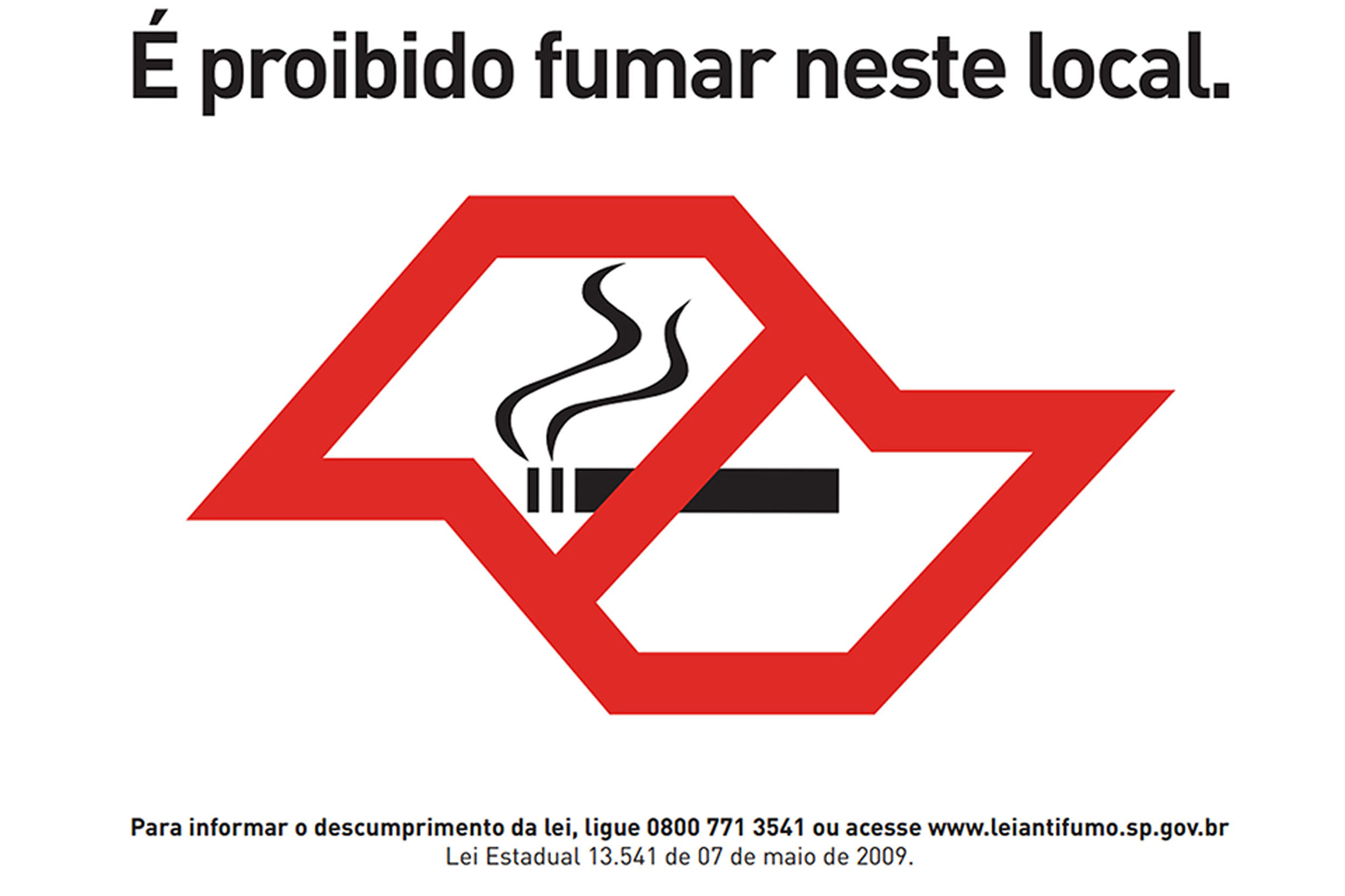
Smoking prevalence in Brazil has increased for the first time since 2007, according to the latest Vigitel survey data [1].
This shift represents a potential public health crisis after decades of steady progress. The resurgence suggests that new nicotine delivery systems may be bypassing traditional tobacco controls and attracting new users.
Data from the Brazilian Ministry of Health indicates a decline of more than 40% in smoking prevalence between 2006 and 2023 [1]. However, the most recent Vigitel survey shows a reversal of this trend, reporting an increase of about 25% in the percentage of smokers [1].
Regulators are now focusing on the illegal sale of nicotine pouches and heated-tobacco products. These items are frequently sold through informal channels, including online platforms and WhatsApp [2]. The Brazilian regulatory agency Anvisa said that nicotine pouches are prohibited in the country [2].
Health experts warn that the delivery method does not mitigate the danger of the drug. A report from the European Heart Journal said that nicotine is highly toxic to the heart and blood vessels regardless of the form in which it is consumed [3].
Anvisa is currently targeting illegal sellers to curb the availability of these products. The agency aims to protect public health by restricting access to these prohibited substances, especially as they target younger populations through digital markets [2].
“Smoking prevalence in Brazil has increased for the first time since 2007”
The reversal of Brazil's long-term decline in smoking suggests that regulatory gaps regarding 'modern' nicotine products are undermining traditional anti-smoking campaigns. By utilizing encrypted messaging apps like WhatsApp to bypass legal prohibitions, illegal vendors are creating a shadow market that makes it difficult for Anvisa to track consumption and implement health warnings.