Foreign visitors spent a record 1.328 trillion won on Korean cultural activities in April 2026 [1].
This surge in spending highlights the economic leverage of K-pop, as the global return of BTS has transformed cultural interest into a driver of national tourism revenue.
The spending in April 2026, which is approximately $873 million, represents a 54.6% increase compared to April 2025 [1]. This figure also marks a month-on-month increase of approximately 22% over March 2026 [1].
The financial spike follows a period of visitor volume. In March 2026, South Korea recorded a record 2.06 million foreign arrivals [2]. This contributed to a total of 4.76 million arrivals for the first quarter of 2026 [2].
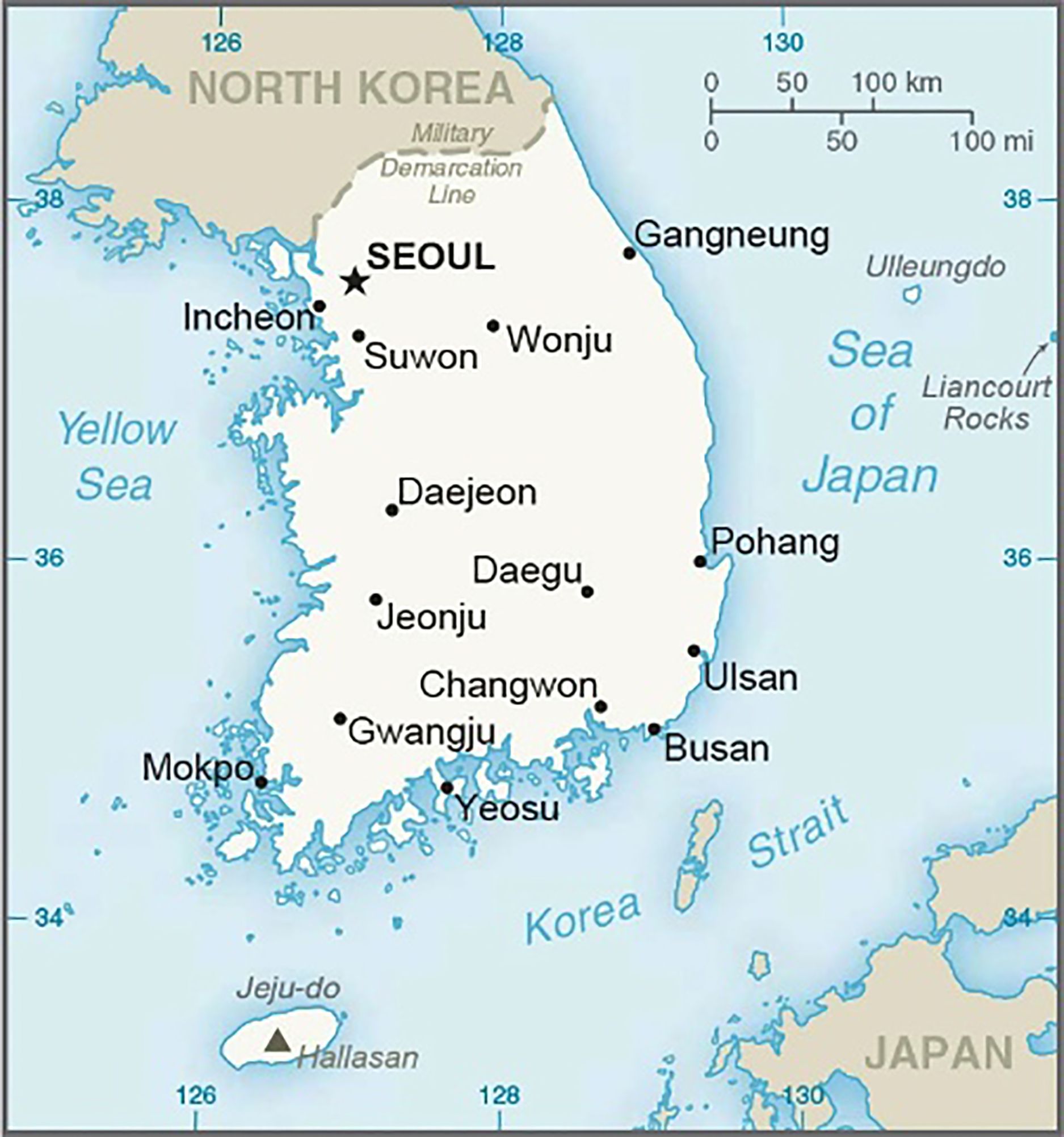
These quarterly figures represent a 23% increase over the same period last year [2]. Much of this growth is concentrated in Seoul, where visitors engage with the cultural products and experiences associated with the K-pop phenomenon.
The growth is attributed largely to the comeback tour of BTS [2, 3]. The group's return to the stage has spurred a global wave of interest that extends beyond music, boosting the broader Korean cultural economy, including fashion, beauty, and traditional arts.
Government and industry data said that the synergy between high-profile entertainment events and tourism infrastructure has created a sustainable loop of high-spending visitors [2, 4].
“Foreign visitors spent a record 1.328 trillion won on Korean cultural activities in April 2026”
The data underscores the concept of 'soft power' as a tangible economic asset. By leveraging a single global entertainment entity like BTS, South Korea is successfully diversifying its tourism appeal, moving from general sightseeing to high-value, culture-specific consumption that yields significant year-on-year growth.