A United Nations-backed Special Criminal Court in Bangui opened the trial of former Central African Republic President François Bozizé on Tuesday [1], [2].
The proceedings represent a significant effort to establish legal accountability for high-level officials in a region long plagued by political instability and systemic violence.
Bozizé is charged with crimes against humanity stemming from the actions of his security forces [2], [3]. The allegations include murder, torture, rape, and enforced disappearances [2], [3]. These crimes are alleged to have occurred between 2009 and 2013 [1], [2].
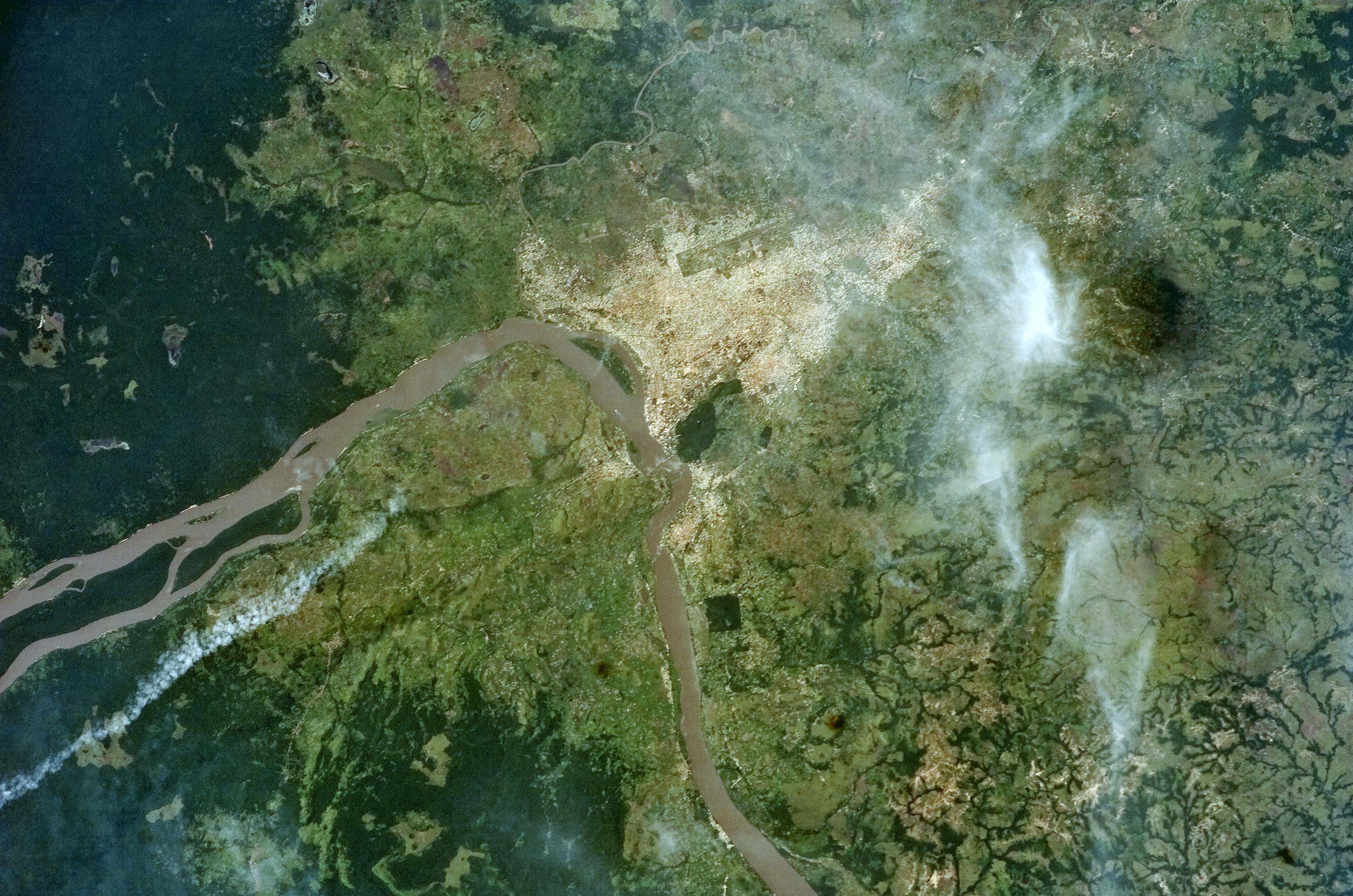
The court is located in Bangui, the capital of the Central African Republic [1], [2]. While the trial has officially commenced, there are conflicting reports regarding the defendant's presence. One source said the trial will be held in absentia [2], though other reports did not specify whether Bozizé is physically present in the courtroom [2].
The Special Criminal Court operates with international support to prosecute the most serious crimes committed in the country. By focusing on the period between 2009 and 2013 [1], the court aims to address a specific era of state-led violence that preceded the country's more recent cycles of civil war.
This legal process follows years of documentation regarding human rights abuses in the Central African Republic. The trial seeks to provide a formal record of the atrocities committed by state security apparatuses under the leadership of the former president.
“Bozizé is charged with crimes against humanity for murders, enforced disappearances, torture, and rape.”
The trial of François Bozizé serves as a litmus test for the Special Criminal Court's ability to prosecute former heads of state. By targeting crimes committed between 2009 and 2013, the UN-backed tribunal is attempting to bridge the gap between transitional justice and permanent legal accountability in the Central African Republic, potentially setting a precedent for future leadership transitions in the region.


