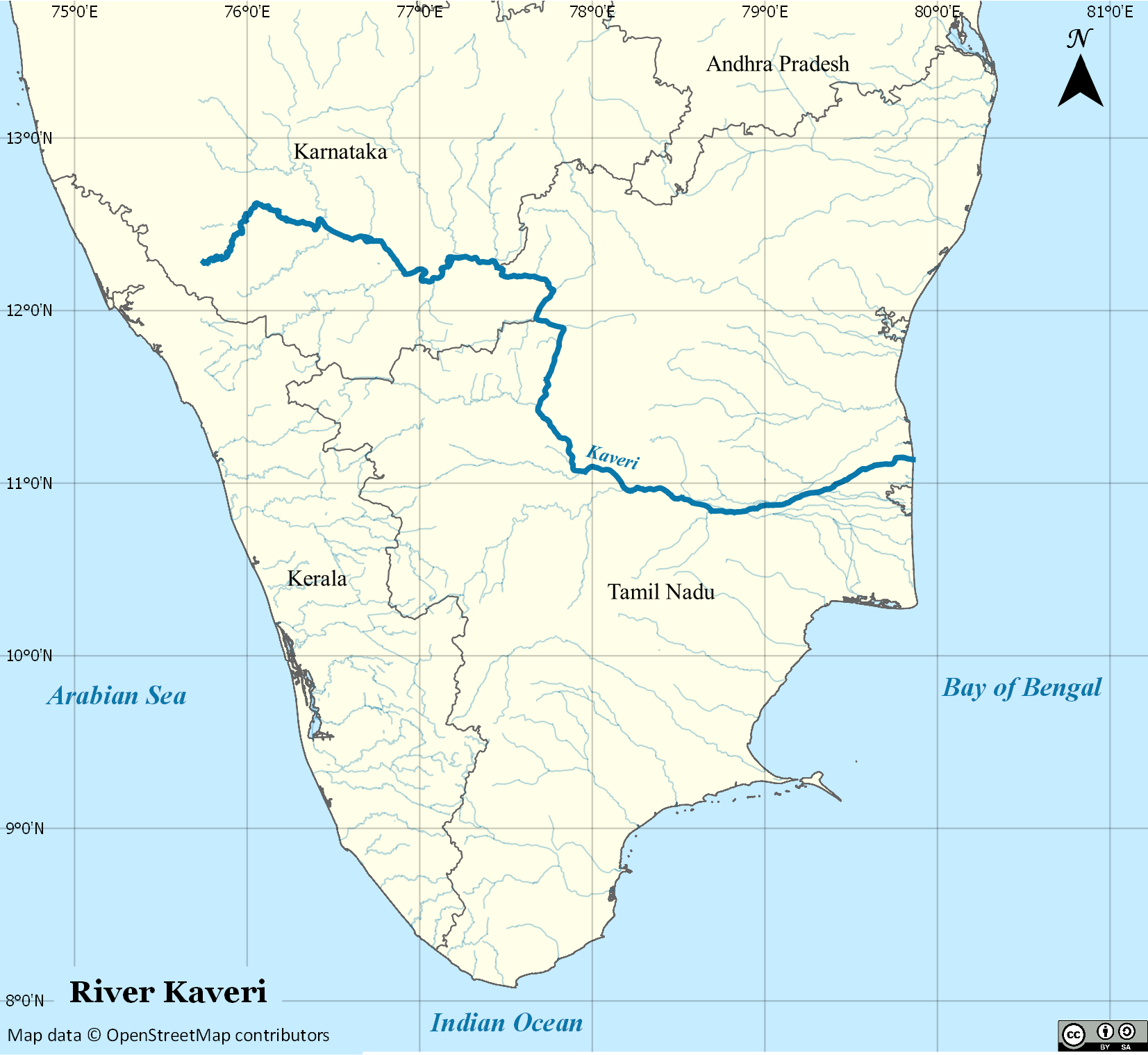
Karnataka and Tamil Nadu are locked in a deepening dispute over the Cauvery River, leading to legal action and emergency political meetings.
The conflict centers on critical water security for millions of farmers and residents in both states. As drought conditions and reservoir levels fluctuate, the inability to agree on water sharing threatens regional stability and agricultural productivity.
Tamil Nadu has approached the Supreme Court of India seeking the immediate release of nine TMC ft [1] of Cauvery water. State officials said the move follows allegations that Karnataka is failing to comply with directives from the Cauvery Water Regulation Committee [2].
Karnataka has countered these demands by citing severe water scarcity and low rainfall [3]. State officials said no water can be released to Tamil Nadu due to these shortages [3]. To address the crisis, Deputy Chief Minister D.K. Shivakumar called an all-party meeting for Sunday, July 17, 2026 [1].
"All former chief ministers, Members of Parliament, ministers, legal experts, as well as senior bureaucrats have been invited for Sunday's meeting to deliberate on the Cauvery issue," Shivakumar said [1].
The tension has drawn political scrutiny. Vanathi Srinivasan, a BJP leader, said she was shocked by the stance taken by Karnataka and urged the Tamil Nadu Chief Minister to ensure the receipt of the water [4].
While the all-party meeting in Karnataka aims to find a domestic political solution, the legal proceedings in New Delhi may impose a binding mandate on water release [2]. The two states remain divided on whether the current reservoir levels can support any outflow without compromising Karnataka's own needs [3].
“"Tamil Nadu has sought the immediate release of nine TMC ft of Cauvery water."”
The escalation to the Supreme Court indicates a breakdown in the administrative mechanisms designed to manage the Cauvery River basin. By pairing a legal challenge with an all-party political summit, both states are signaling that the water shortage has moved beyond a technical regulatory issue and into a high-stakes political confrontation that could affect interstate relations and agricultural output for the current season.


