Approximately 60,000 migrants crossed from Morocco into the Spanish enclave of Ceuta on Friday, resulting in dozens of deaths [1].
The mass breach represents a significant humanitarian and security crisis for the North African territory. The sheer volume of arrivals has strained local infrastructure and prompted an immediate military response to restore order.
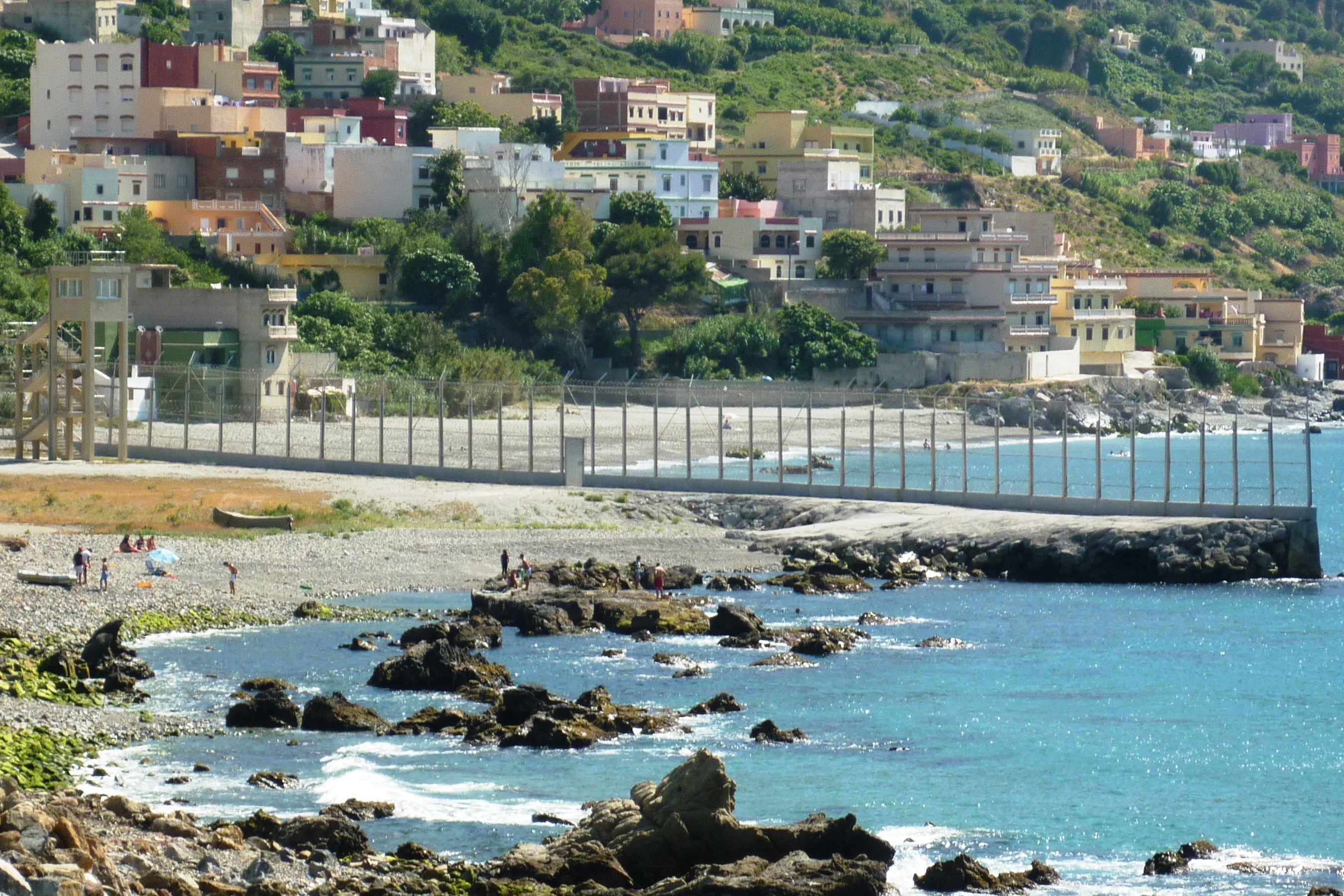
The migrants, primarily young men from Morocco, entered the enclave by swimming across the border and breaching perimeter fences [1]. Many are seeking asylum and entry into mainland Europe to apply for legal protection [1].
Casualty reports vary among officials. Ceuta authorities said at least 34 died [1], while other officials said at least 57 migrants died [2]. The discrepancy reflects the chaos of the breach, which occurred over the 24 hours leading to Friday [1].
The scale of the influx is unprecedented for the region. The number of migrants who entered is roughly 70% of Ceuta's regular population [1]. This surge has led to crowds of people filling the streets of the enclave as Spanish security forces attempt to manage the situation.
Spain has deployed military units to the border fence to prevent further crossings. The government is currently processing the individuals who entered to determine their legal status and asylum eligibility.
“Approximately 60,000 migrants crossed from Morocco into the Spanish enclave of Ceuta”
The breach of Ceuta highlights the extreme risks migrants take to reach the European Union and the fragility of border controls in North African enclaves. The massive disparity between the local population and the number of arrivals creates an immediate logistical failure, likely intensifying diplomatic tensions between Spain and Morocco regarding migration management.