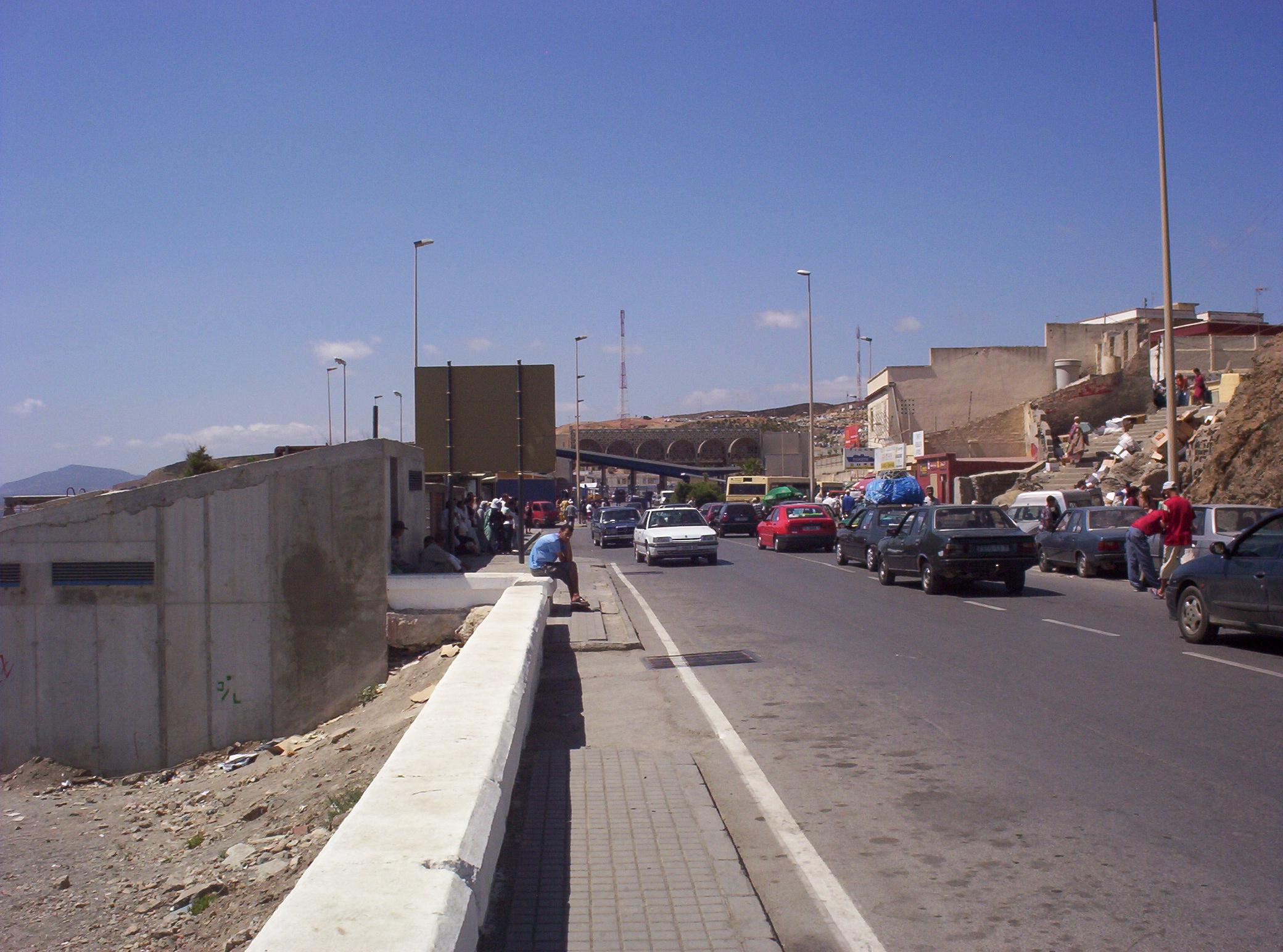
At least 57 migrants died after approximately 60,000 people crossed from Morocco into the Spanish enclave of Ceuta on Friday, July 31 [1, 2].
The scale of the influx represents a severe humanitarian and security crisis for the small territory. The sudden arrival of thousands of people attempting to enter European Union territory has strained local resources and forced a rapid military intervention to prevent further loss of life.
Authorities said the deaths occurred within a 24-hour window [3]. The surge of 60,000 people [2] overwhelmed the enclave's infrastructure, as the number of arrivals represented roughly 70% of Ceuta's total population [4].
In response to the chaos, Spain deployed the military to restore order at the border [5]. Security forces worked to reinforce the border fence to halt the mass crossings. While some reports indicate that many of the migrants eventually left the territory voluntarily [2], other accounts said that the reinforcement of the border was the primary factor in stopping the flow of people after tens of thousands had already arrived [1].
Ceuta, located on the North African coast, serves as one of the few land borders between Africa and the EU. The enclave has long been a flashpoint for migration, but the volume of this recent crossing is unprecedented. Spanish officials have focused on securing the perimeter to prevent further casualties and stabilize the region.
Local authorities have not yet released a full accounting of the injuries sustained during the crossing, though the death toll remains at 57 [1]. The military presence remains active as Spain continues to coordinate with Moroccan authorities to manage the border zone.
“At least 57 migrants died after approximately 60,000 people crossed from Morocco into the Spanish enclave of Ceuta”
This event underscores the extreme volatility of the Spain-Morocco border and the fragility of current migration management strategies. The fact that the influx nearly equaled the entire population of the enclave suggests a systemic failure in border deterrence or a coordinated mass movement that local authorities were unprepared to handle without military assistance.


