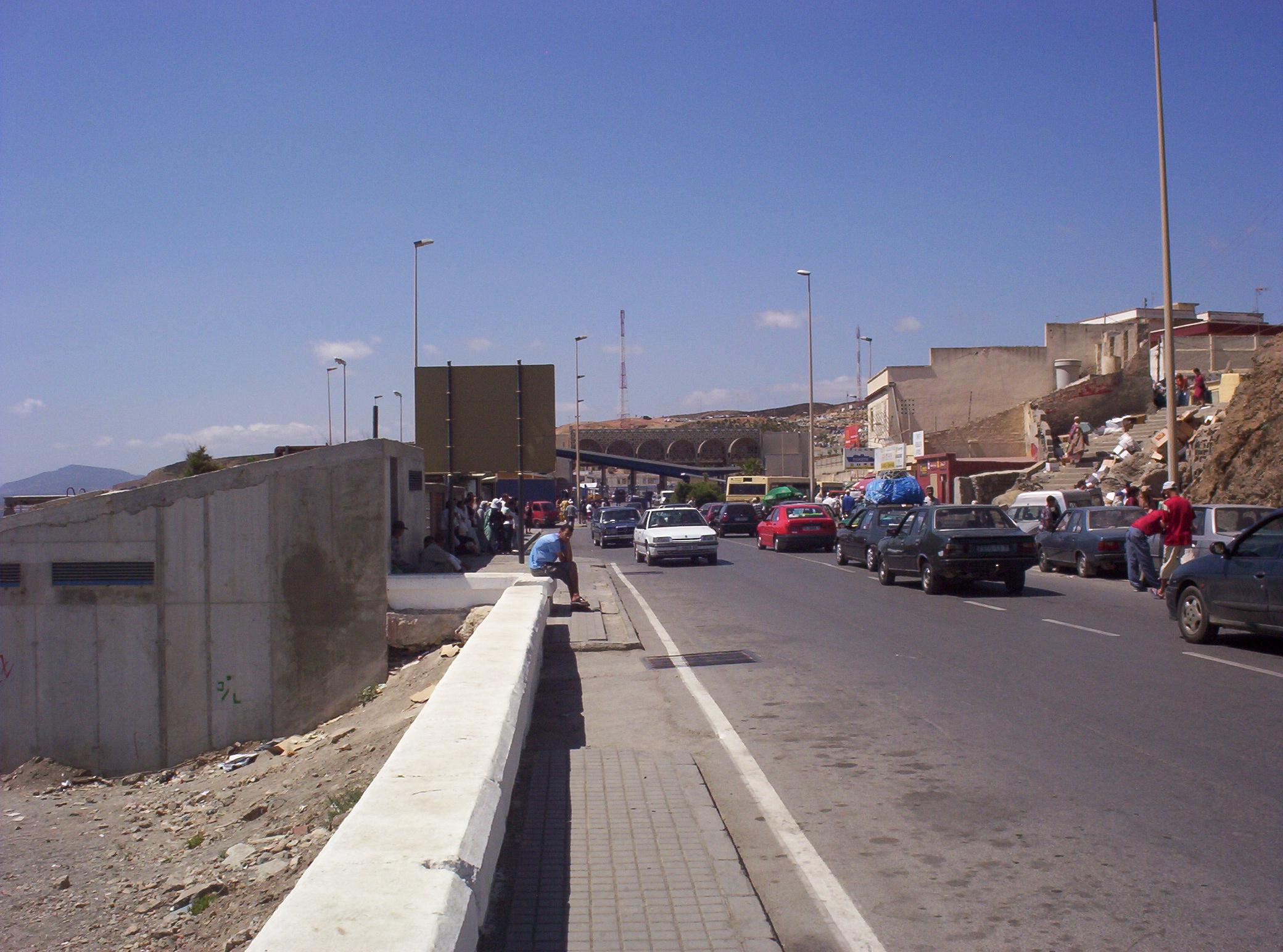
Tens of thousands of migrants from Morocco breached the border into the Spanish enclave of Ceuta during a 24-hour period ending Friday [1], [3].
The surge creates an immediate humanitarian crisis in the small autonomous city and threatens the diplomatic stability between Spain and Morocco. The scale of the influx has overwhelmed local infrastructure and security forces.
Reports on the number of people who entered the territory vary. Some sources said approximately 49,000 people crossed [1], [2], while others said the number reached 60,000 [3], [4]. This influx represents roughly 70% of the city's regular population [3].
The crossing resulted in significant loss of life. While some reports indicate at least 18 deaths [2], other sources said at least 34 people died during the breach [3], [5].
Spanish Prime Minister Pedro Sánchez said the event is a violation of Spain's territorial integrity [2]. The breach occurred after Moroccan authorities relaxed border enforcement, leading to what some described as a total collapse of the border [1], [6].
Local observers described the scene as volatile. Rachid Sbihi said the situation is absolute chaos [1]. Sbihi said it is not possible to give precise numbers, but there are thousands of migrants crossing [1].
Spanish and Moroccan authorities are currently managing the security situation on the north-African coast. The surge is attributed to a combination of relaxed Moroccan enforcement and political or legal factors within Spain that encouraged the movement [6].
“"The situation is absolute chaos."”
This mass breach signals a breakdown in the migration management agreements between Rabat and Madrid. By relaxing enforcement, Morocco may be using migration as a geopolitical lever, while the scale of the crossing tests Spain's ability to maintain sovereignty over its overseas territories without escalating into a full military confrontation.

'%2F%3E%0A%20%20%20%20%3Crect%20width%3D'1600'%20height%3D'900'%20fill%3D'url(%23v)'%2F%3E%0A%20%20%20%20%3Cg%20opacity%3D'0.08'%20fill%3D'%23ffffff'%3E%0A%20%20%20%20%20%20%3Ccircle%20cx%3D'1420'%20cy%3D'180'%20r%3D'220'%2F%3E%0A%20%20%20%20%20%20%3Ccircle%20cx%3D'1500'%20cy%3D'760'%20r%3D'120'%2F%3E%0A%20%20%20%20%3C%2Fg%3E%0A%20%20%20%20%3Cline%20x1%3D'80'%20y1%3D'172'%20x2%3D'220'%20y2%3D'172'%20stroke%3D'%23ffffff'%20stroke-width%3D'3'%20stroke-opacity%3D'0.6'%2F%3E%0A%20%20%20%20%3Ctext%20x%3D'80'%20y%3D'140'%20font-family%3D'Inter%2C%20-apple-system%2C%20Helvetica%2C%20sans-serif'%20font-weight%3D'700'%20font-size%3D'28'%20fill%3D'%23ffffff'%20letter-spacing%3D'6'%3EHANNA%20%C2%B7%20NEWS%3C%2Ftext%3E%0A%20%20%20%20%3Ctext%20x%3D'80'%20y%3D'230'%20font-family%3D'Inter%2C%20-apple-system%2C%20Helvetica%2C%20sans-serif'%20font-weight%3D'600'%20font-size%3D'40'%20fill%3D'%23ffffffb3'%20letter-spacing%3D'4'%3EWORLD%3C%2Ftext%3E%0A%20%20%20%20%3Ctext%20x%3D'80'%20y%3D'622'%20font-family%3D'Playfair%20Display%2C%20Georgia%2C%20serif'%20font-weight%3D'800'%20font-size%3D'86'%20fill%3D'%23ffffff'%20letter-spacing%3D'-1'%3ETom%20Holland%20earns%20%26apos%3BLook%3C%2Ftext%3E%3Ctext%20x%3D'80'%20y%3D'721'%20font-family%3D'Playfair%20Display%2C%20Georgia%2C%20serif'%20font-weight%3D'800'%20font-size%3D'86'%20fill%3D'%23ffffff'%20letter-spacing%3D'-1'%3Eof%20the%20Week%26apos%3B%20for%3C%2Ftext%3E%3Ctext%20x%3D'80'%20y%3D'820'%20font-family%3D'Playfair%20Display%2C%20Georgia%2C%20serif'%20font-weight%3D'800'%20font-size%3D'86'%20fill%3D'%23ffffff'%20letter-spacing%3D'-1'%3Ered-carpet%20style%3C%2Ftext%3E%0A%20%20%20%20%3Ctext%20x%3D'80'%20y%3D'870'%20font-family%3D'Inter%2C%20-apple-system%2C%20Helvetica%2C%20sans-serif'%20font-weight%3D'500'%20font-size%3D'22'%20fill%3D'%23ffffff66'%20letter-spacing%3D'2'%3Enews.hanna-ai.com%3C%2Ftext%3E%0A%20%20%3C%2Fsvg%3E)
