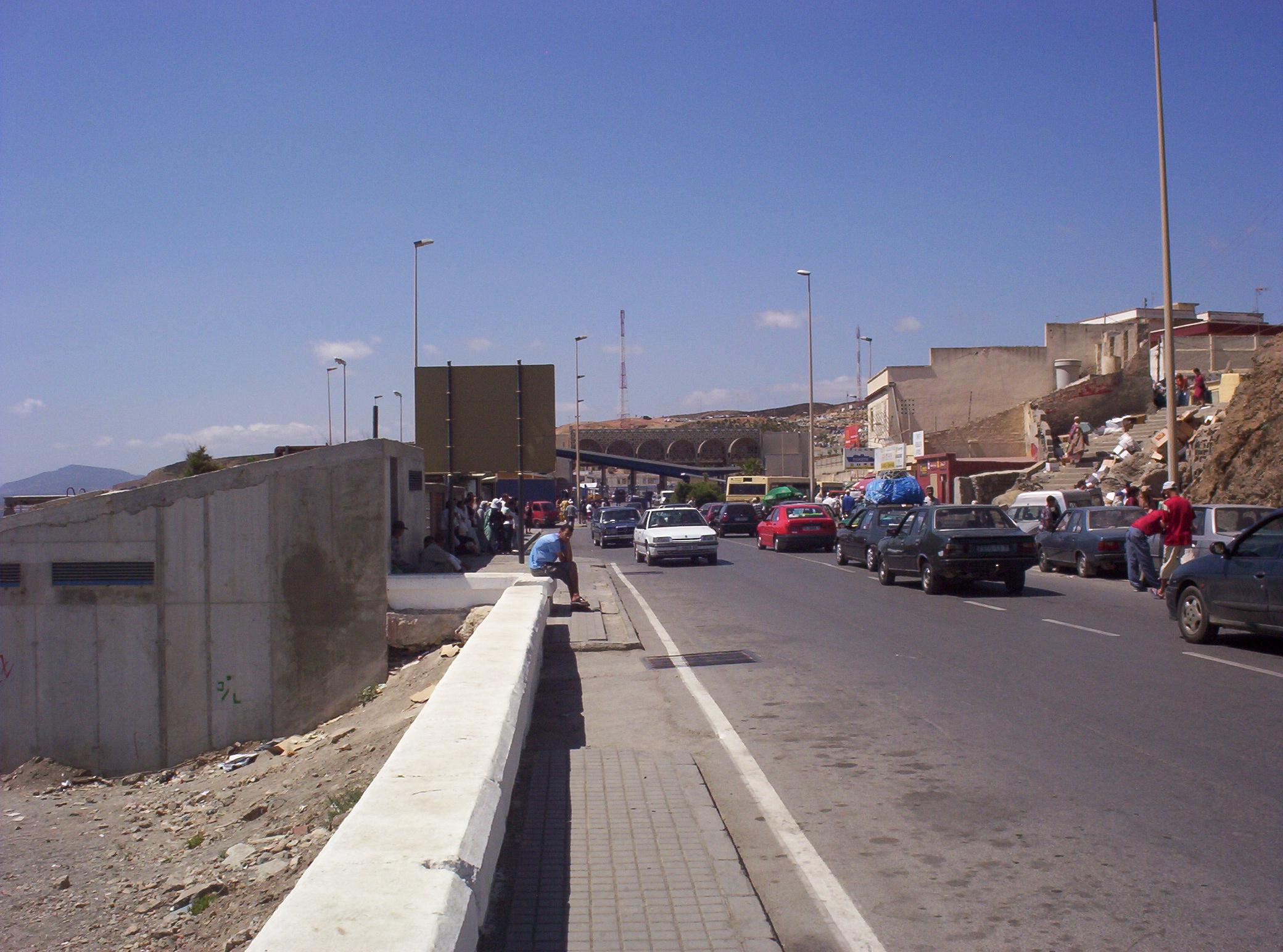
More than 50,000 migrants crossed from Morocco into the Spanish enclave of Ceuta during July 2026 [1].
The scale of the influx has overwhelmed local infrastructure and triggered a severe humanitarian crisis. The situation puts intense pressure on Spanish border security and diplomatic relations with Morocco, as authorities struggle to manage the sudden surge of people.
Reports indicate that the crossing involved thousands of migrants [2], with the highest estimates placing the number at more than 50,000 [1]. The mass movement of people has resulted in chaos at the border and reports of violence within the enclave.
Migrants said several drivers for the crossing included widespread hunger, a lack of economic opportunities in Morocco, and hostility within Morocco.
Spanish authorities have responded to the crisis by evaluating new security measures. These include the potential implementation of a floating sea barrier to deter further arrivals by water.
Ceuta, a North African enclave bordering Morocco, has long been a flashpoint for migration. The current surge is characterized by the volume of people attempting to enter the enclave simultaneously, complicating efforts to provide basic medical care, and shelter to those who have successfully crossed.
“More than 50,000 migrants crossed from Morocco into the Spanish enclave of Ceuta”
This surge highlights the fragility of border security in North Africa and the persistent socio-economic desperation driving migration toward Europe. The consideration of sea barriers suggests a shift toward more aggressive physical deterrence by Spain, which may further strain diplomatic ties with Morocco and increase the risk of humanitarian casualties at sea.


