China's total import-export volume reached a record 25.47 trillion yuan during the first half of 2026 [1].
This surge indicates a strategic shift in Beijing's economic approach as it seeks to diversify its global trade partners. By reducing reliance on traditional markets, China is attempting to insulate its economy from geopolitical volatility and regional instability.
The China Customs General Administration said that the trade volume for the period between January and June represented a 16.9% increase year-on-year [2]. The agency said the results were "remarkable achievements," though it noted that the external environment remains complex [3, 4].
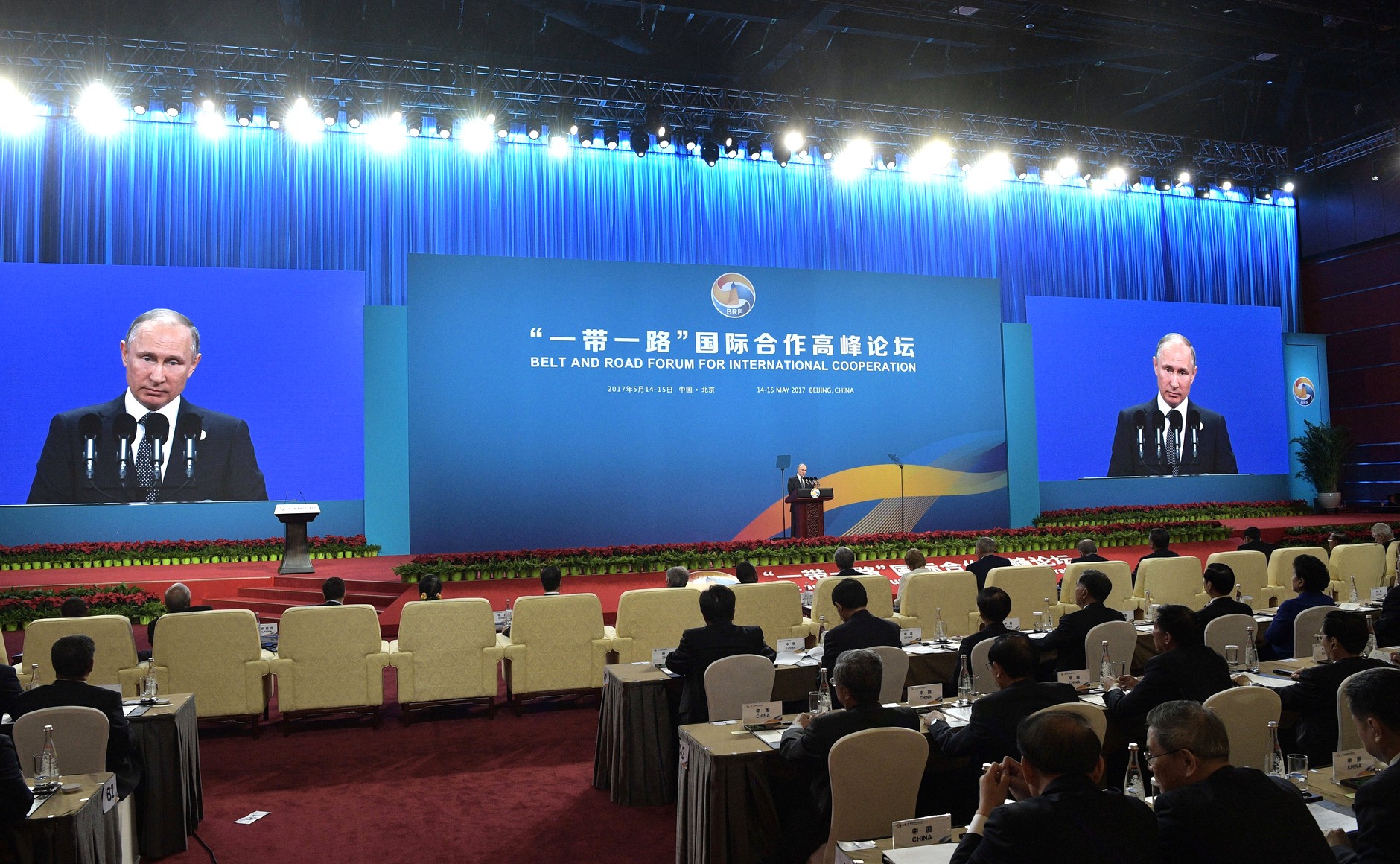
Central to this growth is the Belt-and-Road initiative. Trade with participating countries totaled 12.97 trillion yuan, accounting for 50.9% of the nation's total trade volume [5]. This reliance on partner nations across Asia, Africa, and Europe highlights the scale of China's infrastructure and investment strategy.
Beyond the Belt-and-Road corridor, customs data shows rising commerce with Latin America and Africa [6]. These regions provide critical raw materials and emerging consumer markets, further spreading China's economic footprint across the Global South.
The growth comes amid ongoing tensions in the Middle East and a challenging global political climate [6]. By expanding its network of trading partners, China aims to ensure more stable market access and supply chain resilience.
“China's total import-export volume reached a record 25.47 trillion yuan during the first half of 2026.”
The record trade volume and the heavy weighting toward Belt-and-Road nations signal China's intent to build a parallel economic ecosystem. By shifting its trade gravity toward the Global South and emerging markets, Beijing is creating a hedge against potential sanctions or trade barriers imposed by Western economies.