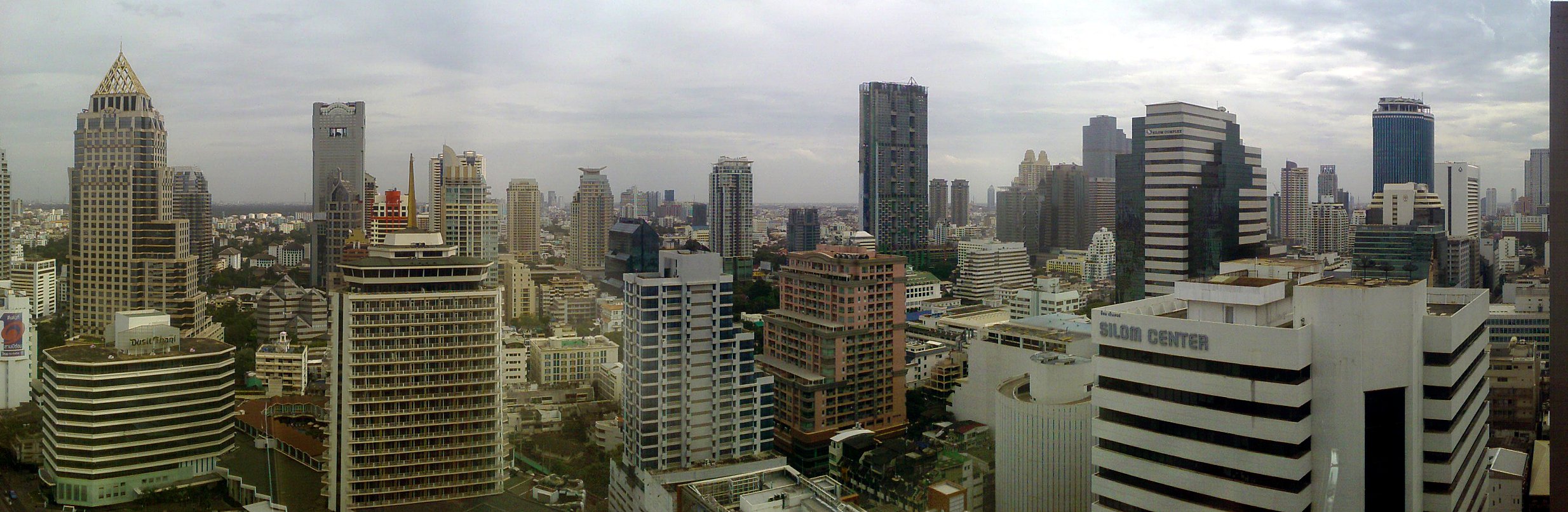
Small and medium-sized Chinese entrepreneurs in the automotive sector are showing growing interest in investing in Thailand [1].
This shift indicates a diversification of Chinese investment in Southeast Asia. While large conglomerates often lead international expansions, the entry of smaller firms suggests a broader appetite for risk and a belief in the stability of the Thai automotive ecosystem.
Poj Aramwattananont said there are growing signs that these smaller enterprises are targeting the region [1]. The interest is driven by specific investment opportunities within Thailand's established automotive market [1]. These firms are looking to leverage Thailand's position as a regional hub for vehicle production and distribution, a strategy that allows them to scale operations outside of their domestic market.
Industry observers note that the automotive sector in Thailand has long been a focal point for foreign direct investment. The current trend of small and medium-sized Chinese firms entering the fray suggests a move toward specialized niches or supply chain integration. By establishing a presence in Thailand, these entrepreneurs can better navigate regional trade agreements, and consumer preferences in the ASEAN bloc [1].
This movement comes as Chinese automotive technology continues to evolve rapidly. Small firms often provide the specialized components or innovative software solutions that larger manufacturers require, making their expansion into Thailand a strategic move to stay close to the regional production line [1].
As these entrepreneurs evaluate the landscape, the Thai government's approach to foreign investment will likely determine the pace of this expansion. The ability of small firms to integrate into the local economy will depend on regulatory clarity, and the availability of industrial space [1].
“"There are growing signs that small and medium-sized Chinese entrepreneurs in auto sectors are interested in investing in Thailand,"”
The entry of small and medium-sized Chinese firms into Thailand signals a maturing of the Chinese automotive export strategy. Rather than relying solely on a few massive brands, the industry is seeing a 'cluster' effect where the entire supply chain — including smaller specialized vendors — moves together to establish a regional stronghold. This could accelerate Thailand's transition toward new energy vehicles and further integrate the Thai economy with Chinese industrial standards.


'%2F%3E%0A%20%20%20%20%3Crect%20width%3D'1600'%20height%3D'900'%20fill%3D'url(%23v)'%2F%3E%0A%20%20%20%20%3Cg%20opacity%3D'0.08'%20fill%3D'%23ffffff'%3E%0A%20%20%20%20%20%20%3Ccircle%20cx%3D'1420'%20cy%3D'180'%20r%3D'220'%2F%3E%0A%20%20%20%20%20%20%3Ccircle%20cx%3D'1500'%20cy%3D'760'%20r%3D'120'%2F%3E%0A%20%20%20%20%3C%2Fg%3E%0A%20%20%20%20%3Cline%20x1%3D'80'%20y1%3D'172'%20x2%3D'220'%20y2%3D'172'%20stroke%3D'%23ffffff'%20stroke-width%3D'3'%20stroke-opacity%3D'0.6'%2F%3E%0A%20%20%20%20%3Ctext%20x%3D'80'%20y%3D'140'%20font-family%3D'Inter%2C%20-apple-system%2C%20Helvetica%2C%20sans-serif'%20font-weight%3D'700'%20font-size%3D'28'%20fill%3D'%23ffffff'%20letter-spacing%3D'6'%3EHANNA%20%C2%B7%20NEWS%3C%2Ftext%3E%0A%20%20%20%20%3Ctext%20x%3D'80'%20y%3D'230'%20font-family%3D'Inter%2C%20-apple-system%2C%20Helvetica%2C%20sans-serif'%20font-weight%3D'600'%20font-size%3D'40'%20fill%3D'%23ffffffb3'%20letter-spacing%3D'4'%3EWORLD%3C%2Ftext%3E%0A%20%20%20%20%3Ctext%20x%3D'80'%20y%3D'694'%20font-family%3D'Playfair%20Display%2C%20Georgia%2C%20serif'%20font-weight%3D'800'%20font-size%3D'110'%20fill%3D'%23ffffff'%20letter-spacing%3D'-1'%3ETPG%20Capital%20Retains%20Joel%3C%2Ftext%3E%3Ctext%20x%3D'80'%20y%3D'820'%20font-family%3D'Playfair%20Display%2C%20Georgia%2C%20serif'%20font-weight%3D'800'%20font-size%3D'110'%20fill%3D'%23ffffff'%20letter-spacing%3D'-1'%3EThickins%20After%20Guilty%20Plea%3C%2Ftext%3E%0A%20%20%20%20%3Ctext%20x%3D'80'%20y%3D'870'%20font-family%3D'Inter%2C%20-apple-system%2C%20Helvetica%2C%20sans-serif'%20font-weight%3D'500'%20font-size%3D'22'%20fill%3D'%23ffffff66'%20letter-spacing%3D'2'%3Enews.hanna-ai.com%3C%2Ftext%3E%0A%20%20%3C%2Fsvg%3E)