Veteran striker Edin Džeko intends to make Bosnia and Herzegovina proud at the 2026 FIFA World Cup after the team qualified this week [1].
The victory marks a significant sporting achievement for a nation that has faced political and sporting difficulties, while simultaneously knocking a traditional powerhouse out of the tournament [1, 2].
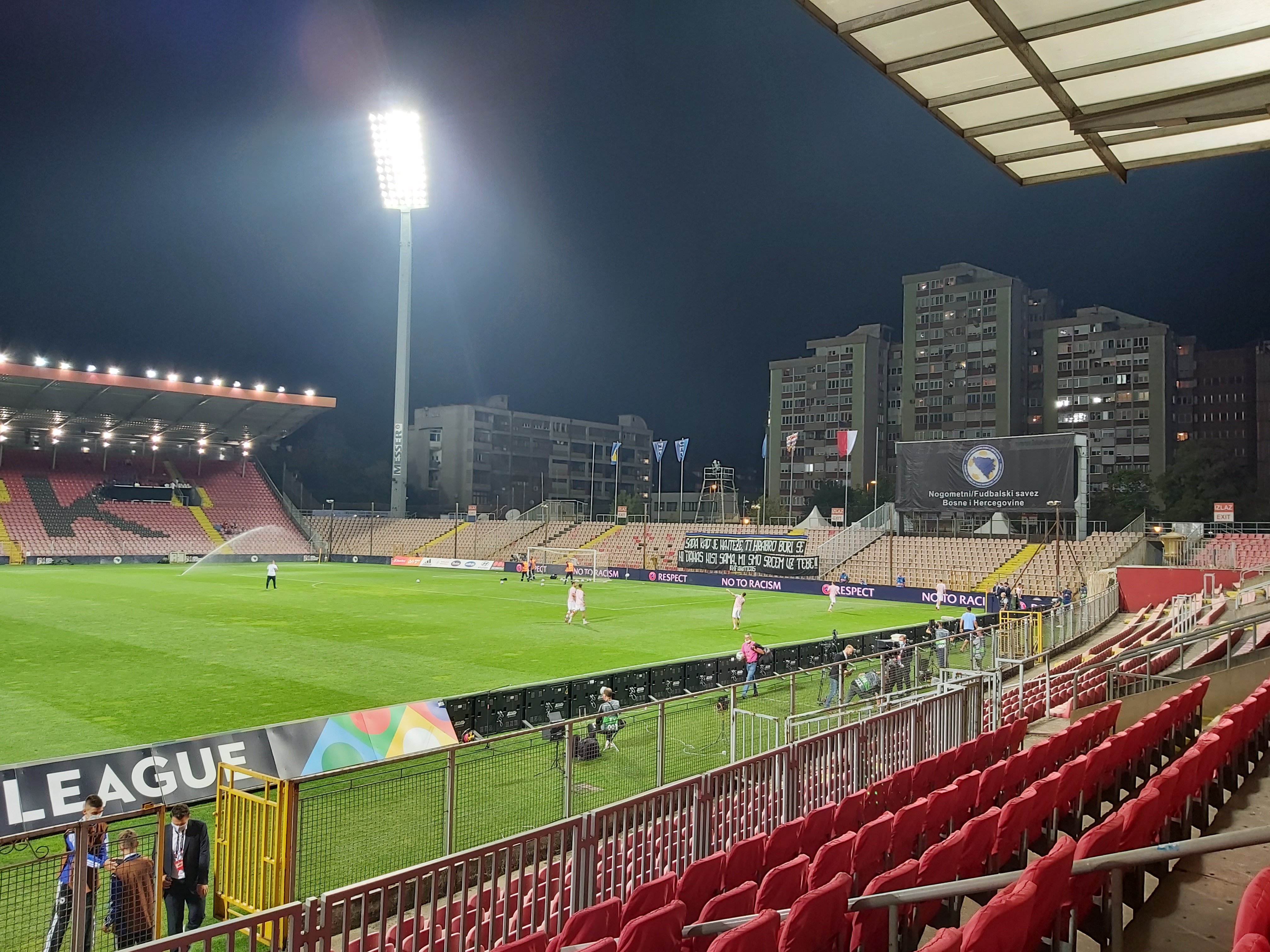
Bosnia and Herzegovina secured their place in the tournament at the Bilino Polje Stadion in Zenica [3, 4]. The play-off final ended in a 1-1 draw after extra time, but Bosnia and Herzegovina won four-one on penalties [5]. The result means Italy has now missed its third consecutive World Cup [5].
This qualification represents the second appearance ever for Bosnia and Herzegovina, and their first since 2014 [6]. Both Bosnia and Herzegovina and Italy had missed the 2018 and 2022 tournaments [7].
Džeko, a legendary figure for the national team, expressed his desire to lead the squad on the global stage [1]. The team has already submitted a 26-man roster for the upcoming tournament [6].
The atmosphere in Zenica reflected the weight of the moment as the veteran striker looked toward the competition in North America [1, 3]. Džeko said he wants to bring pride to his country during the event [1].
“Bosnia and Herzegovina reached the World Cup for the first time since 2014.”
The qualification of Bosnia and Herzegovina at the expense of Italy represents a significant shift in European football dynamics. While Italy's repeated failure to qualify signals a period of instability for the former world champion, Bosnia's return to the World Cup provides a rare moment of national unity and visibility for a country often defined by its internal political struggles.