
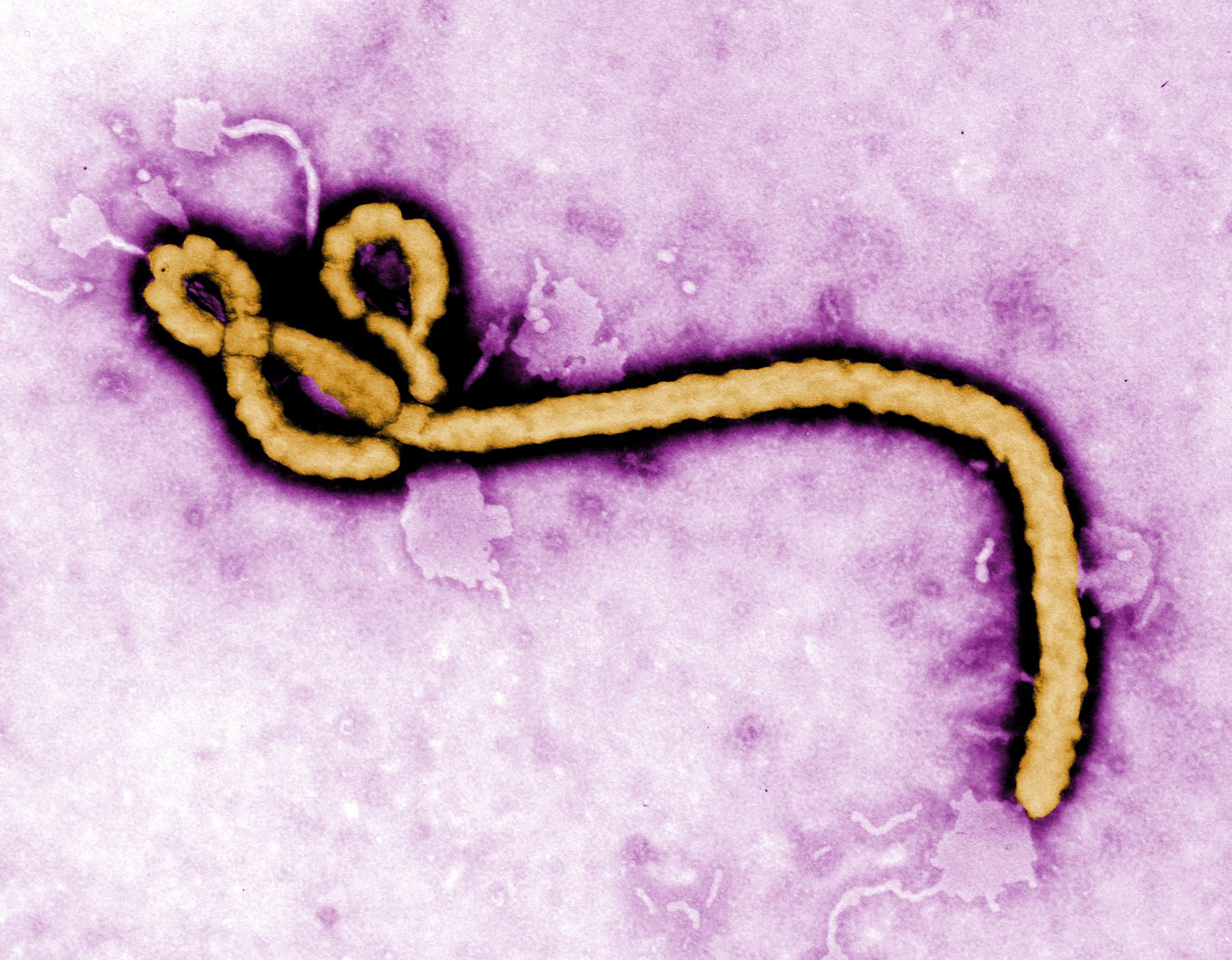
Dr. Craig Spencer said Monday that a new Ebola outbreak in Central Africa poses serious risks to healthcare workers and public health responses [1].
As a survivor of the 2014 outbreak, Spencer's warnings underscore the vulnerability of medical staff who face high infection risks while managing rapidly spreading viruses. His perspective highlights the critical need for stringent safety protocols to prevent the collapse of local health systems during an emergency.
The outbreak is centered in the Democratic Republic of Congo and neighboring Uganda [2, 3]. Health officials have reported 116 suspected deaths [2]. Data on the total number of infections varies among sources, with some reporting nearly 500 suspected cases [3] and others noting more than 300 reported cases [4].
Spencer, a U.S. medical missionary, said he is concerned for those treating the sick. "We are very concerned about the safety of healthcare workers on the front lines of this outbreak," Spencer said [5].
The medical professional also touched upon the psychological and physical toll of the virus. "I survived Ebola and there's one aspect of killer disease that is truly horrifying," Spencer said [6].
Frontline workers are currently at high risk because the virus is spreading quickly through the region [7, 8]. The situation has prompted international attention as the World Health Organization has declared the outbreak a global health emergency [2].
“We are very concerned about the safety of healthcare workers on the front lines of this outbreak”
The recurrence of Ebola in the Democratic Republic of Congo and Uganda demonstrates the persistent challenge of containing viral hemorrhagic fevers in Central Africa. Because healthcare workers are the primary defense against such outbreaks, any increase in provider infections can lead to a systemic failure in containment, potentially accelerating the spread to neighboring regions.


