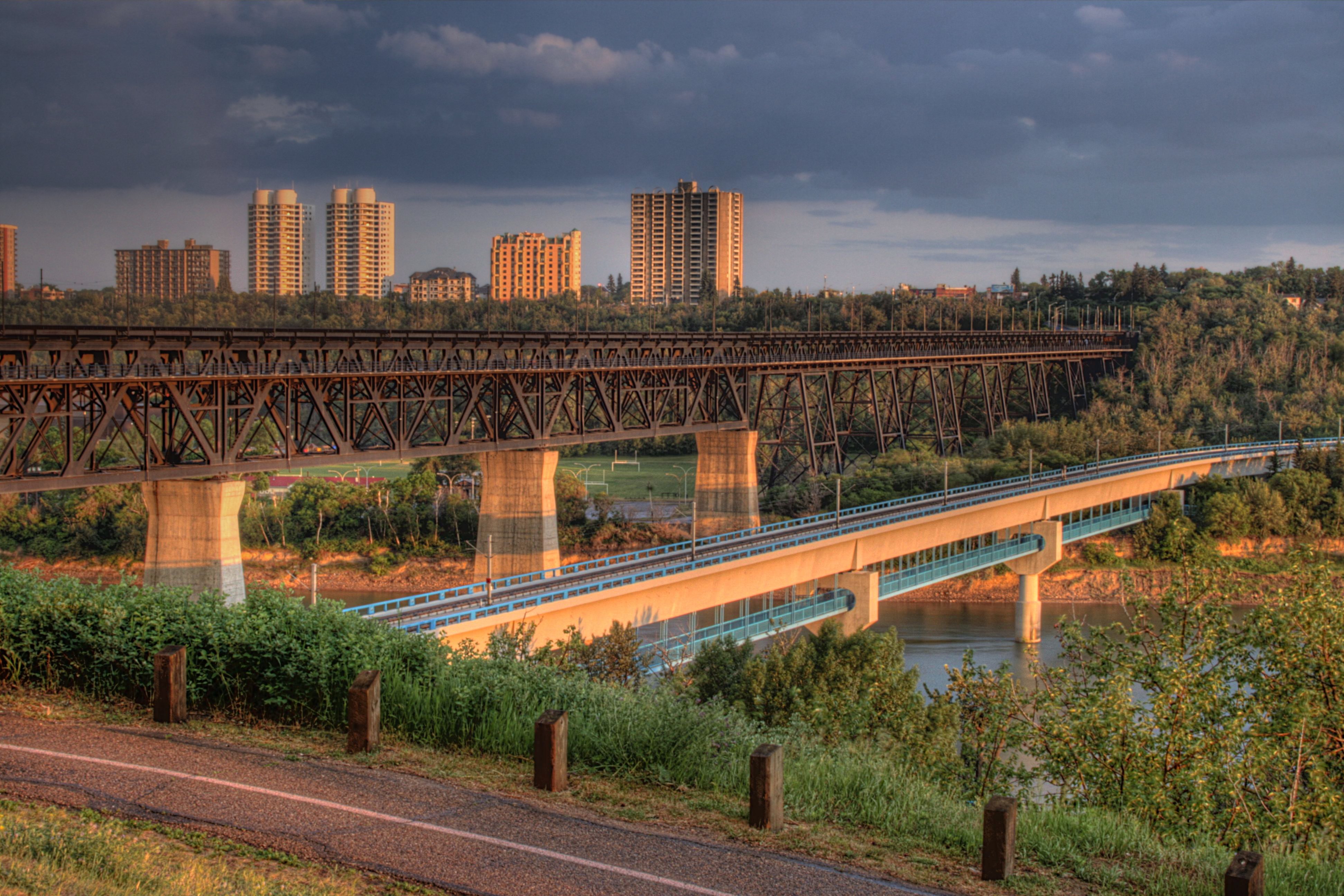
City of Edmonton officials have closed 137 Avenue and a portion of the High Level Bridge following record-breaking rainfall in June 2024 [1], [2].
These closures highlight the immediate impact of extreme weather on urban infrastructure. The erosion of riverbanks and slopes has created unstable ground, posing a direct safety risk to motorists and pedestrians in the Alberta capital.
The closure of 137 Avenue extends from Starling Drive to 199 Street [1]. Officials said the road was unsafe for travel after intense precipitation triggered slope instability [2]. This stretch of road serves as a key corridor, and its closure forces traffic to divert while engineers assess the damage.
Simultaneously, the sidewalk on the southeast side of the High Level Bridge is closed [2]. The city said that heavy rain eroded the riverbank slope, compromising the structural integrity of the walkway [2]. This bridge is a primary landmark and transit point, making the loss of pedestrian access a significant disruption.
The weather events of June 2024 were historic for the region. Edmonton set a June rainfall record during this period [3]. The volume of water saturated the soil and increased runoff, which led to the rapid erosion of the slopes supporting the city's transportation networks [2], [3].
City crews are monitoring the affected areas to determine the necessary repairs. While the specific volume of rainfall was not detailed in the reports, the resulting damage was sufficient to trigger emergency closures of both a major roadway and a critical bridge walkway [1], [2].
“Edmonton set a June rainfall record”
The intersection of record-breaking precipitation and aging or vulnerable infrastructure suggests that Edmonton may face increasing maintenance costs as extreme weather events become more frequent. These closures demonstrate how localized slope failure can disrupt city-wide transit, signaling a need for enhanced riverbank stabilization and updated drainage systems to prevent future infrastructure collapses.