
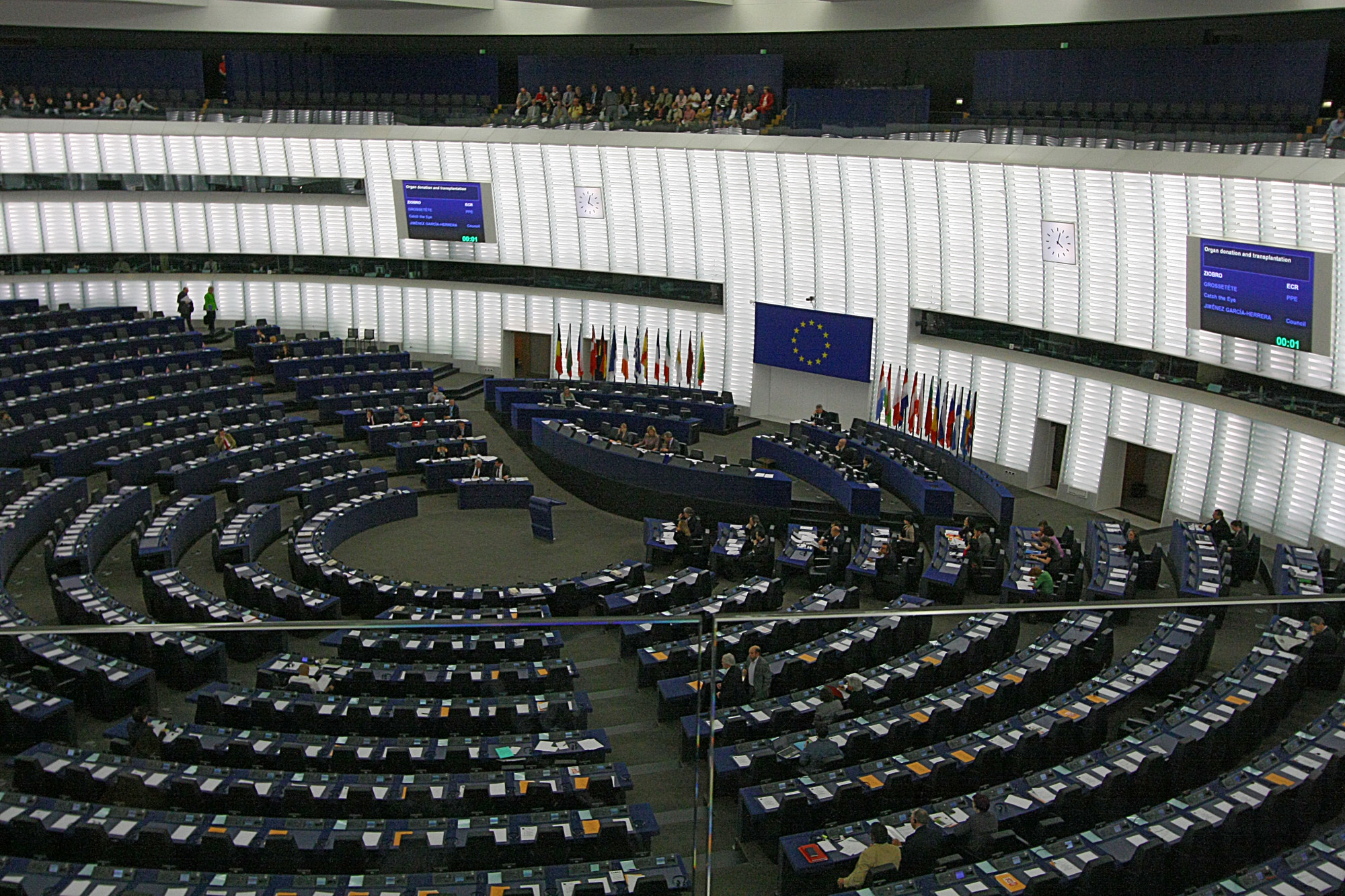
The European Parliament and the Council of the European Union failed to reach an agreement on air-passenger rights legislation overnight [1, 2].
The deadlock stalls a significant overhaul of how the bloc protects travelers during flight disruptions. The outcome of these negotiations will determine the legal standards for compensation and care that airlines must provide to millions of passengers across Europe.
Negotiators in Brussels disagreed primarily over the scope of the contentious law [1, 2]. While both institutions aim to modernize the framework, they have not yet found common ground on the specific boundaries and applications of the proposed reforms.
Despite the lack of a deal this week, the process has not collapsed. Representatives from the Parliament and the Council said they will resume talks on Monday [1, 2].
The current impasse reflects a broader struggle within EU institutions to balance consumer protections against the operational constraints of the aviation industry. The failure to secure an agreement overnight prevents the immediate implementation of new standards that would govern passenger rights across the member states [1, 2].
Officials are expected to return to the table early next week to address the remaining points of contention. The goal remains a unified set of rules that can be applied consistently throughout the European Union [1, 2].
“The European Parliament and the Council of the European Union failed to reach an agreement on air-passenger rights legislation overnight.”
The inability to reach a consensus highlights a persistent tension between the European Parliament's push for stronger consumer safeguards and the Council's focus on industry viability. Because air travel is a critical infrastructure component for the single market, a prolonged delay in these reforms could leave passengers with outdated protections while airlines face regulatory uncertainty.


