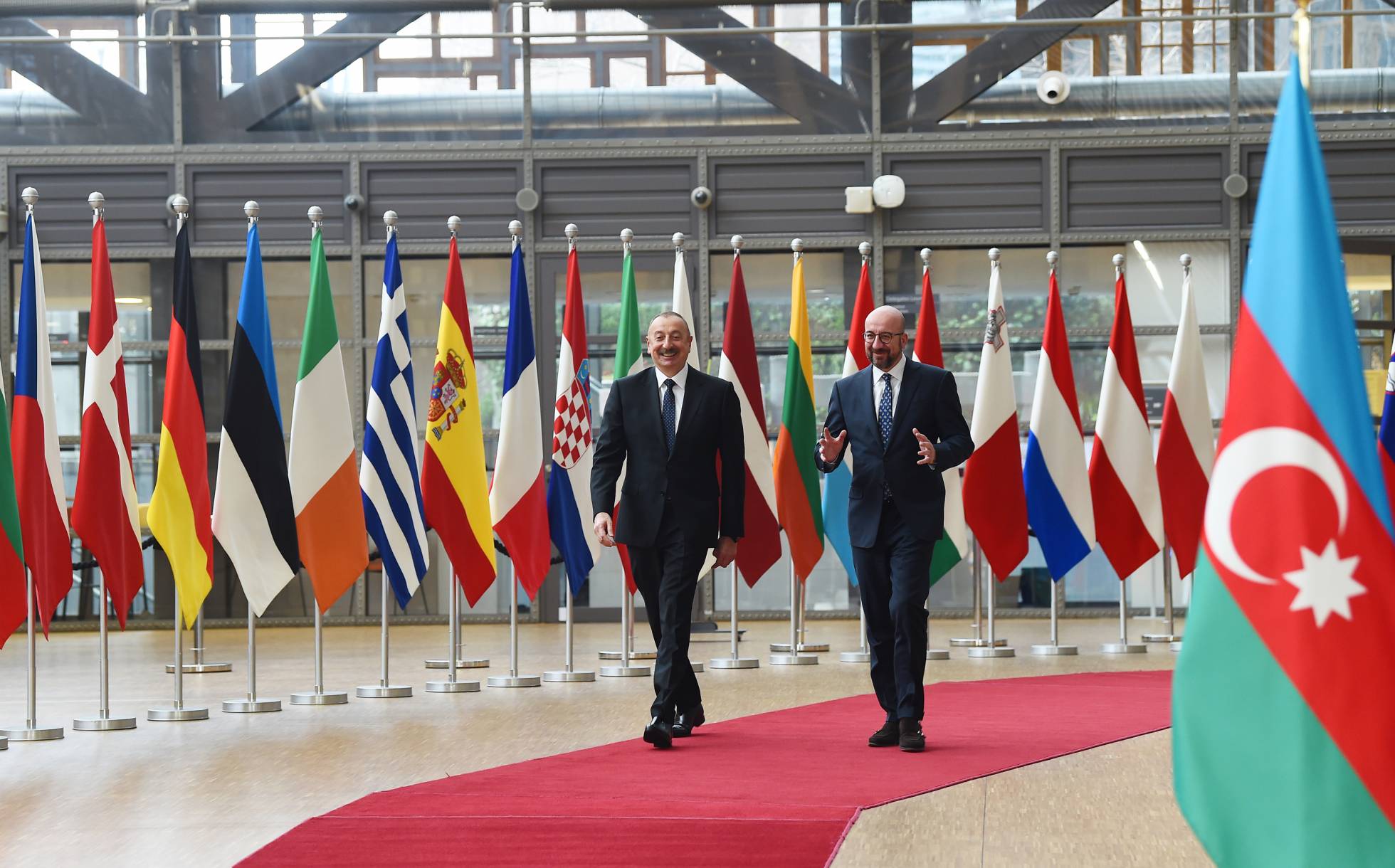
European Union member states and officials are debating new enlargement rules to determine how candidate countries join the bloc [1].
This debate is critical as the EU seeks to balance the need for strict legal alignment with the political urgency of integrating Western Balkan nations and Ukraine. The process is happening under the EU presidency held by Ireland [3].
Discussions took place during a meeting of EU foreign ministers in Brussels earlier this month [1]. The talks occur ahead of a Western Balkans summit scheduled for later in the year [1].
European Council President António Costa said the bloc needs to accelerate enlargement to show Western Balkan partners that the EU is serious [2]. Costa said he backs a simplification of the accession rules to speed up the process [2].
However, other member states are pushing for a more strategic and stricter approach [5]. These officials said they want tougher criteria and consequences for non-compliance, specifically as the EU tightens migration rules [5].
Enlargement Commissioner Marta Kos said that enlargement is the priority for the European Union. She said that if candidates deliver, then the EU has to deliver, too [1].
The shift in strategy follows the security shock caused by Russia's invasion of Ukraine in 2022 [4]. That event prompted a security-focused rethink of how the bloc expands [4]. This urgency is reflected in the goals of candidate nations, as Ukraine has set a target to join the EU by 2027 [3].
The current tension remains between those who view simplification as a tool for political stability and those who view strict adherence to EU laws as the only way to ensure the bloc's long-term functionality.
“"Enlargement is the priority for the European Union, and if our candidates deliver, then we have to deliver, too."”
The EU is facing a fundamental tension between geopolitical necessity and institutional integrity. While the 2022 invasion of Ukraine [4] created a strategic imperative to expand the bloc's borders for security reasons, the internal disagreement over 'simplification' versus 'tightening' suggests a fear that rapid expansion without strict compliance could destabilize the EU's legal and migration frameworks.


