A record-breaking heatwave across western Europe has triggered a rare red heat warning in the UK and caused major power outages in France.
The severity of the weather system threatens critical infrastructure and public safety as temperatures reach levels that exceed the capacity of regional power grids. This event marks a significant escalation in summer weather volatility for the region.
The UK Met Office issued a red warning, the highest alert level, for the first time this summer [1]. A spokesperson for the Met Office said, "We have issued a red warning, the highest level, for the first time this summer due to unprecedented temperatures" [1].
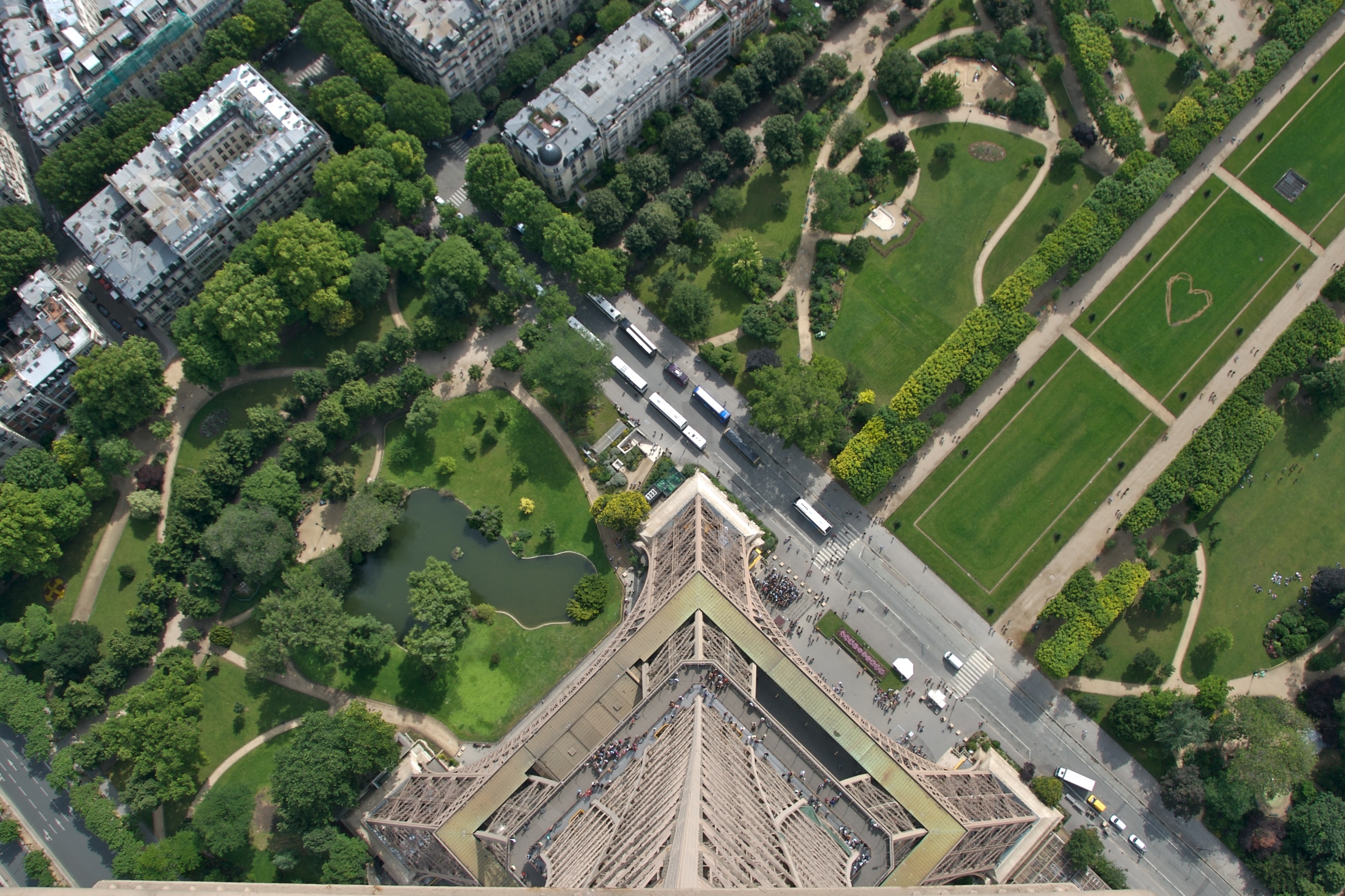
In France, the heat has severely stressed the electrical grid. An EDF spokesperson said that around 68,000 homes [2] in western France were without power as the grid struggled with the heat [2]. The extreme weather also forced the partial closure of the Eiffel Tower in Paris [3].
Temperatures in parts of France are forecast to reach as high as 43 °C [3], though some reports place the peak near 40 °C [3]. The heatwave, which intensified on June 18, 2026 [4], is driven by an intense omega-block high-pressure system [5]. Experts note that global warming has made this specific heatwave two to four °C worse [4].
The extreme heat has also led to a rise in fatalities. Prime Minister Sébastien Lecornu addressed the danger of seeking relief in natural waterways after 40 young people died from drowning in the past week [6]. Lecornu said, "The tragic loss of 40 young people underscores the danger of swimming in rivers during this heat" [6].
“Around 68,000 homes are currently without power in western France as the grid struggles with the heat.”
The occurrence of an 'omega-block' system combined with the 2-4 °C increase attributed to climate change suggests that European infrastructure is increasingly unable to cope with new temperature baselines. The simultaneous failure of power grids and the necessity of closing major landmarks like the Eiffel Tower indicate that traditional urban cooling and energy strategies may be insufficient for future summer peaks.


