Federal Reserve Chairman Kevin Warsh testified before the House Committee on Financial Services on Tuesday morning to address U.S. inflation and monetary policy.
The testimony marks a critical moment for the central bank as it seeks to stabilize the economy without triggering a recession. Warsh's appearance provides a public benchmark for how the Federal Reserve intends to manage price stability under new leadership.
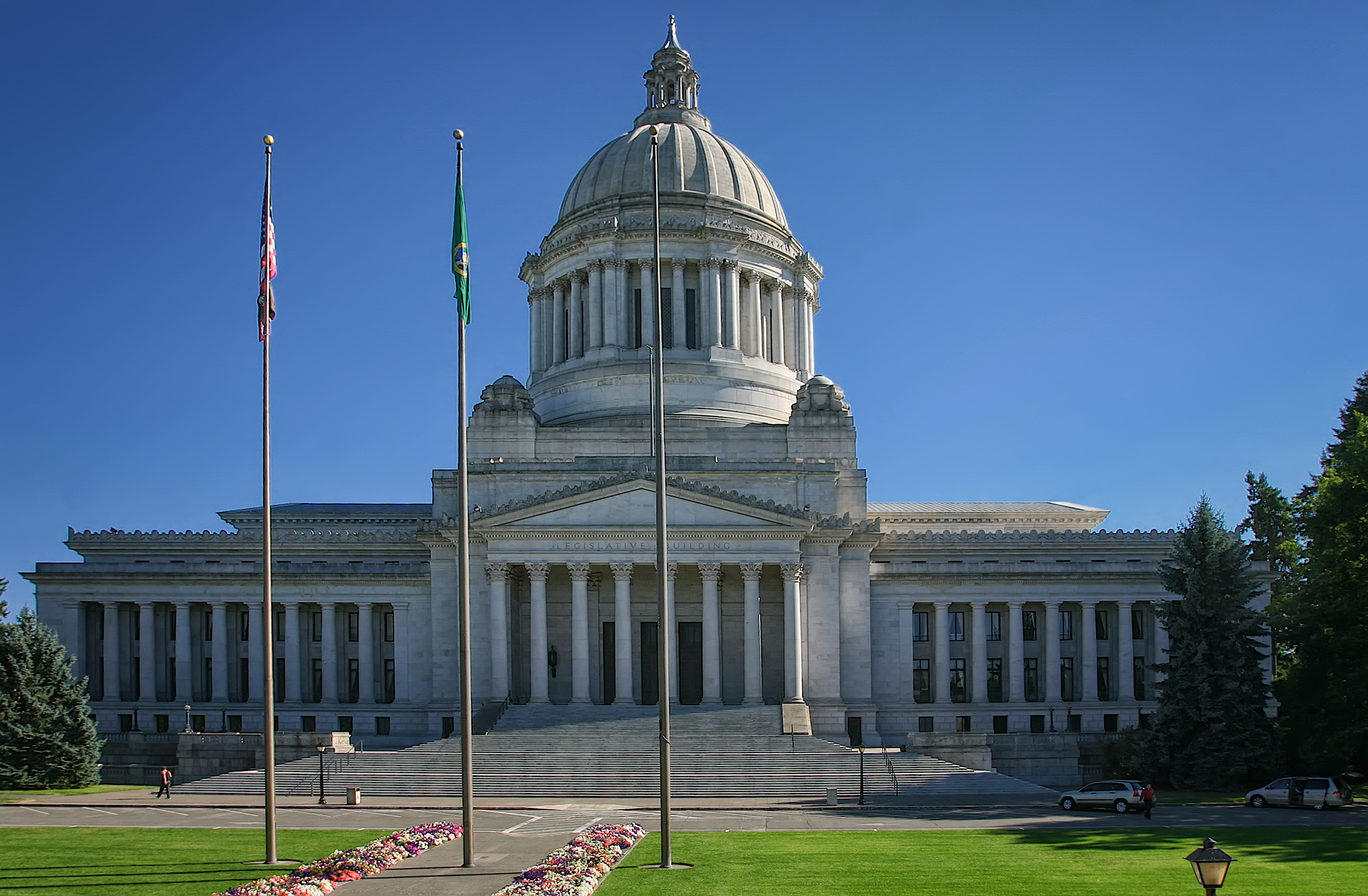
Warsh, who is the 17th Chair of the Federal Reserve [1], delivered the legally required Semiannual Monetary Policy Report at the U.S. Capitol in Washington, D.C. [2]. During the proceedings, he said that the central bank remains vigilant regarding the cost of living and price volatility.
"The Fed will not accept persistently elevated inflation," Warsh said [3].
Despite some positive indicators in recent economic data, Warsh cautioned lawmakers against complacency. He said that the current trajectory of the economy requires continued discipline to ensure long-term stability.
"Latest improvement on inflation isn’t ‘mission accomplished,’" Warsh said [4].
The hearing focused on the state of the U.S. economy and the specific mechanisms the Federal Reserve will use to reach its inflation targets. Lawmakers questioned the Chair on the timing of potential policy shifts and the impact of current interest rates on consumer spending.
Warsh said that the Federal Reserve would maintain its commitment to its dual mandate of maximum employment and stable prices. He suggested that the path to price stability remains complex—a challenge that requires a steady hand at the helm of the nation's most powerful economic institution.
This appearance serves as the first formal interaction between the new Fed Chair and the House Financial Services Committee [5].
“"The Fed will not accept persistently elevated inflation."”
The testimony signals that the Federal Reserve will maintain a hawkish stance toward inflation even if short-term data shows improvement. By explicitly rejecting the idea of 'mission accomplished,' Warsh is managing market expectations to prevent premature easing of monetary policy, which could risk a resurgence of price hikes.


