
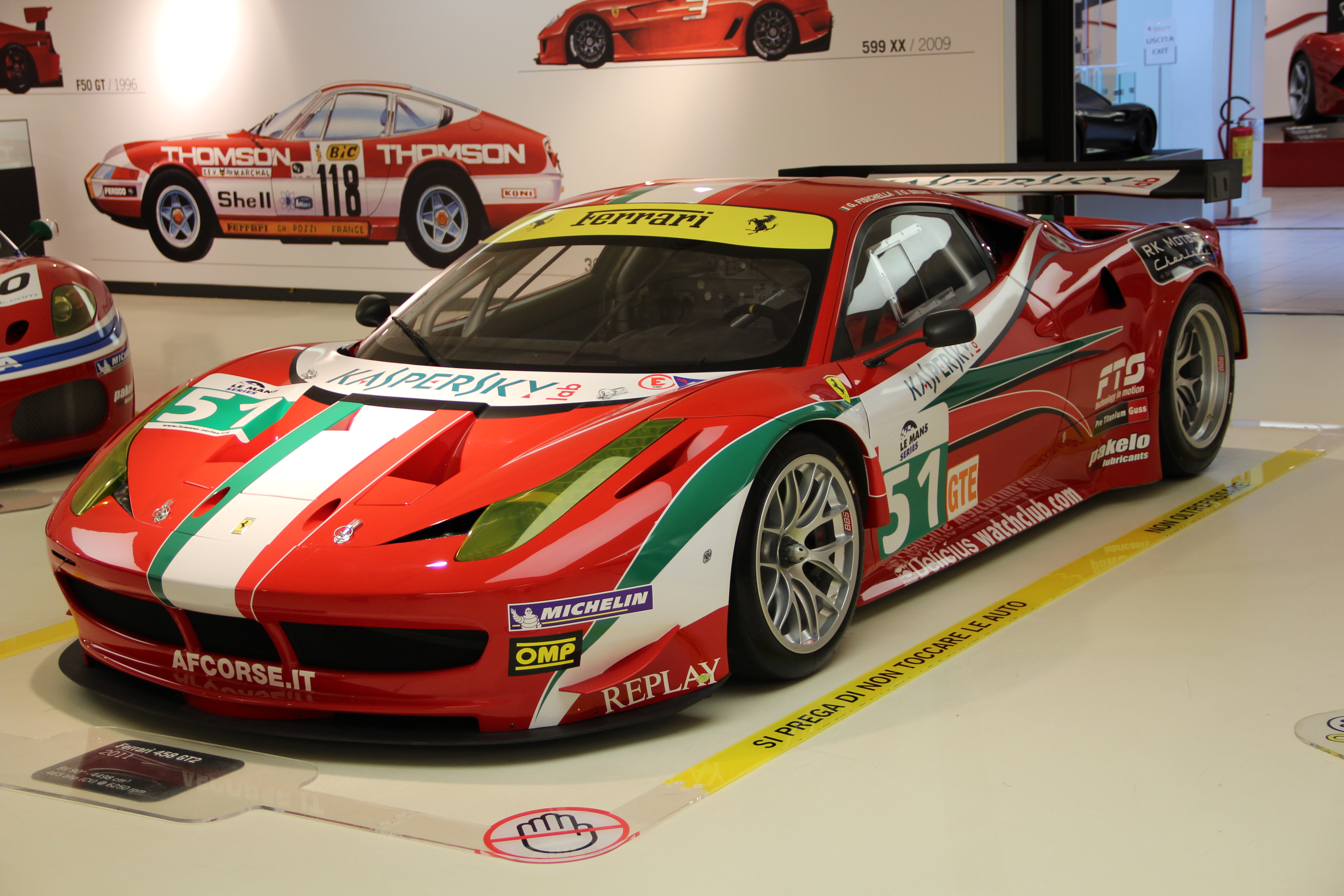
Ferrari unveiled its first fully electric car, the Luce model, on Monday [1].
The move signals a pivotal shift for the Italian sports car maker as it attempts to maintain its luxury standing against a changing global automotive landscape. The decision comes amid intense pressure from Chinese electric-vehicle manufacturers and growing concerns regarding the stability and growth of the luxury EV sector [1, 2].
The Luce is a five-seat vehicle designed to bridge the gap between traditional supercar performance and sustainable technology [4]. According to technical specifications, the car offers a driving range of more than 329 miles on a full charge [3].
Pricing for the new model varies by market. Some reports list the price at £500,000 [3], while other sources cite a cost of $640,000 [5]. This pricing strategy positions the Luce at the top end of the luxury market, a segment where brand prestige is as critical as battery efficiency.
Ferrari has long been known for its internal combustion engines, which define the auditory and mechanical experience of its vehicles. The transition to an electric powertrain represents a significant departure from the company's heritage. By entering the EV space, Ferrari aims to capture a new demographic of wealthy buyers who prioritize environmental sustainability without sacrificing the exclusivity of the brand [1, 2].
The unveiling follows a period of strategic silence from the company regarding its electrification timeline. The Luce serves as the centerpiece of a broader effort to modernize the fleet while resisting the trend of mass-market electrification. The company is focusing on a limited production run to ensure the vehicle remains a rare asset for collectors [4].
“Ferrari unveiled its first fully electric car, the Luce model, on Monday.”
Ferrari's entry into the electric market is a defensive and offensive maneuver. By launching the Luce, the company is protecting its market share from aggressive Chinese luxury EV brands that are expanding globally. Furthermore, it validates the viability of high-end electric supercars, proving that the 'ultra-luxury' segment can transition away from gasoline without losing its appeal to the world's wealthiest consumers.


'%2F%3E%0A%20%20%20%20%3Crect%20width%3D'1600'%20height%3D'900'%20fill%3D'url(%23v)'%2F%3E%0A%20%20%20%20%3Cg%20opacity%3D'0.08'%20fill%3D'%23ffffff'%3E%0A%20%20%20%20%20%20%3Ccircle%20cx%3D'1420'%20cy%3D'180'%20r%3D'220'%2F%3E%0A%20%20%20%20%20%20%3Ccircle%20cx%3D'1500'%20cy%3D'760'%20r%3D'120'%2F%3E%0A%20%20%20%20%3C%2Fg%3E%0A%20%20%20%20%3Cline%20x1%3D'80'%20y1%3D'172'%20x2%3D'220'%20y2%3D'172'%20stroke%3D'%23ffffff'%20stroke-width%3D'3'%20stroke-opacity%3D'0.6'%2F%3E%0A%20%20%20%20%3Ctext%20x%3D'80'%20y%3D'140'%20font-family%3D'Inter%2C%20-apple-system%2C%20Helvetica%2C%20sans-serif'%20font-weight%3D'700'%20font-size%3D'28'%20fill%3D'%23ffffff'%20letter-spacing%3D'6'%3EHANNA%20%C2%B7%20NEWS%3C%2Ftext%3E%0A%20%20%20%20%3Ctext%20x%3D'80'%20y%3D'230'%20font-family%3D'Inter%2C%20-apple-system%2C%20Helvetica%2C%20sans-serif'%20font-weight%3D'600'%20font-size%3D'40'%20fill%3D'%23ffffffb3'%20letter-spacing%3D'4'%3EBUSINESS%3C%2Ftext%3E%0A%20%20%20%20%3Ctext%20x%3D'80'%20y%3D'622'%20font-family%3D'Playfair%20Display%2C%20Georgia%2C%20serif'%20font-weight%3D'800'%20font-size%3D'86'%20fill%3D'%23ffffff'%20letter-spacing%3D'-1'%3EIndia%20and%20Vietnam%20Link%3C%2Ftext%3E%3Ctext%20x%3D'80'%20y%3D'721'%20font-family%3D'Playfair%20Display%2C%20Georgia%2C%20serif'%20font-weight%3D'800'%20font-size%3D'86'%20fill%3D'%23ffffff'%20letter-spacing%3D'-1'%3EDigital%20Payment%20Systems%20to%3C%2Ftext%3E%3Ctext%20x%3D'80'%20y%3D'820'%20font-family%3D'Playfair%20Display%2C%20Georgia%2C%20serif'%20font-weight%3D'800'%20font-size%3D'86'%20fill%3D'%23ffffff'%20letter-spacing%3D'-1'%3EBoost%20Tourism%3C%2Ftext%3E%0A%20%20%20%20%3Ctext%20x%3D'80'%20y%3D'870'%20font-family%3D'Inter%2C%20-apple-system%2C%20Helvetica%2C%20sans-serif'%20font-weight%3D'500'%20font-size%3D'22'%20fill%3D'%23ffffff66'%20letter-spacing%3D'2'%3Enews.hanna-ai.com%3C%2Ftext%3E%0A%20%20%3C%2Fsvg%3E)