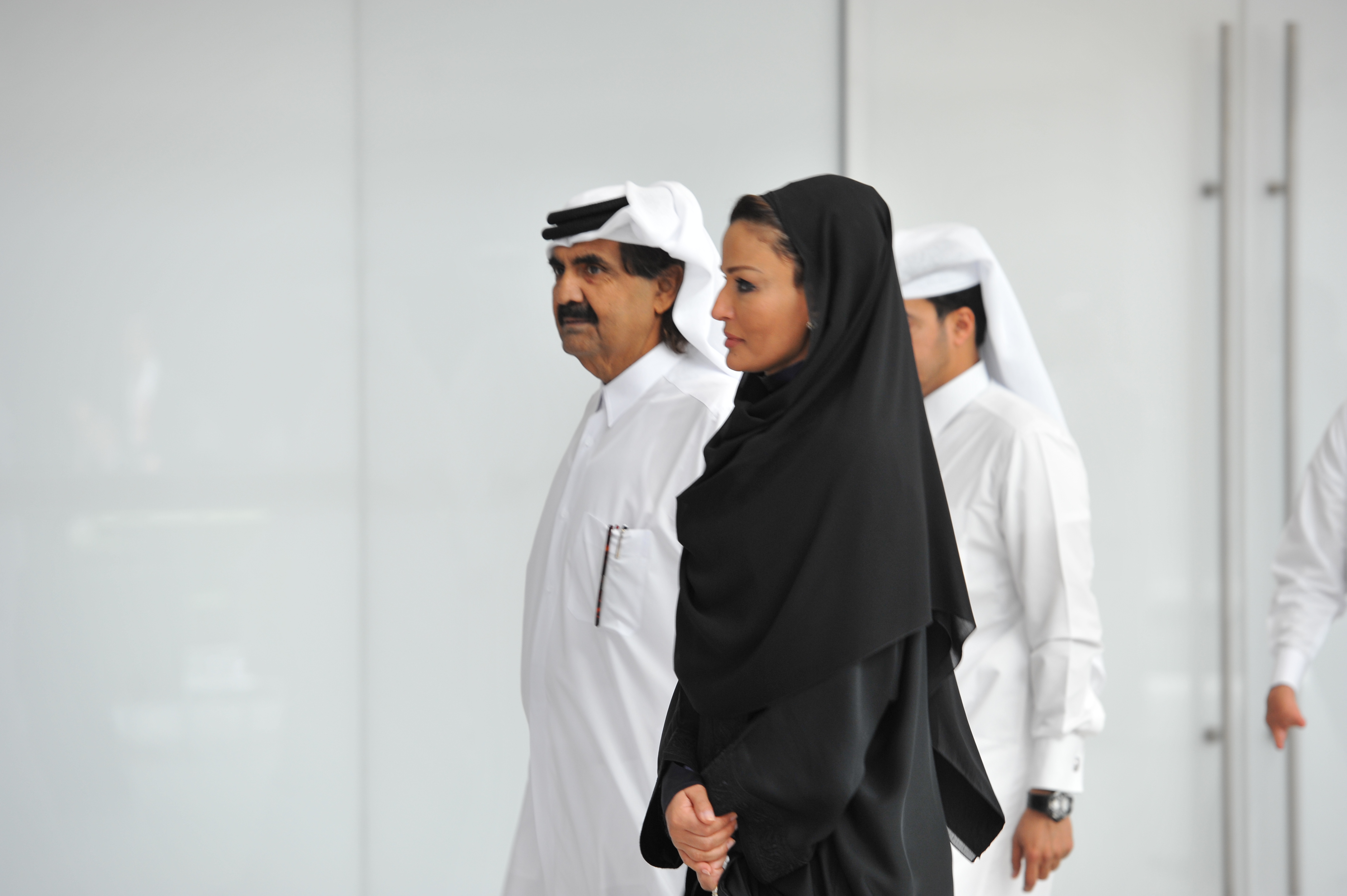
Thousands of people gathered in Doha on July 12, 2026, to bid farewell and hold funeral prayers for former Emir Sheikh Hamad bin Khalifa Al Thani [1].
The death of the former ruler marks the end of an era for a leader who fundamentally shifted Qatar's role in international diplomacy and finance. His influence extended far beyond the borders of the peninsula, establishing the state as a key mediator in global conflicts.
Sheikh Hamad died at age 74 [2]. Mourners filled the streets of the capital before the procession moved toward the Lusail Cemetery for burial [3]. The scale of the gathering reflected the public's recognition of his role as the "Father Emir."
He led the country for 18 years [1]. While some records indicate his rule spanned from 1995 to 2013 [4], other reports suggest he took power in 1996 following a bloodless coup [4]. Regardless of the exact start date, his tenure was defined by a rapid modernization of the state's infrastructure and economy.
During his time in power, the former Emir focused on diversifying the economy and expanding the nation's soft power through media and sports. This strategy aimed to protect the small state by making it indispensable to the global community.
"Sheikh Hamad bin Khalifa Al Thani reshaped Qatar into a global diplomatic, economic, and media power," Mohammad Saleh of Al Jazeera English said [5].
The funeral prayers in Doha served as a final tribute to a leader who navigated the complexities of Middle Eastern politics while aggressively pursuing growth. The event brought together citizens and officials to honor the legacy of a man who redefined the national identity for the modern age.
“Sheikh Hamad bin Khalifa Al Thani reshaped Qatar into a global diplomatic, economic, and media power.”
The passing of Sheikh Hamad bin Khalifa Al Thani closes the chapter on the primary architect of modern Qatar. By leveraging natural gas wealth to fund diplomatic initiatives and global media ventures, he transitioned the country from a regional player to a global heavyweight. His legacy remains embedded in the state's current strategy of utilizing high-profile investments and mediation to ensure national security and international relevance.


