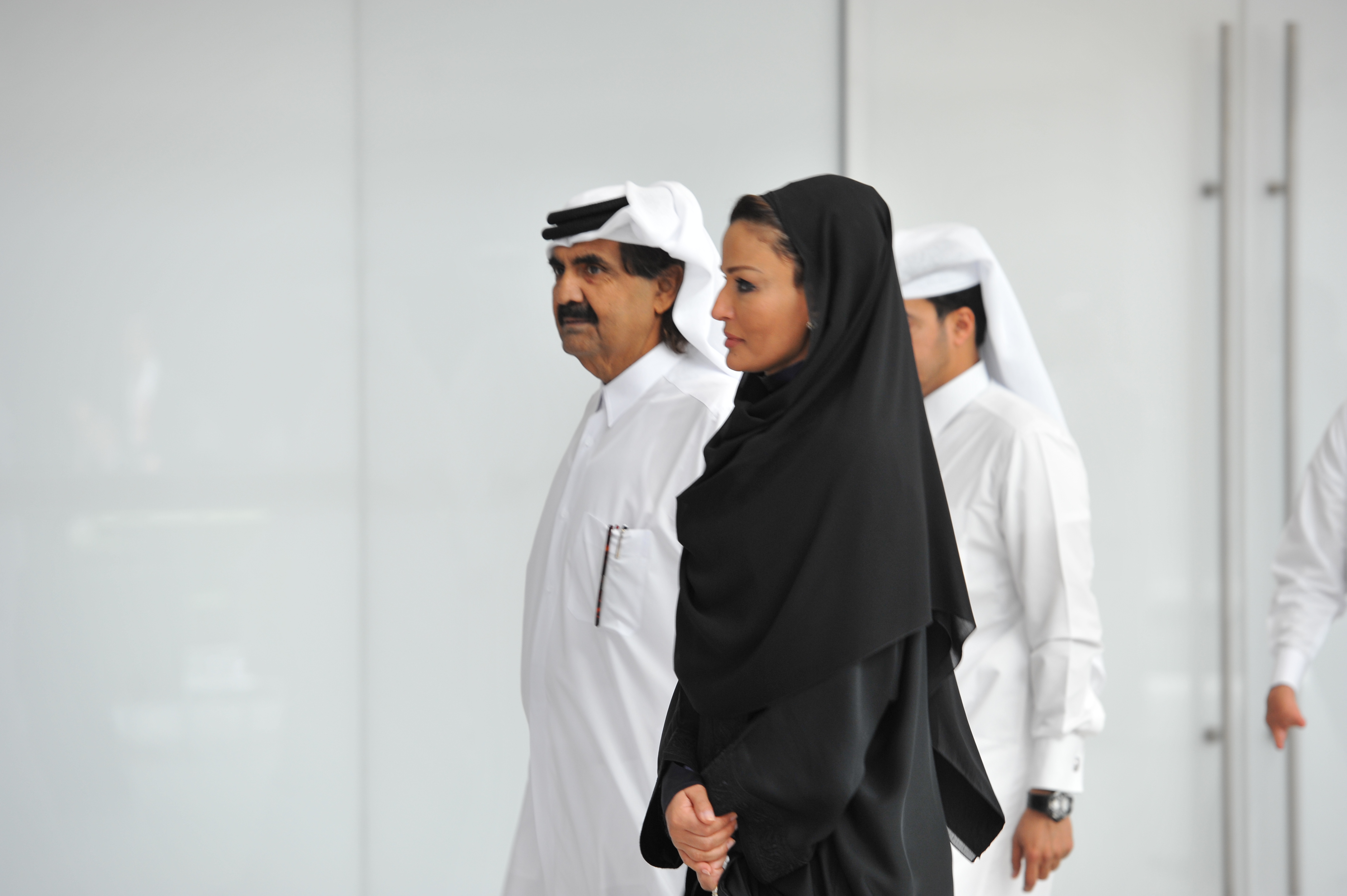
Sheikh Hamad bin Khalifa Al Thani, the former emir of Qatar, died Sunday at age 74 [2, 3].
His death marks the end of an era for a leader who fundamentally altered the geopolitical landscape of the Middle East. By leveraging media and diplomacy, he transformed a small Gulf state into a global power with significant diplomatic influence.
Sheikh Hamad seized power in 1995 [4]. During his tenure, he focused on modernizing the nation's international profile and expanding its reach beyond traditional regional boundaries. He held power for 18 years before handing the leadership to his son [4].
One of his most enduring legacies was the launch of the Al Jazeera Media Network in 1996 [1]. He created the network to provide Qatar with an outsized voice in Arab and global media [5]. The network became known for its independent legacy, and its role in challenging established narratives across the region.
Throughout his time as ruler, the Father Emir worked to integrate Qatar into the global economy. This strategy involved diversifying the nation's interests, and establishing a presence in international affairs that far exceeded the country's physical size.
He is remembered as a modernizer who navigated the complexities of Gulf politics to ensure his country's sovereignty and relevance on the world stage [2]. His influence remained present in Qatari policy even after he stepped down from the throne.
“Sheikh Hamad bin Khalifa Al Thani died Sunday at age 74.”
The death of Sheikh Hamad signifies the passing of the primary architect of Qatar's 'soft power' strategy. By establishing Al Jazeera, he broke the state-controlled media monopoly in the Arab world, creating a tool for both national branding and regional influence. This shift allowed Qatar to act as a critical mediator in international conflicts, a role the country continues to play under current leadership.


