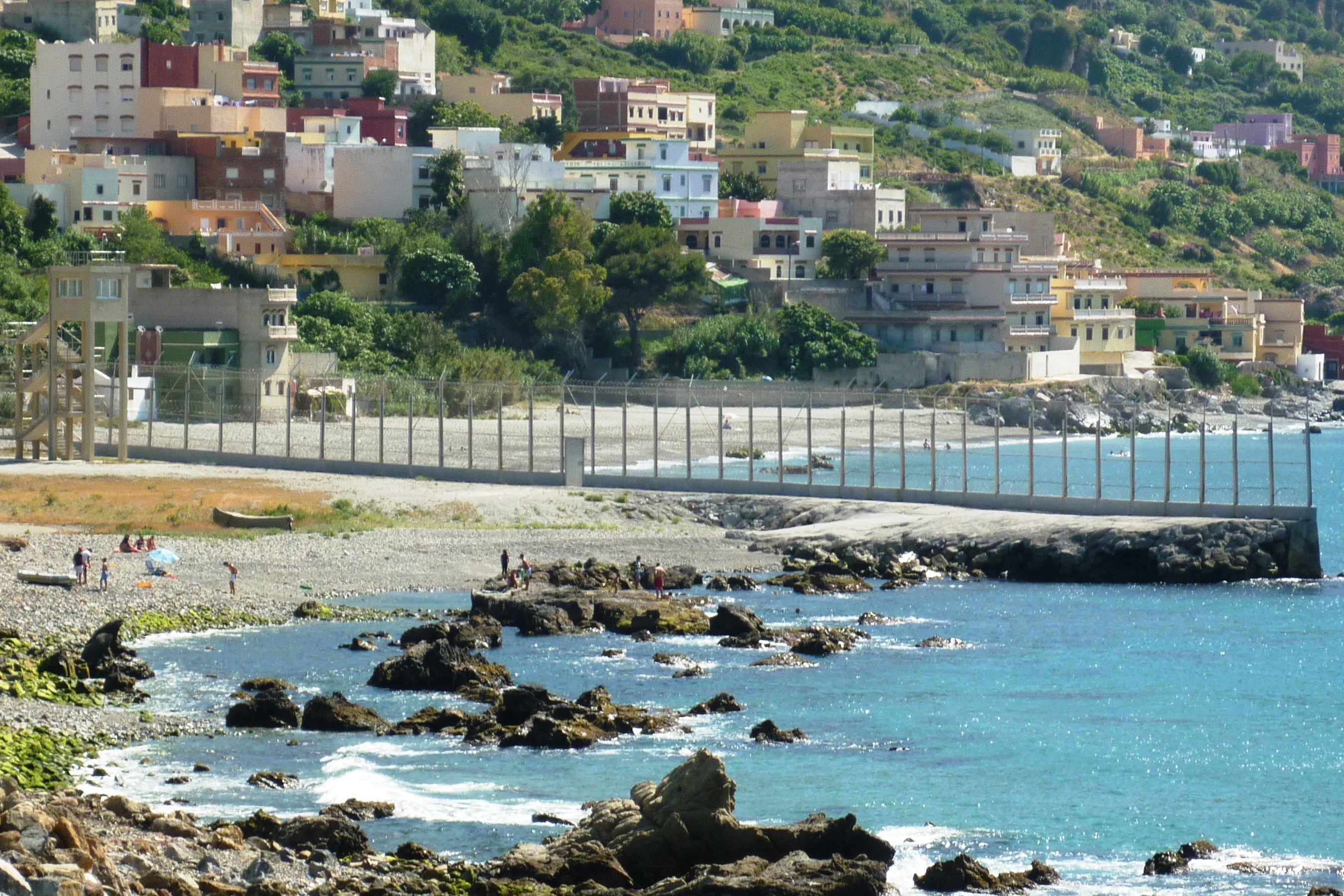
France and Italy have increased border security following a mass influx of migrants into the Spanish enclave of Ceuta late last month [1].
The surge threatens the integrity of the Schengen passport-free area and represents one of the largest migrant crises the European Union has faced in recent years [2].
Approximately 60,000 migrants crossed into Ceuta, which is located on the border with Morocco [1]. The crossing resulted in 67 deaths [3].
In response to the crisis, France has announced tighter border checks at its entry points [2]. Italy has taken more restrictive measures, including a temporary suspension of Schengen free movement for Spain [3].
Border authorities said the measures are necessary to curb the flow of migrants moving through the region. The sudden volume of arrivals has strained resources in the North African enclave and sparked a broader security response across Southern Europe [2].
While some reports focus on general tightening of controls, the suspension of free movement by Italy marks a significant departure from standard EU border protocols [3]. This action effectively reinstates border checks for travelers moving between the two nations, a move typically reserved for extreme security threats or public health emergencies.
Officials said the situation in Ceuta has created a ripple effect, forcing neighboring countries to preemptively secure their borders to prevent similar surges [1].
“Approximately 60,000 migrants crossed into Ceuta”
The suspension of the Schengen agreement by Italy suggests a breakdown in regional cooperation regarding migration management. By reinstating border checks, EU member states are prioritizing national security over the principle of open borders, which could lead to a long-term erosion of the passport-free travel zone if other nations follow suit.


