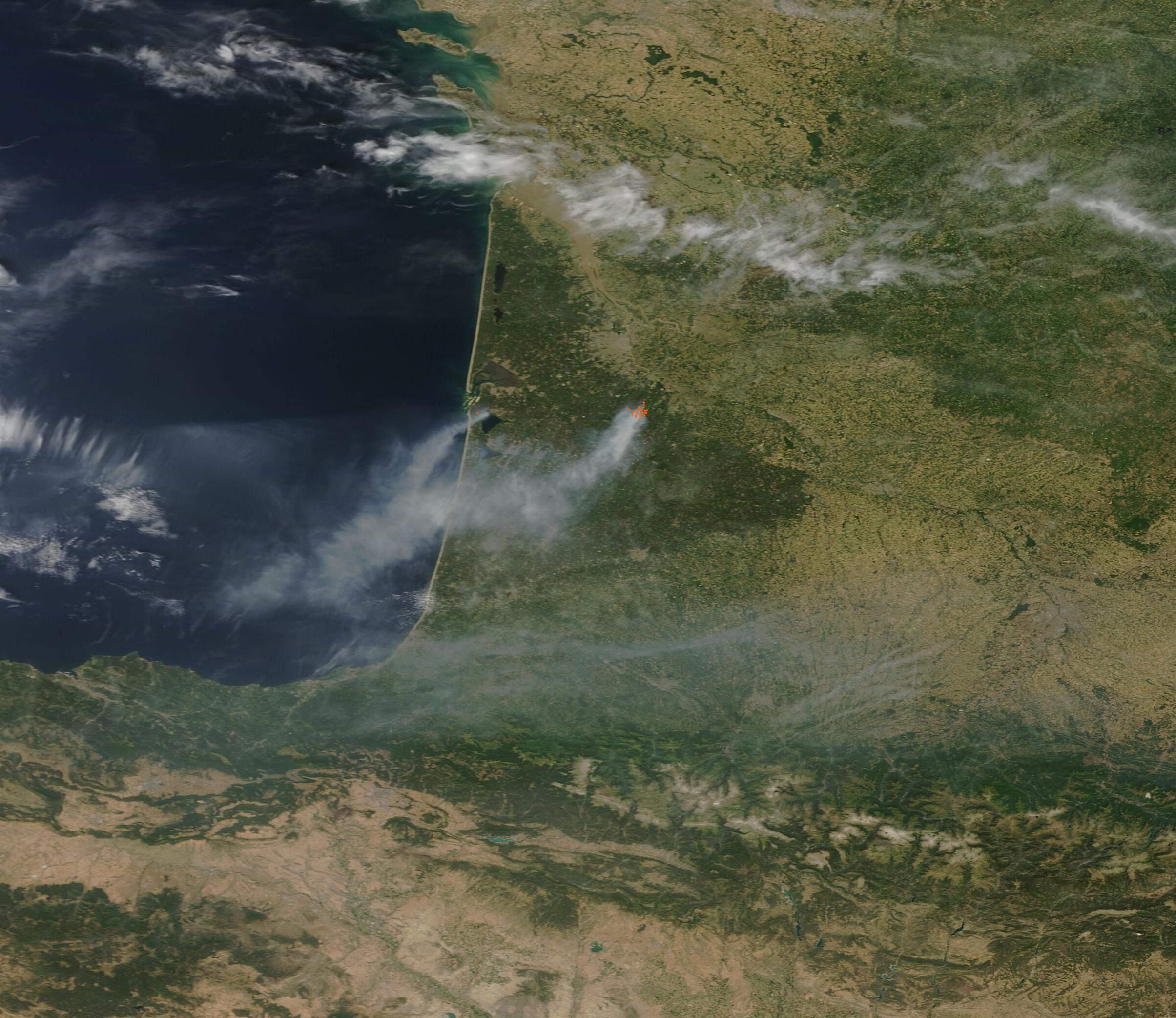
A French animal shelter is rescuing wildlife from raging wildfires and urging global action to combat climate change [1, 2].
The efforts highlight the increasing vulnerability of local fauna as extreme weather events intensify. This intersection of wildlife rescue and environmental advocacy underscores the immediate physical toll of global warming on biodiversity.
Shelter workers are operating in wildfire-affected areas of France to protect animals displaced by the flames [1, 2]. The organization is focusing its resources on saving species that cannot escape the fast-moving fires on their own.
Beyond immediate rescue operations, the shelter is using the current crisis to call for systemic changes. The group said that stronger climate-change action is necessary to prevent these types of disasters from becoming routine [1, 2].
Wildlife rescue teams often face dangerous conditions when entering burn zones to locate survivors. These operations require specialized equipment to treat smoke inhalation and severe burns in animals of various species [1, 2].
The shelter said that the frequency and intensity of these fires are linked to broader environmental shifts. By linking animal welfare to climate policy, the organization aims to shift public perception toward more aggressive conservation and emissions targets [1, 2].
Local authorities continue to monitor the affected regions as fire crews work to contain the blazes. The shelter remains on high alert to receive and rehabilitate injured animals brought in from the field [1, 2].
“A French animal shelter is rescuing wildlife from raging wildfires.”
The transition of animal shelters from local care facilities to climate advocates reflects a growing trend where frontline responders link immediate disasters to long-term environmental degradation. As wildfires increase in frequency across Europe, the burden on wildlife rehabilitation centers will likely grow, necessitating more sustainable land management and systemic climate mitigation.


