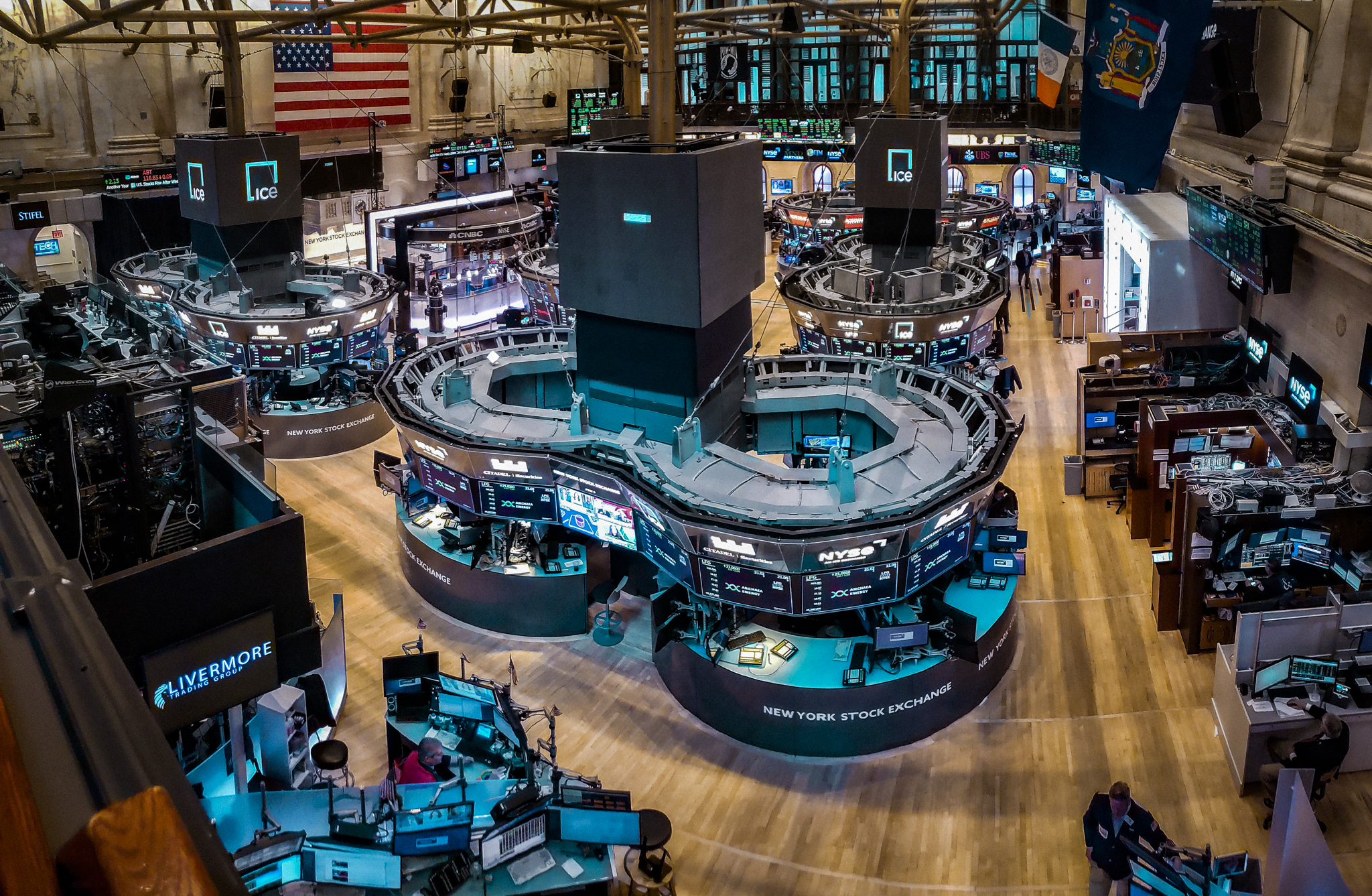
Global equity markets experienced a volatile first quarter of 2024 characterized by a divide between AI-driven growth and broader instability [1].
This divergence matters because it reveals a growing gap between a few high-performing technology giants and the rest of the market. While some investors see a "blockbuster" period, others point to systemic struggles that have shifted capital toward private equity and dividend-paying assets.
Brian Sozzi said the period was a blockbuster quarter for markets, though he noted that "Mag 7 stocks lagging behind" created an uneven landscape [3]. This optimism contrasts with reports that global markets struggled during Q1 2024 [1], creating an environment where private equity firms were able to pounce on available opportunities [1].
Much of the positive momentum centered on the artificial intelligence sector. Dan Ives said Nvidia's Q3 2024 earnings were "jaw dropping" [2]. Ives said, "This is not an AI bubble," suggesting that the growth is backed by fundamental shifts in technology [2].
Despite the success of specific high-profile companies, the broader market remained chaotic. Some investors sought refuge in specific dividend stocks to provide stability amidst the turbulence [4]. The disparity suggests that while the "fourth revolution" of AI is driving record numbers for a handful of firms, the average equity may not be benefiting from the same tailwinds.
Market analysts continue to debate whether the current trajectory is sustainable. The tension between the record-breaking earnings of AI leaders and the struggle of wider global indices highlights a fragmented recovery. While private equity activity surged in Q1 2024 [1], the public markets faced a more complex set of headwinds.
“"This is not an AI bubble"”
The conflict between 'blockbuster' descriptions and reports of market struggle suggests a high level of concentration risk. When a small group of stocks, such as the Magnificent Seven, drives the majority of market gains, the overall indices may appear healthy while the median company struggles. This environment typically leads investors to diversify into private equity or dividend stocks to hedge against a potential correction in high-valuation tech assets.