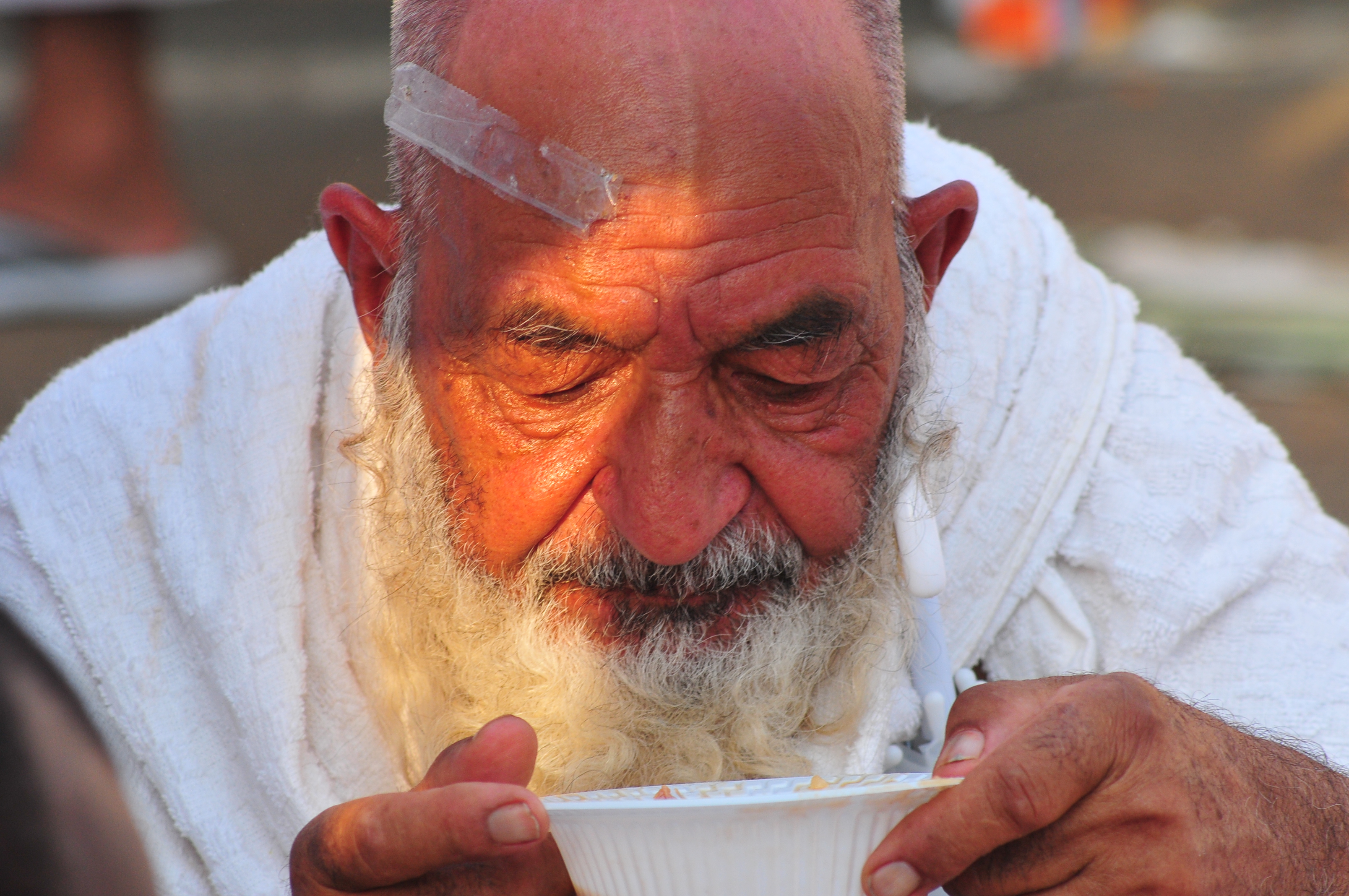
More than two million Muslims gathered at Mount Arafat near Mecca to observe the Day of Arafah [1].
This event represents the spiritual climax of the Hajj pilgrimage. It is a mandatory rite that commemorates the Prophet Muhammad’s Farewell Sermon and provides pilgrims a dedicated time to seek divine mercy and forgiveness [2].
The gathering took place on June 5, 2026 [2], which corresponds to 9 Dhu al-Hijjah in the Islamic calendar. Pilgrims traveled to the plain of Arafat to engage in prayer and reflection, fulfilling one of the central pillars of the faith.
“The Day of Arafah is the most important day of the Hajj, where pilgrims gather at the plain of Arafat to pray and seek forgiveness,” said Saudi Arabia’s Ministry of Hajj and Umrah [2].
The scale of the event required significant coordination to manage the millions of believers arriving from across the globe. The gathering at Jabal Arafat serves as a moment of collective devotion, a physical and spiritual assembly of the Ummah.
“We are witnessing millions of Muslims from around the world standing together on Arafat, fulfilling a pillar of Islam,” said Dr. Abdullah Al-Saeed, a religious scholar [1].
For many participants, the day is characterized by intense prayer and the hope of spiritual renewal. The rites performed at Mount Arafat are considered essential for the completion of the Hajj journey, without which the pilgrimage is not considered valid.
““The Day of Arafah is the most important day of the Hajj,” said Saudi Arabia’s Ministry of Hajj and Umrah.”
The Day of Arafah is the most critical theological component of the Hajj. Because it is a mandatory requirement for the pilgrimage's validity, the massive concentration of people in a single geographic location creates significant logistical and public health challenges for Saudi Arabian authorities each year.