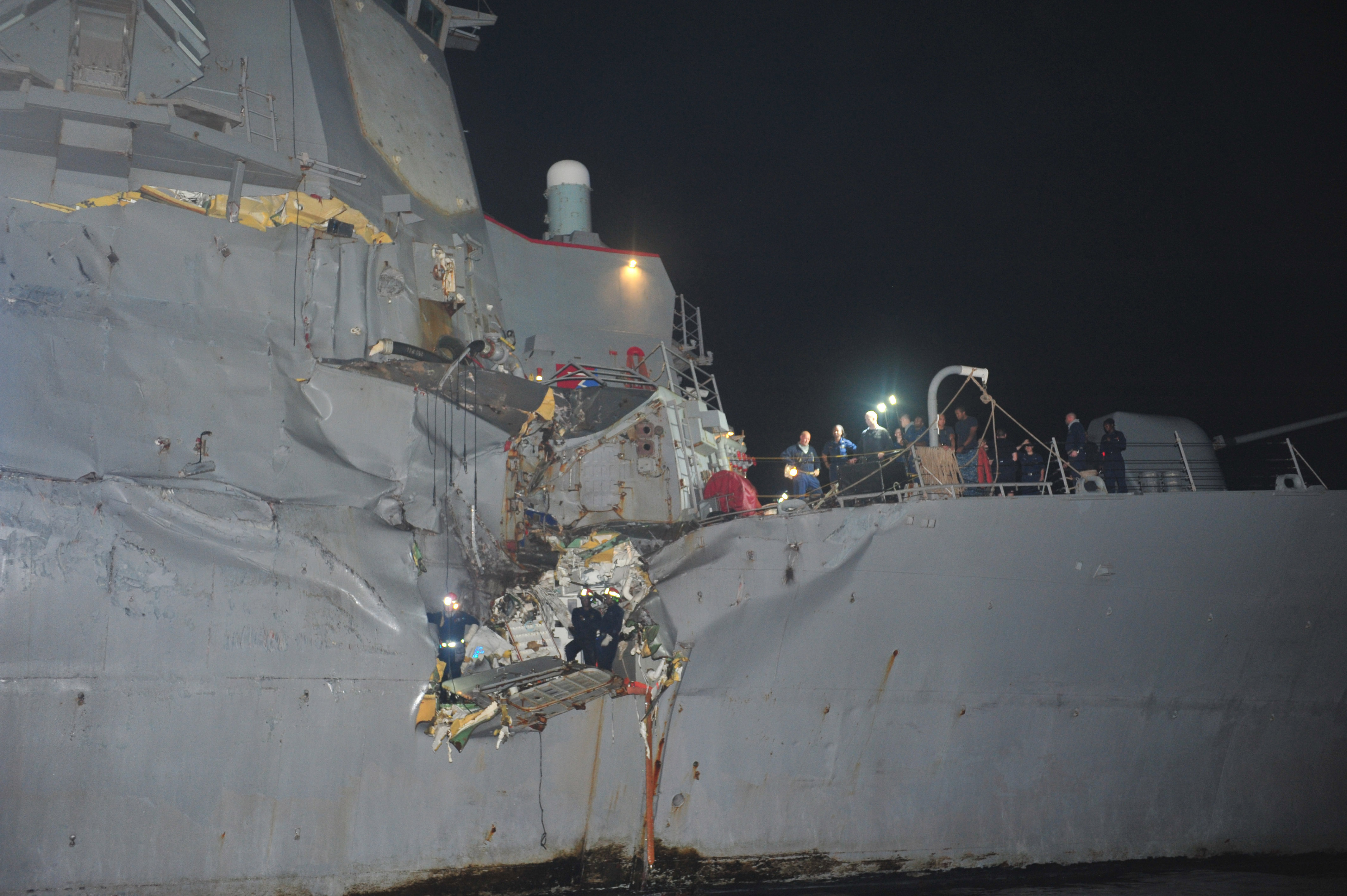
Renewed attacks and violence in and around the Strait of Hormuz have stalled technical diplomatic talks between the United States and Iran.
These disruptions threaten global energy security and stability in the Gulf region, as the world's most critical oil transit chokepoint becomes a flashpoint for military posturing. The failure of these talks suggests a widening gap between the diplomatic goals of the U.S. and the ideological demands of Iranian hard-liners.
Abeer Abu Omar of Bloomberg Television said that renewed attacks in and around the Strait of Hormuz have undermined fragile diplomatic efforts. These tensions follow a period of instability that began earlier this year, with market reports indicating that talks had already begun to falter as early as April 27 [1].
The diplomatic deadlock is fueled by resistance from hard-line factions within Iran and a lack of consensus within the U.S. government. While technical discussions have taken place in Washington, D.C., and Tehran, military action has frequently overshadowed the negotiating table. Reports from July 1 [2] indicate that U.S. forces carried out strikes on a naval base in the Strait of Hormuz.
Despite these strikes, President Donald Trump (R-FL) announced a move toward de-escalation. "I am extending the ceasefire with Iran indefinitely," Trump said.
Tehran has not mirrored this sentiment of restraint. Abbas Araghchi said that Iran remains ready to resume direct military conflict with the United States. This readiness highlights the internal pressure from Iranian factions that view diplomacy as a concession to U.S. policy.
Gulf allies, including Saudi Arabia, and the United Arab Emirates, continue to monitor the situation closely as the region oscillates between a formal ceasefire and active combat operations. The volatility persists despite the indefinite extension of the truce by the U.S. presidency.
“"Iran remains ready to resume direct military conflict with the United States."”
The contradictory nature of U.S. policy—simultaneously conducting naval strikes and extending an indefinite ceasefire—creates a volatile environment where miscalculation is likely. With Iranian hard-liners openly preparing for military conflict, the technical talks are unlikely to yield a comprehensive agreement unless there is a fundamental shift in Tehran's internal power dynamics or a more consistent strategic approach from Washington.


