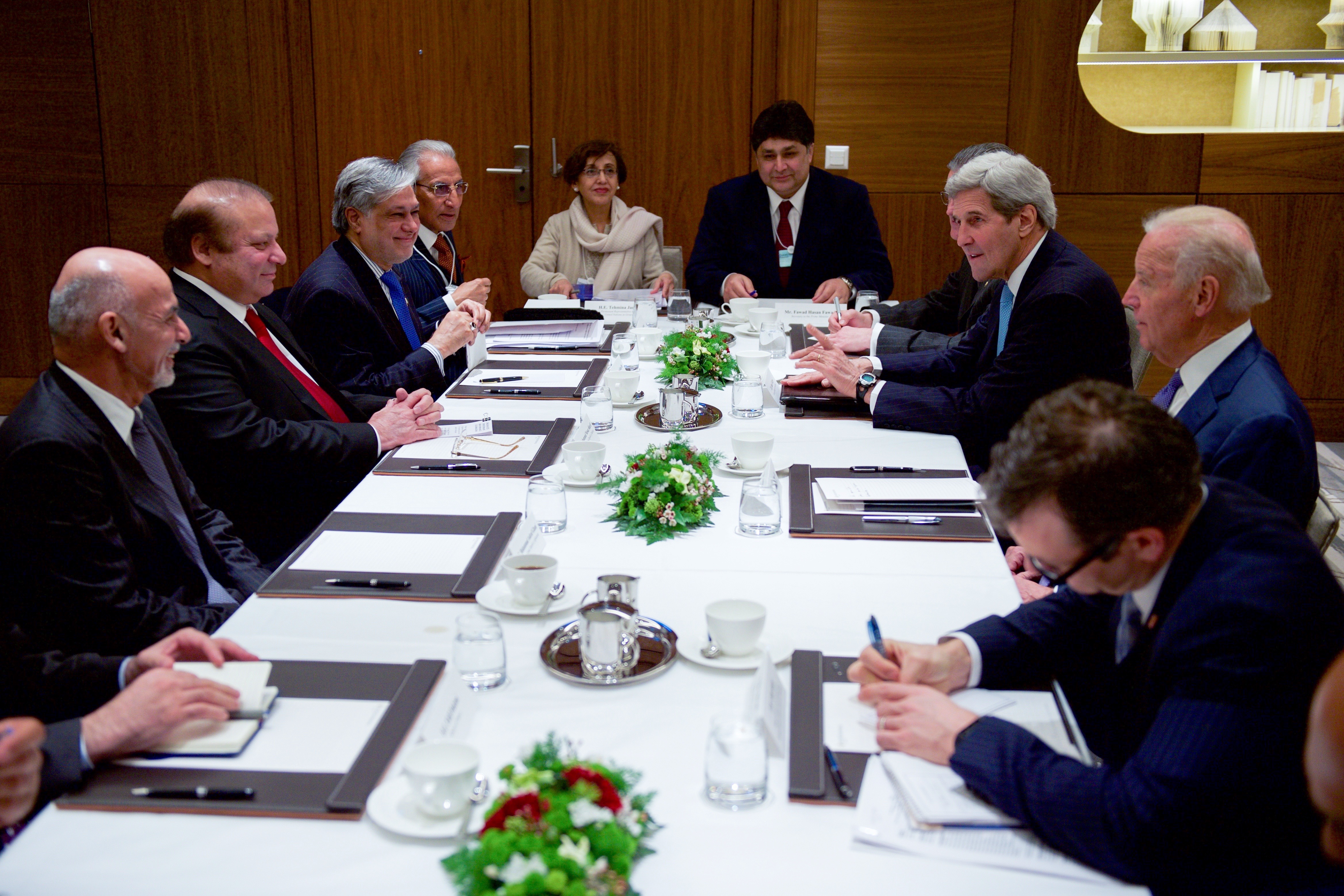
The International Monetary Fund will vet Pakistan's new automobile policy before the federal cabinet grants final approval [1].
This consultation marks a significant shift in how Pakistan manages its industrial protections. By allowing the IMF to review the policy, the government acknowledges the lender's influence over domestic economic reforms intended to stabilize the national economy.
The IMF is pushing for the automobile sector to become more accessible to foreign players [1]. The goal is to dismantle existing barriers that have historically protected local manufacturers from international competition. This move is part of a broader economic reform program designed to attract foreign direct investment and modernize the country's industrial base.
A primary objective of the review is the reduction of import costs. The IMF is seeking to lower the net weighted average tariff on automobiles to single-digit percentages [1]. Currently, higher tariffs have been used to encourage local assembly, but the lender said these protections hinder market efficiency and keep vehicle prices high for consumers.
The federal cabinet will wait for the IMF's feedback before formalizing the policy [1]. This sequence ensures that the new regulations align with the conditions of Pakistan's current financial agreements with the organization. The resulting policy is expected to prioritize a more open market, one that favors global competition over domestic monopolies.
Officials have not yet released a specific timeline for the cabinet's final vote, but the consultation process is already underway [1]. The transition to a single-digit tariff regime would represent one of the most aggressive shifts in Pakistan's trade policy in recent years.
“The IMF will vet Pakistan's new automobile policy before the federal cabinet grants final approval.”
This arrangement signals a transition from a protectionist industrial strategy to a liberalized market. By reducing tariffs to below 10%, Pakistan aims to lower the cost of vehicles and invite global manufacturers to enter the market, though this may create short-term pressure on existing domestic assembly plants that rely on high import barriers to remain competitive.


