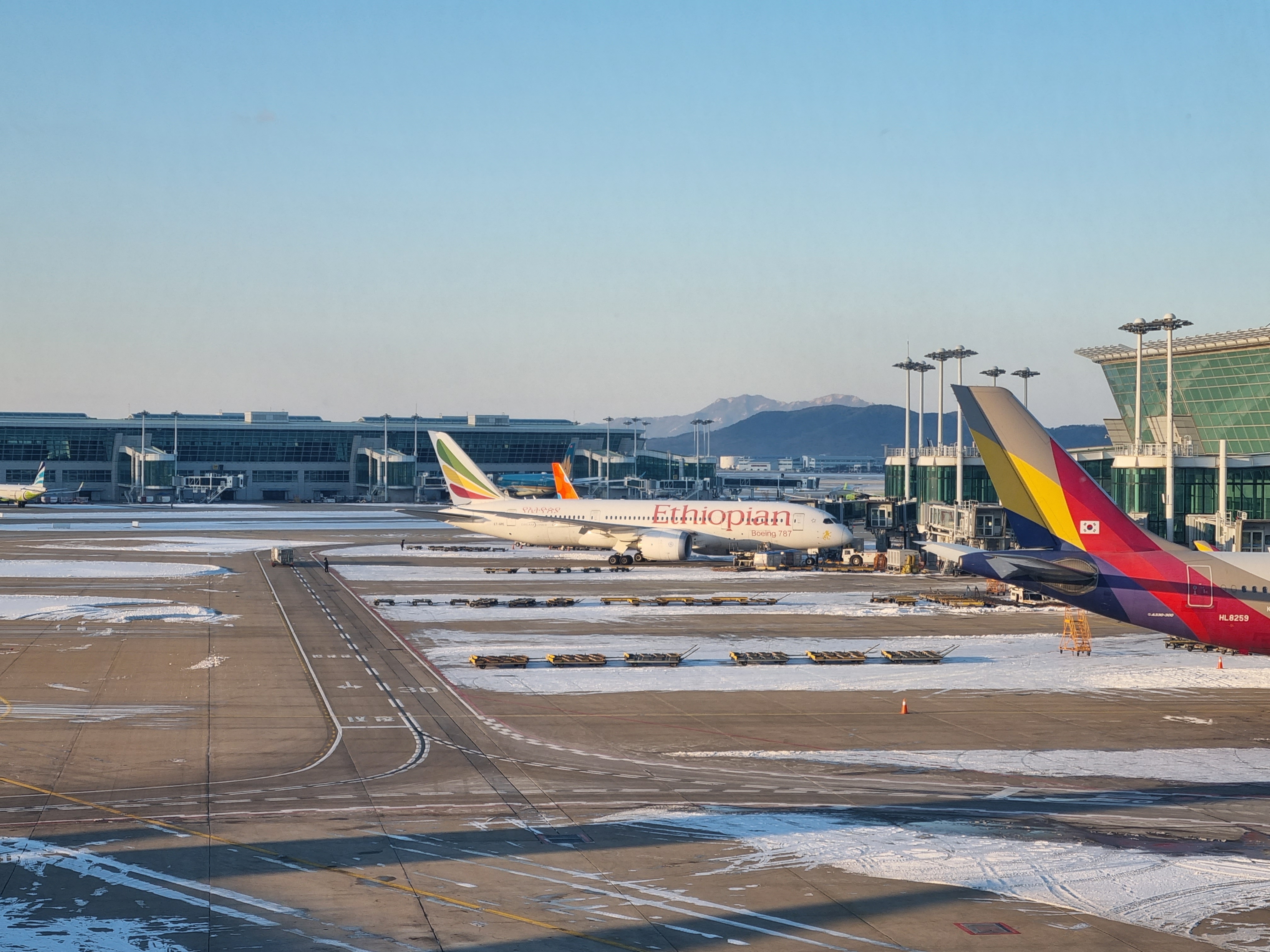
Incheon International Airport has reached a cumulative passenger count of 1 billion [1], the fastest time among the world’s major hub airports.
This milestone underscores South Korea's growing influence as a global transit center and highlights the rapid expansion of international travel in East Asia. The achievement reflects a level of growth that outpaces other established aviation hubs worldwide.
The airport reached the 1 billion passenger mark on a Tuesday [2]. This milestone comes exactly 25 years and three months after the facility first opened its doors in March 2001 [3].
As the primary gateway for South Korea, Incheon has scaled its operations to accommodate an increasing volume of high-density international traffic. The speed at which the airport reached this figure is attributed to its strategic location and the rapid development of regional tourism and trade.
Officials said that the facility's growth trajectory has remained steep since its inception. By hitting the billion-passenger threshold in just over two and a half decades, Incheon has set a new benchmark for efficiency and volume growth for newly established hub airports [1].
The airport continues to serve as a critical piece of infrastructure for the region, connecting the Korean peninsula to the rest of the world through a high-capacity network of flights and terminals.
“Incheon International Airport has reached a cumulative passenger count of 1 billion”
The record-breaking pace of Incheon's growth signals a shift in aviation dominance toward East Asian hubs. By surpassing other global gateways in the time taken to reach 1 billion passengers, South Korea demonstrates a successful integration of infrastructure scaling and international demand, positioning itself as a primary competitor to traditional hubs in Europe and North America.


