
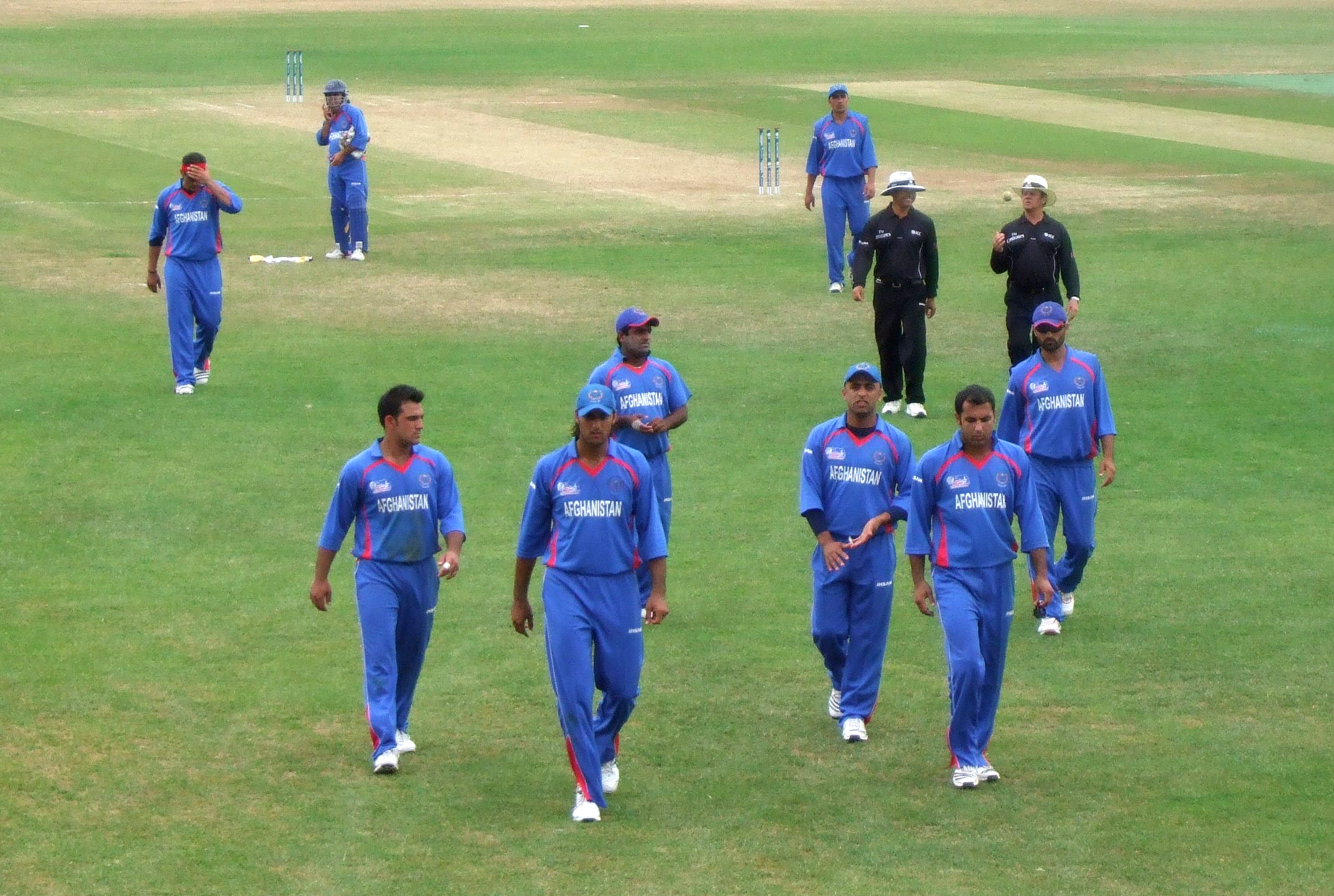
Afghanistan A defeated India A by four runs [5] in the second match of the Tri-Nation A Series in Sri Lanka this week.
The result highlights the volatility of rain-affected matches and the impact of the Duckworth-Lewis-Stern (DLS) method on high-scoring games. While India A dominated the first innings, the weather reduced the target, shifting the momentum in favor of the Afghan side.
India A posted a total of 349/9 [3] during their innings. The effort was led by Prabhsimran Singh, who scored 84 runs [1]. Singh provided a steady anchoring performance that allowed the team to pile up a significant score before the rain intervened.
Opening partner Vaibhav Sooryavanshi, who is 15 years old, contributed 44 runs [2] to the total. Other players, including Tilak Varma and Ruturaj Gaikwad, also scored fifties during the innings.
Rain interrupted the play, leading officials to apply the DLS method to determine a revised target [6]. This adjustment reduced the amount of runs Afghanistan A needed to secure a victory. The revised target was set at 294 runs [4].
Afghanistan A successfully chased the adjusted total, winning the match by four runs [5]. The narrow margin of victory underscores how the DLS calculation can drastically alter the outcome of a match, even when one team has a substantial lead in the original total.
“Afghanistan A defeated India A by four runs”
This match demonstrates the significant influence of the DLS method in limited-overs cricket, where weather interruptions can neutralize a dominant batting performance. For India A, the loss reflects a failure to defend a revised target despite scoring over 340 runs, while for Afghanistan A, it marks a strategic victory in a competitive tri-series environment.


