
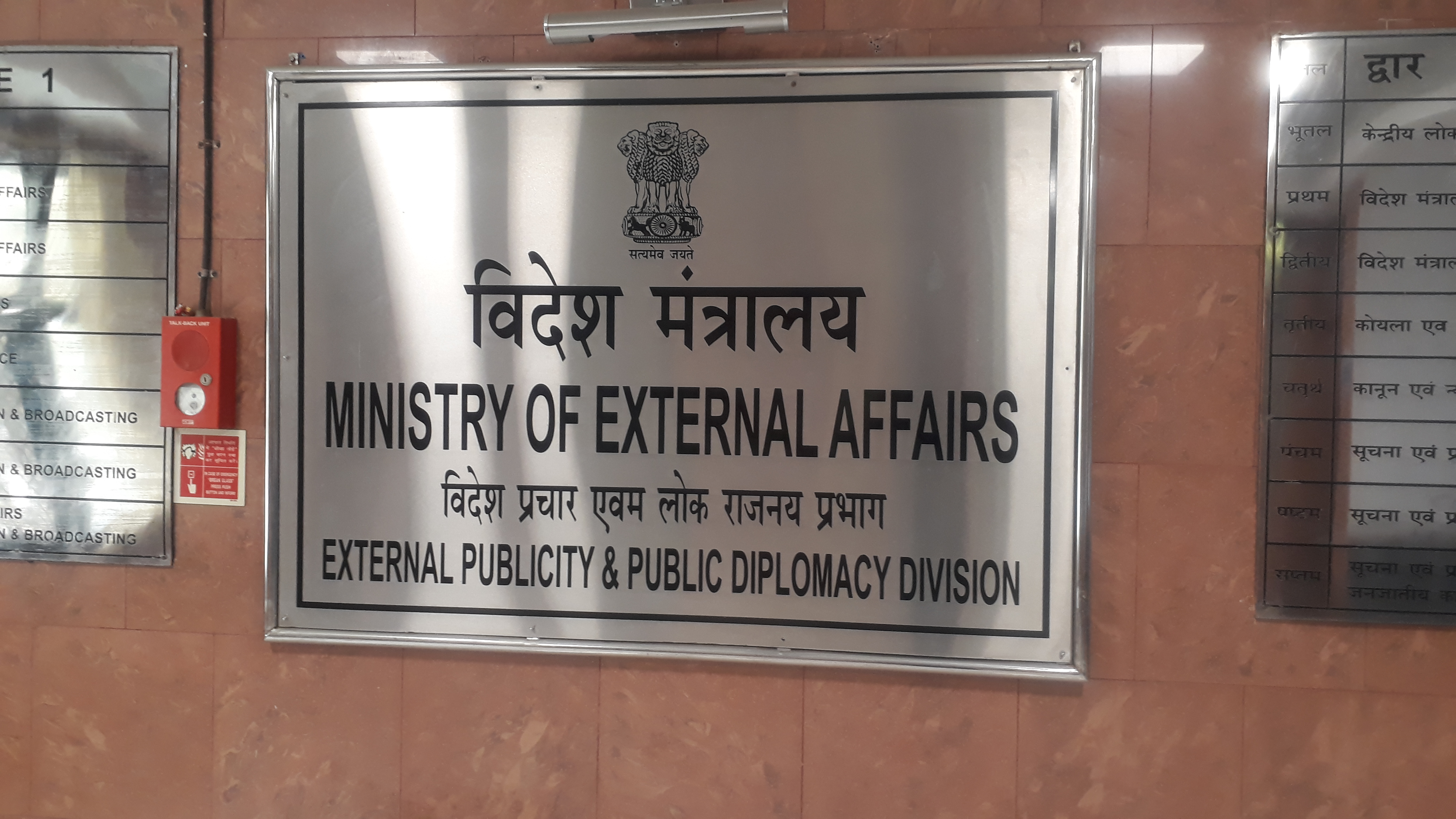
India has reiterated its commitment to address river-related issues with Bangladesh through established bilateral mechanisms and the Joint Rivers Commission.
This diplomatic stance is critical as both nations seek to resolve long-standing water-sharing and river-management disputes to ensure shared prosperity. Effective cooperation on these waterways is essential for agricultural stability, and environmental conservation in the region.
Randhir Jaiswal, a spokesperson for the Ministry of External Affairs, said that India and Bangladesh share 54 rivers [1]. He said that the two countries already have a Joint Rivers Commission in place to manage matters concerning these waterways [1].
The commitment to bilateral dialogue comes amid ongoing efforts to improve connectivity between the two neighbors. This includes the inauguration of a permanent jetty on the India-Bangladesh river route in Tripura [2]. Such infrastructure projects aim to facilitate trade and movement across the shared borders.
Water-sharing remains a sensitive point of contention, particularly regarding the Teesta river issue [3]. India said that it intends to resolve these disputes through the existing framework of the Joint Rivers Commission, which provides a structured environment for technical and political negotiations.
By focusing on these established mechanisms, India aims to maintain regional stability while addressing the specific needs of riverine communities. The focus remains on utilizing diplomatic channels to prevent escalation and promote mutual economic growth through improved water management [1], [3].
“India and Bangladesh share 54 rivers and already have a Joint Rivers Commission in place to manage matters concerning these waterways.”
The reliance on the Joint Rivers Commission indicates that India prefers a technical, incremental approach to water diplomacy rather than a sweeping new treaty. By pairing these diplomatic assurances with physical infrastructure projects like the Tripura jetty, India is attempting to balance high-level political disputes with tangible economic cooperation to stabilize the bilateral relationship.

![Mamata Banerjee (Bengali: মমতা বন্দ্যোপাধ্যায়; Hindi: ममता बनर्जी, pronounced [mɔːmoːt̪ʰaː bɛːnaːrjiː]; born 5 January 1955) is the 11th and current chief minister of the Indian state of West Bengal.](https://upload.wikimedia.org/wikipedia/commons/9/96/Mamata_Banerjee_-_Kolkata_2011-12-08_7536.JPG)

