
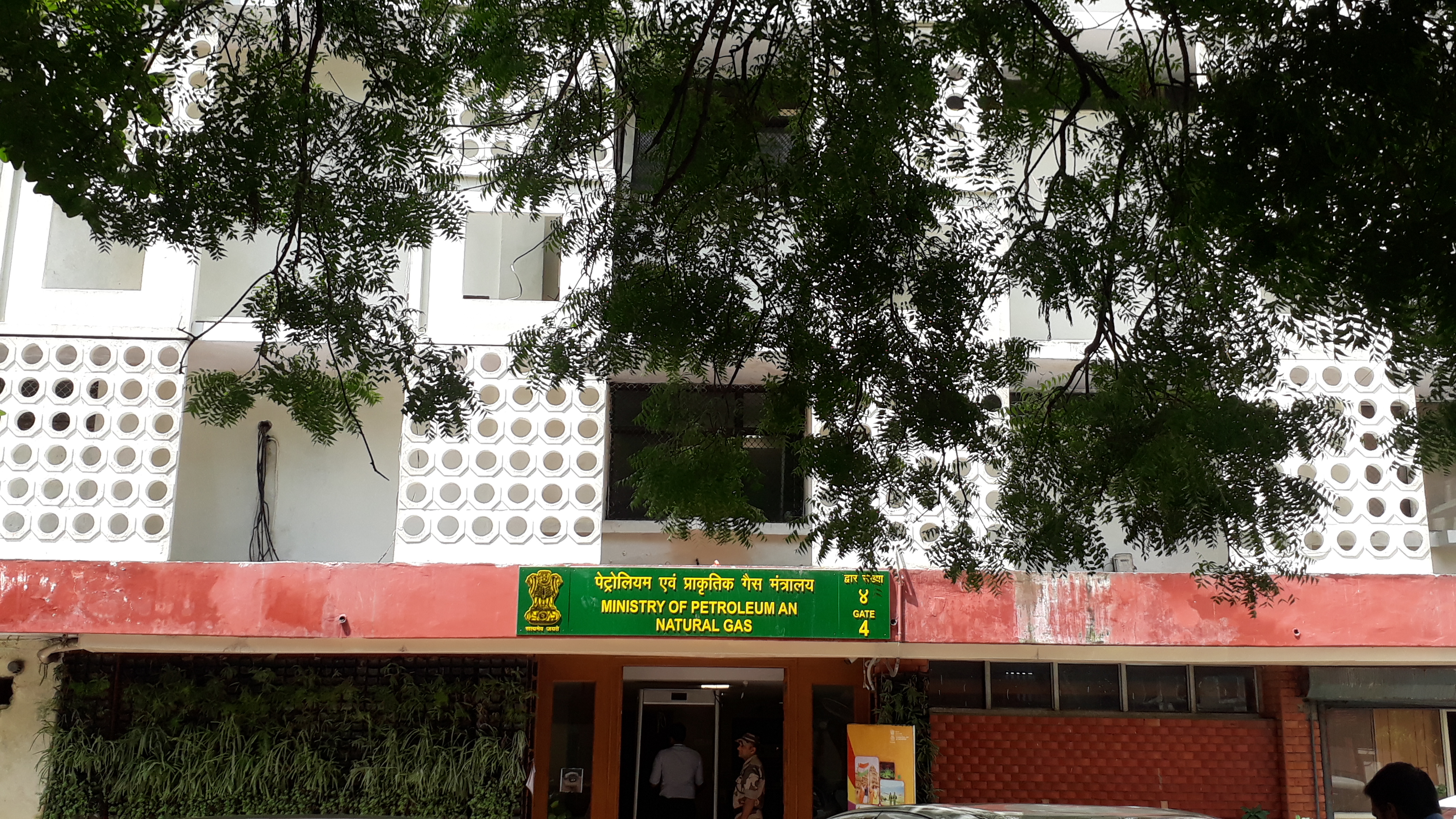
The Indian government has denied plans to increase petrol and diesel prices, calling viral reports of imminent hikes mischievous and misleading [1].
These denials come amid political tension and public speculation that fuel costs would rise following assembly elections in the state of Bengal. Because fuel pricing is a sensitive economic issue, such claims can mobilize public sentiment and influence political campaigns.
Viral reports circulated in late April 2026 suggesting that prices would rise by Rs 25-28 per litre [1]. Other claims indicated a smaller increase of Rs 10 for petrol and Rs 12.50 for diesel [3]. Some reports even suggested a specific hike of almost Rs six per litre for diesel [4].
"We are not considering any hike in petrol or diesel prices," a spokesperson for the Ministry of Petroleum and Natural Gas said [1].
The ministry used its official X account to deny reports suggesting that prices would be hiked soon after assembly elections, stating there is no such proposal under consideration [2]. Additionally, the Press Information Bureau (PIB) conducted a fact-check on the claim regarding the Rs 10 and Rs 12.50 increases and found no such order had been issued [3].
These rumors surfaced while international oil prices reached $110 per barrel [5]. Despite this global trend, the government maintained its position against domestic price increases. A government source said that India is the only country where petrol and diesel prices have not increased in the last four years [1].
Trinamool Congress (TMC) leaders had reportedly launched campaigns to "save petrol" based on the speculation of these hikes [3]. The government's repeated denials aim to stabilize the market, and counter political narratives that suggest post-election price surges are inevitable.
“"We are not considering any hike in petrol or diesel prices."”
The clash between government denials and viral price predictions highlights the volatility of fuel pricing as a political tool in India. By explicitly refuting these claims during a sensitive post-election window, the Ministry of Petroleum and Natural Gas is attempting to prevent public unrest and neutralize the political leverage being sought by opposition parties like the TMC.


