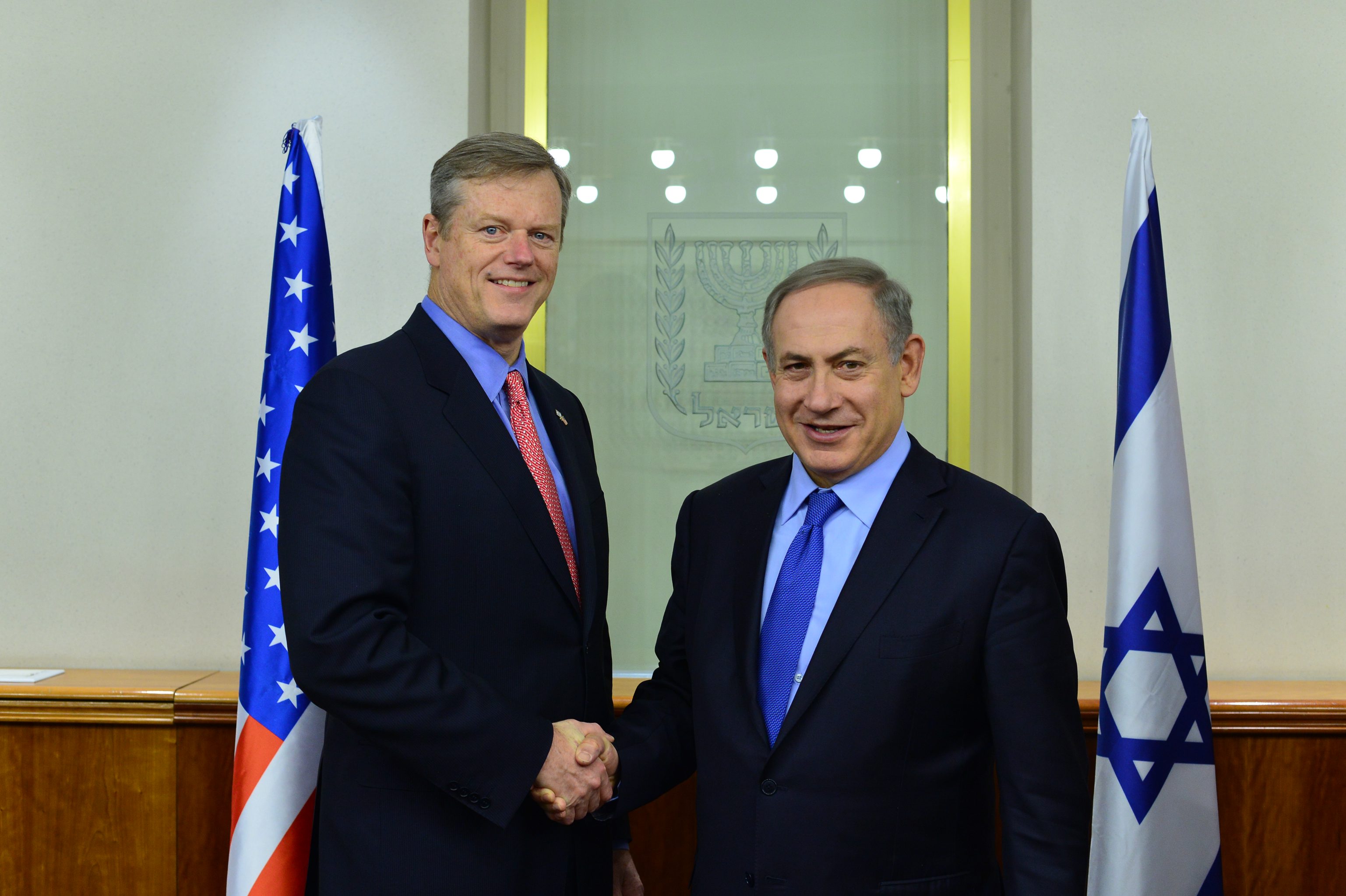
Japanese Prime Minister Sanae Takaichi and Indian Prime Minister Narendra Modi signed a Memorandum of Cooperation in New Delhi to deepen bilateral trade and strategic ties [1, 2].
The agreement strengthens the strategic partnership between two major Asian economies seeking to promote a free and prosperous Indo-Pacific region. By aligning investment and technological goals, the pact aims to reduce dependency on singular supply chains and accelerate digital transformation in both nations.
The leaders met at the Rashtrapati Bhavan during the 16th Annual Summit [1]. As part of the agreement, the two nations committed to a $10 billion investment [1]. This funding is designed to stimulate growth across strategic sectors, including innovation, and energy security [1, 2].
Artificial Intelligence cooperation serves as a central pillar of the new memorandum [1]. The pact seeks to leverage Japanese technology and Indian software expertise to boost AI development and implementation [1, 2].
Takaichi praised the vision of Modi during the proceedings [2]. The leaders said the importance of maintaining a strategic partnership to ensure regional stability and economic resilience [2].
The Memorandum of Cooperation covers a broad range of interests beyond financial investment. It specifically targets innovation and energy security to ensure that both nations can maintain critical infrastructure against global volatility [1, 2]. This comprehensive approach reflects a shared interest in balancing power dynamics within the Indo-Pacific region.
“India and Japan signed a $10 billion Memorandum of Cooperation.”
This agreement signals a deepening of the 'Special Strategic and Global Partnership' between India and Japan. By committing $10 billion to strategic sectors and AI, both nations are positioning themselves as a technological and economic counterweight in the Indo-Pacific, focusing on energy independence and digital infrastructure to ensure long-term regional stability.