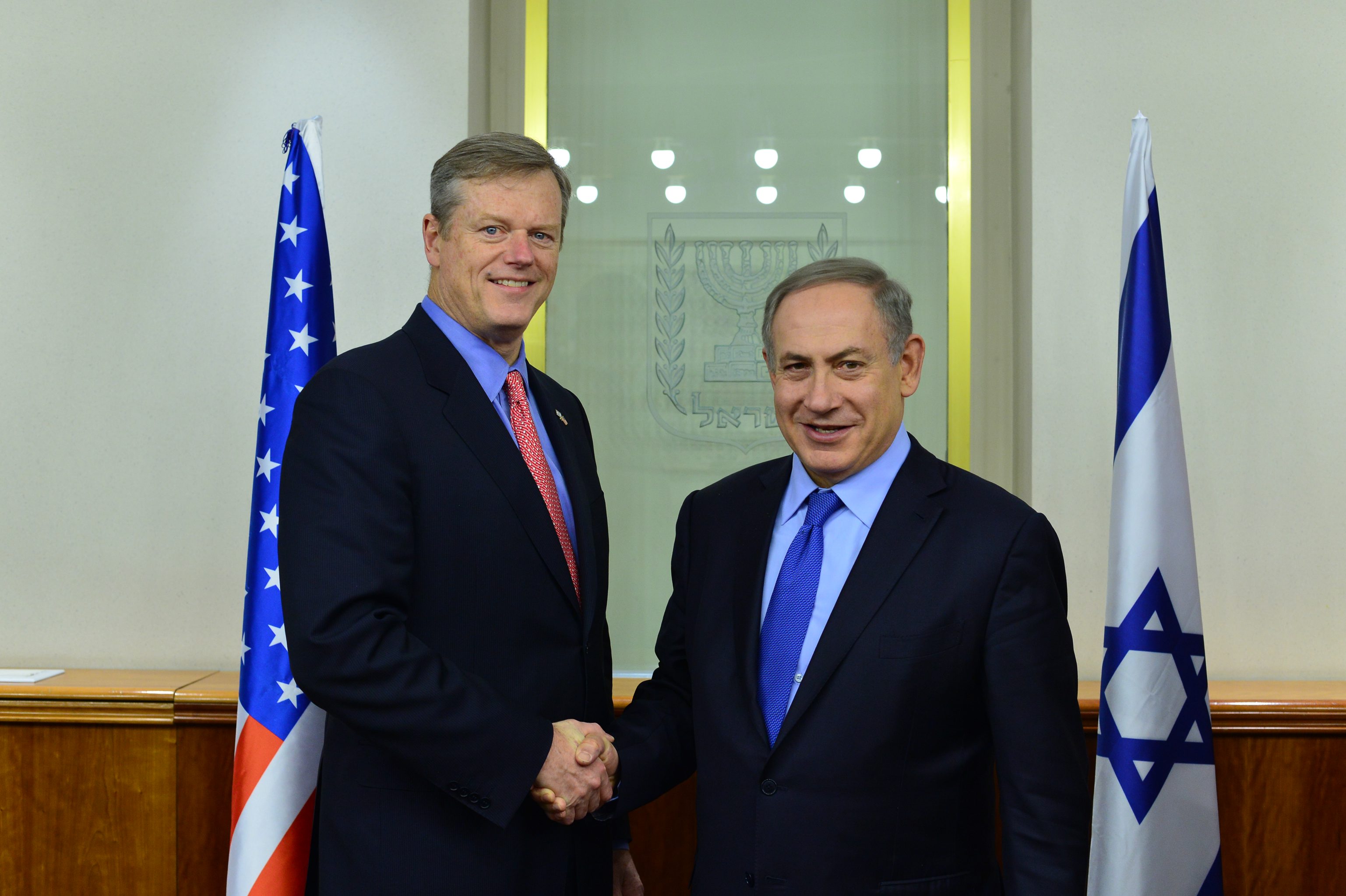
Indian Prime Minister Narendra Modi and Japanese Prime Minister Sanae Takaichi met Thursday at Hyderabad House in New Delhi to strengthen bilateral ties [1], [2].
The summit signals a deepening of the Special Strategic and Global Partnership between the two nations. By aligning on artificial intelligence and resilient supply chains, India and Japan aim to create a coordinated economic front in the Indo-Pacific region [3], [5].
The meeting served as the 16th India-Japan Annual Summit [1]. During the talks, the two leaders signed several agreements focusing on artificial intelligence, energy, and critical minerals [3]. These pacts are part of a broader effort to expand cooperation in defense and trade to ensure regional stability [3], [5].
As part of the diplomatic engagement, the leaders attended the India-Japan Business Forum [1]. This event highlighted a multi-billion-dollar bilateral roadmap designed to stimulate investment and industrial growth across both countries [2]. The roadmap emphasizes the creation of secure supply chains for essential materials, and energy resources [3], [5].
Prime Minister Takaichi's visit to India is a three-day official trip [1]. The discussions in New Delhi focused on the integration of emerging technologies and the strategic importance of critical minerals for the transition to green energy [3], [5].
Both leaders discussed the necessity of a joint approach to AI governance and the development of high-tech infrastructure [3]. The agreements reached during the summit are intended to solidify the economic bond between New Delhi and Tokyo while addressing shared security concerns in the region [3], [5].
“India and Japan sign pacts on AI, metals, and energy.”
The collaboration between India and Japan on critical minerals and AI represents a strategic move to reduce dependence on single-source supply chains, particularly those dominated by China. By formalizing a multi-billion-dollar economic roadmap, both nations are integrating their technological and defense capabilities to maintain a balance of power in the Indo-Pacific.