
India's central government has reduced the number of subsidised Ujjwala LPG refills from nine to four cylinders per financial year [1].
This policy shift impacts millions of low-income households that rely on the Pradhan Mantri Ujjwala Yojana to access clean cooking fuel. By limiting the number of subsidised refills, the government aims to contain subsidy outlays as the cost of liquefied petroleum gas rises.
Under the revised rules, beneficiaries will continue to receive a 300-rupee cashback on the first four cylinders purchased each year [3]. Any refills beyond the four-cylinder limit will be charged at the full market price without government assistance [1].
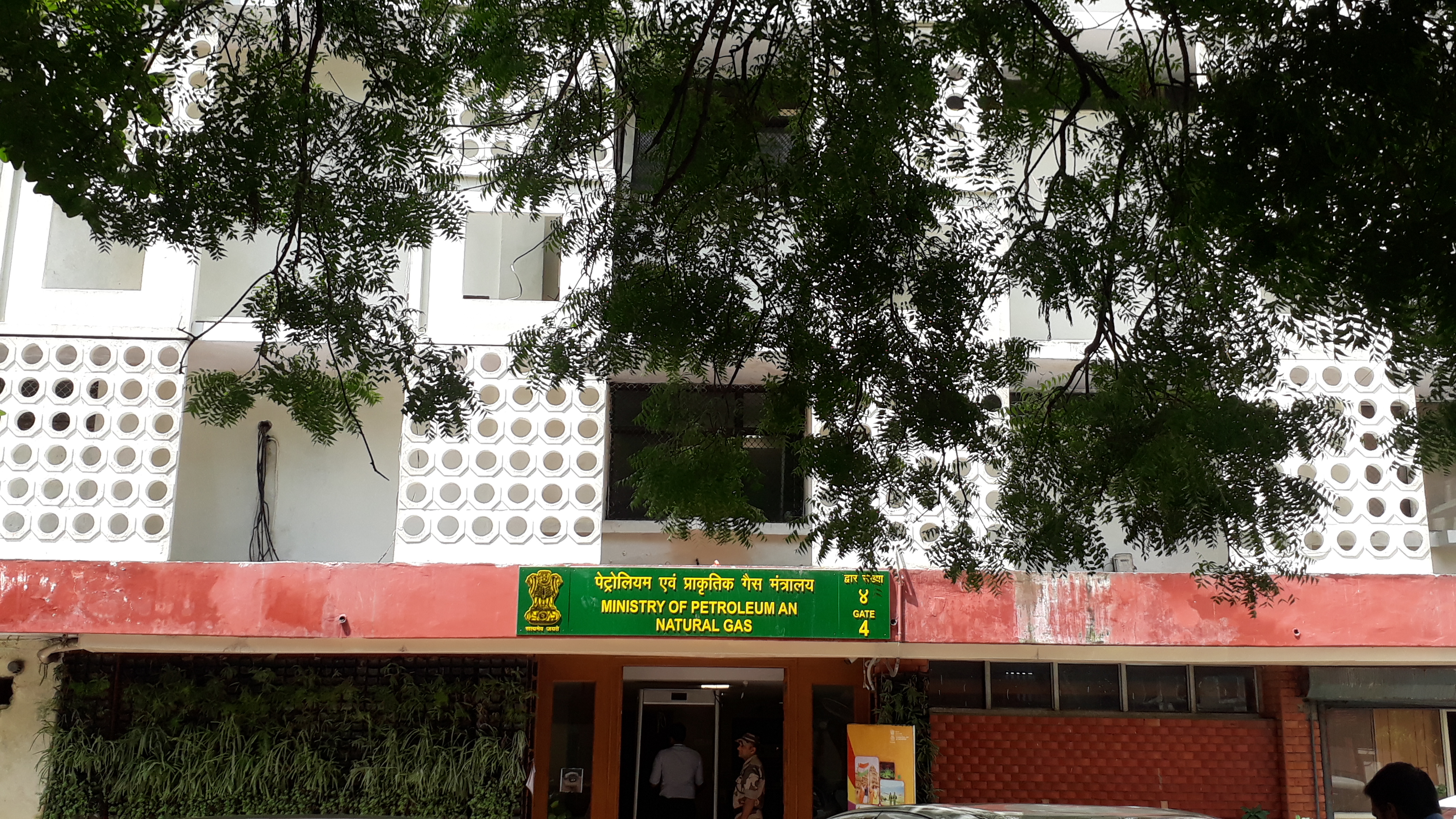
Ministry of Petroleum officials said the decision was linked to a recent increase in LPG prices. Reports on the exact price hike vary, with some sources citing an increase of 29 rupees per 14.2 kg cylinder [1], while other reports indicate a rise of 89 rupees [3].
The Ujjwala scheme has undergone several iterations since its inception. While some records indicate the program previously provided subsidies for nine cylinders annually [1], other data suggests the original framework offered 12 subsidised cylinders per year [3].
The government said the adjustment is necessary to manage the fiscal burden of the subsidy program amid fluctuating global energy costs. This move ensures that the most essential fuel needs are met, while reducing the total expenditure of the state on energy subsidies.
“India's central government has reduced the number of subsidised Ujjwala LPG refills from nine to four cylinders per financial year.”
The reduction in subsidised refills represents a tightening of India's social safety net for energy. By capping the subsidy at four cylinders, the government is shifting more of the cost burden onto the consumer, which may lead some low-income households to return to traditional biomass fuels like wood or charcoal for a portion of their cooking needs.


